

Your cavitation machine decides if clients get a mild redness or a serious burn. Most cavitation side effects are short-term and go away on their own. But poor machine quality makes risks much higher.
Ultrasonic cavitation gives non-invasive fat reduction with real safety when equipment meets standards. Still, non-invasive body sculpting needs careful attention. Each treatment you do has a duty to keep client safety. Patients trust your decisions. Knowing how machine quality affects results protects everyone. Inferior devices miss calibration, cooling systems, and rules oversight. Quality machines give steady energy with proven compliance. Your choice matters more than just technique.
Key Takeaways
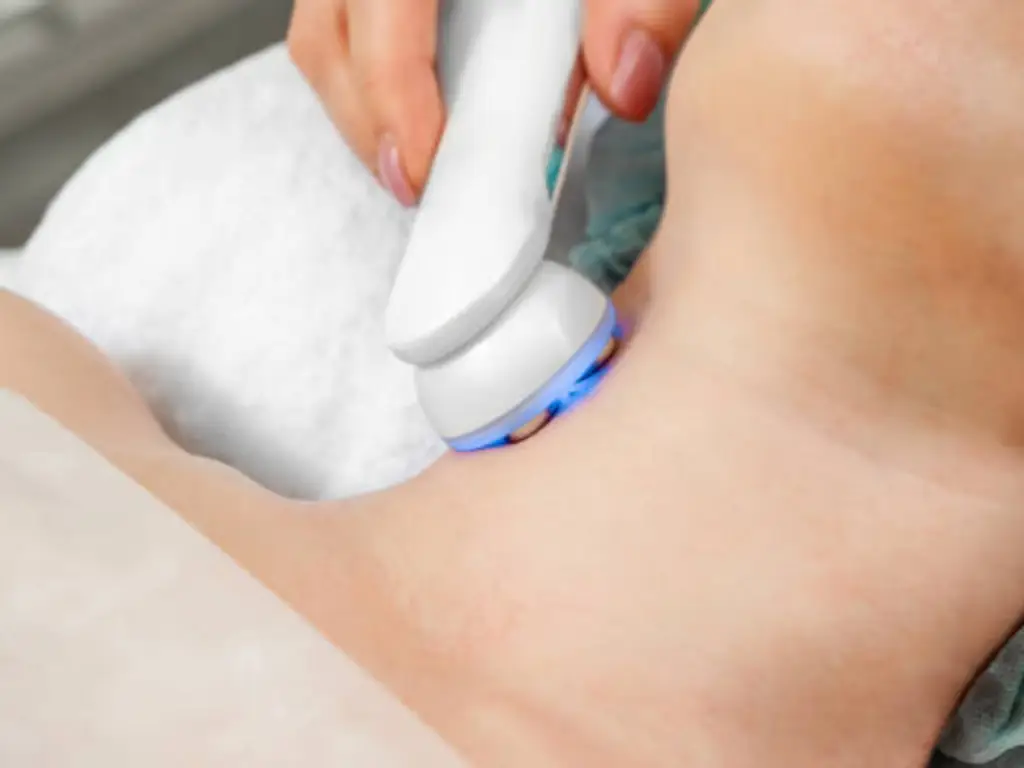
The quality of the machine decides whether clients end up with slight redness or severe burns.
Good machines provide steady energy with proper cooling systems.
Using different frequency choices helps control the treatment depth more exactly, making treatments safer.
Pulsed energy and closed-loop feedback stop the skin from getting too hot and causing burns.
Thorough consultations check for health issues that make the treatment unsafe and help clients know what to expect.
Daily equipment checks and maintenance stop failures during treatments.
Structured operator training helps make sure treatments are safe and give the same results every time.
Cavitation Side Effects and Client Safety
Every body contouring session brings some kind of response. Your clients react in different ways based on tissue type, health status, and equipment quality. Knowing the full range of cavitation side effects helps you tell normal healing apart from real danger. This knowledge directly supports client safety in your daily work. Lowering risks starts with knowing what your machine can and cannot do.
Temporary Reactions vs. Serious Complications
The range of post-treatment responses goes from barely noticeable warmth to severe tissue damage. Most reactions fall into the first group. Your job is to figure out which group each symptom belongs to.
Normal Sensations and Self-Limiting Symptoms
Common side effects show up in nearly every practice. Redness, bruising, and headache are the most often reported responses. Most people also feel warmth in the treated area during the procedure itself. Right after, you might see mild redness, slight swelling, or small bruises at the treatment site. These effects usually stay very mild and go away on their own within a few days to a week.
Some clients get temporary skin texture changes. Lumps, bumps, or valleys on the skin happen when fat doesn’t absorb evenly. These issues appear in some cases, though less often than redness or bruising. Follow-up treatments usually fix these texture problems.
Increased thirst and more frequent urination also happen often. These responses last about 24 hours. Your body handles the released fat content through normal metabolic channels. This is why hydration is so important after every session. Encouraging water intake helps your clients flush processed materials from their systems.
The FDA sees these responses as manageable. The agency says that mechanical injury risk from cavitation gets attention through recommended treatment parameters. These parameters have shown safety with little or no adverse effects when followed correctly.
Red Flags Requiring Immediate Attention
Some symptoms need quick action. Sharp or burning pain during treatment signals immediate overexposure. Blistering or visible burns require urgent medical evaluation. Persistent pain that doesn’t fade within hours needs attention.
Infection signs include fever, pus, or foul odor at the treatment site. These signs appear rarely but need immediate medical care. Unbalanced fat loss results from erratic device motion during treatment. Severe painful blisters or non-healing lesions also need professional assessment. A secondary infection can develop if burns break open and get poor care.
Temporary numbness or tingling goes away within days to two weeks. Mild bruising heals within a couple of days. However, numbness lasting beyond 48 hours or bruising lasting over 7 days needs monitoring. Tenderness similar to post-exercise soreness counts as normal. Puffiness goes down within days to a week.
How Machine Quality Determines Side Effect Severity
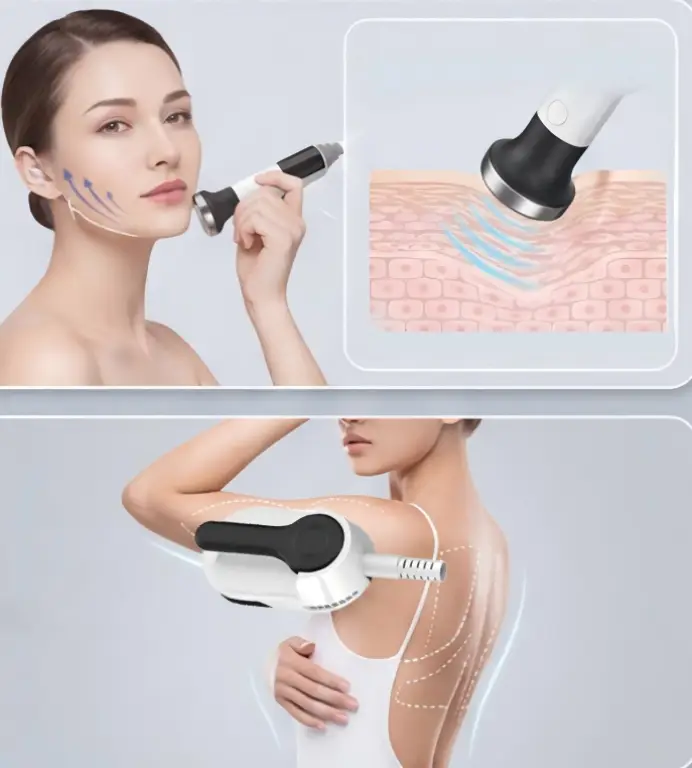
The equipment you choose directly affects which group your clients experience. Quality machines deliver steady energy. Poor devices create unpredictable outcomes. This link between hardware and patient response explains why cavitation side effects vary so much between practices.
Calibrated Energy Delivery and Thermal Control
Quality machines keep precise control over energy output. Calibrated delivery ensures each pulse reaches the intended tissue depth without extra buildup. Thermal control systems watch temperature continuously during treatment. These systems adjust output in real-time to prevent overheating.
Ultrasonic cavitation works through focused sound waves that create tiny bubbles in fat tissue. These bubbles collapse and break fat cell membranes. The released content then processes through normal metabolic pathways. This method allows non-invasive fat reduction without surgery. The whole procedure stays non-invasive when equipment works within design limits.
Quality devices offer multiple frequency options. Different frequencies target different tissue depths. A machine with 30, 40, and 80 kHz settings lets you match treatment exactly to each client’s body. Single-frequency devices force you to use one setting for all tissue types. This limit raises the risk of treating too shallow or too deep.
The Danger of Power Fluctuations and Overheating
Inferior devices often have unstable power output. Fluctuations cause uneven energy spread across the treatment area. Some spots get too much energy while others get too little. This inconsistency creates unpredictable results and raises risks for your clients.
Overheating is the most dangerous failure mode. Without proper thermal regulation, tissue temperatures rise past safe limits. Burns and blisters develop when skin temperature goes beyond tolerance levels. Nerve damage can occur when ultrasound energy goes too deep or focuses in sensitive areas.
Poor transducer materials add to these problems. Low-quality crystals may not turn electrical energy into acoustic energy well. This inefficiency creates extra heat inside the handpiece itself. Cooling system failures in inferior devices make this issue worse. The handpiece transfers built-up heat directly to your client’s skin.
Quality manufacturers deal with these concerns through rigorous testing. Burn-in testing runs devices continuously before shipping to find early-life failures. Closed-loop feedback systems watch output and adjust automatically during treatment. These features protect your clients while you focus on technique.
The table below shows key differences between normal responses and warning signs:
| Category | Common Examples | Key Features |
| Normal | Increased thirst, skin redness/warmth, mild tenderness, increased urination | Very common; short duration under 48 hours; no intervention needed |
| Warning | Temporary numbness/tingling, mild bruising | Uncommon; resolves within hours to days; monitor beyond 48 hours or 7 days |
| Serious | Sharp/burning pain, blistering, persistent pain, fever, pus | Rare; immediate action required |
Managing side effects starts with equipment selection. A professional who invests in quality hardware lowers complication rates a lot. Your commitment to client safety shows through every equipment decision you make. Patients trust you with their bodies. Honor that trust by knowing exactly what your machine delivers during each treatment session. These common side effects stay manageable when you pair quality equipment with careful technique.
How Machine Quality Affects Risks
The difference between a safe session and a serious injury often comes from parts inside the machine you never see. Poor materials for transducers, missing cooling parts, and unstable frequency control cause uneven energy delivery. Good machines use closed-loop feedback and many frequency options to stop these issues. Knowing how these work helps you keep your patients safe from harm that can be avoided.
Burns and Thermal Tissue Damage
Burns are among the most serious side effects of cavitation. They happen when ultrasound energy turns into heat faster than the tissue can cool it down. Your machine’s ability to control that heat decides if your client feels warmth or gets tissue damage.
Unregulated Power Output and Overheating
During ultrasonic cavitation, the machine makes heat that must be actively removed by a cooling system. Without this system, overheating happens, which burns tissue and can cause burns. The cooling system acts like a shield that stops the device from reaching dangerous temperatures that could hurt the skin.
Bad devices often lack proper power control. Their output changes during treatment, sending uneven energy across the area. Some spots get too much energy, while others get too little. This uneven spread creates hot spots under the skin where temperatures rise quickly.
The surface of the transducer must stay at or below 40°C during treatment. If the temperature goes above 42°C, the risk of skin burns goes up a lot. Good machines watch this limit all the time. They change output in real time to keep temperatures safe.
Good cooling stops power from being turned down, so energy keeps coming steadily for the full 20–40 minute session. When a device lacks enough cooling, it may turn down power on its own to prevent damage. This power reduction shortens effective treatment time and hurts results. Your clients pay for a full session, not a partial one.
Cooling System Failures in Inferior Devices
Cheap handpieces often use very simple cooling parts. Their small fans or basic liquid systems cannot handle long use. After ten or fifteen minutes, inside temperatures go up. The handpiece surface gets too hot against your client’s skin.
You might notice this during treatment. The client moves or complains about growing warmth. What feels like mild discomfort can quickly turn into a burn. Bad devices send built-up heat straight to the skin, causing contact burns that are separate from ultrasound heating.
Good manufacturers design cooling systems with backup parts. They test handpieces under constant use to check cooling performance. These devices keep safe surface temperatures even during long sessions. Your hands stay comfortable, and your clients stay safe.
Nerve Irritation and Paresthesia
Nerve damage is a different risk than burns. It happens when ultrasound energy goes too deep or focuses near sensitive areas. Though less common than heat injuries, nerve irritation can cause lasting symptoms that hurt your professional reputation.
Ultrasound Depth Mismanagement
Different tissue depths need different ultrasound frequencies. Low frequencies go deeper, while high frequencies stay closer to the surface. A single-frequency device forces you to use one depth for every client and body area. This limit creates serious risks.
Treating too deep can expose nerves to cavitation effects. The collapsing bubbles create mechanical stress that irritates nerve tissue. Patients may feel tingling, numbness, or a pins-and-needles feeling after treatment. These symptoms usually go away within days, but lasting cases need medical checkup.
MinXu machines offer 30, 40, and 80 kHz frequencies. This range lets you match treatment depth exactly to each client’s body. You can treat shallow fat layers with higher frequencies and save lower frequencies for deeper deposits. This precision lowers nerve risks a lot.
Client Factors That Increase Neurological Risk
Some clients have higher nerve risk no matter what equipment you use. Thin clients have less fat between skin and deeper structures. Their nerves sit closer to the treatment surface. Areas with shallow nerves, like the inner thigh or upper arm, need extra care.
Past surgeries may create scar tissue that changes how ultrasound travels. Clients with neuropathy or diabetes have less feeling. They may not feel early warning signs of too much exposure. You must trust your equipment’s safety features more than client feedback.
Always review medical history fully before treatment. Write down any nerve conditions or past injuries in the treatment area. Adjust your settings based on that. When you are unsure, choose a lower frequency or shorter session time.
Why Reputable Manufacturers Prioritize Calibration
A trusted manufacturer treats calibration as a safety feature, not an extra option. They know that cavitation side effects tie directly to equipment accuracy. Their investment in testing and training protects both you and your clients.
Burn-In Testing and Pre-Shipment Validation
Burn-in testing runs devices nonstop before shipping to find early failures. Electronic parts sometimes fail within the first hours of use. These failures happen because of manufacturing defects or low-quality parts. Burn-in testing catches these problems before devices reach your office.
MinXu machines go through tough burn-in testing to stop early failures. Each unit runs under load for long periods. Technicians check steady output, stable frequencies, and proper cooling. Only units that pass these tests get approval for shipping.
This process adds time to production but saves you from equipment failures during client treatments. A machine that fails in the middle of a session creates an emergency. You must stop treatment, explain the problem, and reschedule. Your client loses trust in your practice.
Structured Operator Training for Consistent Outcomes
Even the best machine gives poor results in untrained hands. Structured operator training makes sure you know your equipment’s abilities and limits. Good manufacturers offer full training programs covering safety steps, parameter choice, and problem-solving.
MinXu offers structured operator training as part of their safety-first approach. You learn proper handpiece technique, correct frequency choice, and how to spot warning signs. This training turns equipment specs into practical clinical skills.
Continued learning keeps your knowledge up to date as safety standards change. New research may show extra risks or better methods. A trusted manufacturer shares these updates with their customers. They see training as an ongoing partnership, not a one-time event.
Your investment in quality equipment includes access to this knowledge. You gain confidence in your treatment decisions. Your patients benefit from steady, safe, effective sessions. This mix of good hardware and skilled work creates the base for a successful aesthetic practice.
Key Specifications for a Safe Cavitation Machine

Image Source: pexels
When you look at a cavitation machine, you need clear standards. The specs decide if you give safe, effective treatments or put clients at risk. Knowing these technical details helps you buy the right device that protects your practice and your good name.
Frequency Options for Precise Depth Control
Frequency choice is the most important safety feature on any cavitation device. Sound wave physics means different frequencies reach different depths. You cannot treat every body area well with just one setting.
Low, Medium, and High Frequencies for Various Tissue Depths
Lower frequencies make longer sound waves that go deeper through skin and fat tissue. Higher frequencies make shorter waves that stay near the surface. This difference matters a lot for client results.
Lower frequencies (30–40 kHz) have longer sound waves that penetrate deeper through thicker layers of skin and adipose tissue, targeting visceral and subcutaneous fat. Higher frequencies (60–80 kHz) have shorter wavelengths, resulting in shallower penetration, which is restricted to surface-level treatment for delicate areas or skin smoothing.
A good machine gives you 30, 40, and 80 kHz choices. This range lets you match each session to the client’s body. Deep, older fat responds better to lower frequencies. Surface fat responds better to high-frequency methods. Multi-frequency machines work for clients of all body types.
Consequences of a Single-Frequency Device
A fixed frequency forces one depth for all body areas. This limit creates different risks depending on which frequency the device uses.
| Frequency | Penetration Depth | Primary Risk Profile |
| 30 kHz | 4–8 cm (deep) | Highest over-penetration risk; can reach muscle fascia, causing soreness or spasm |
| 40 kHz | 2–5 cm (moderate) | Moderate, well-studied risk profile; most clinical data exists here |
| 80 kHz | 0.5–2 cm (shallow) | Different risk type: shallow energy concentration increases epidermal burn risk if handpiece is stationary |
With a single-frequency device, you cannot lower depth by switching frequencies. You must rely only on technique changes like power, speed, and gel use. This makes the device less forgiving on thin skin or nerve-rich areas. A multi-frequency machine lets you switch to a safer, shallower setting when needed.
Adjustable Duty Cycles and Pulsed Energy
Duty cycle means the ratio of active energy time to rest periods during treatment. Adjustable duty cycles give you control over how much energy builds up in tissue over time.
How Pulsed Delivery Reduces Thermal Buildup
Continuous energy creates steady heat buildup. Pulsed delivery switches between active periods and rest breaks. These pauses let tissue cool down naturally before the next pulse comes.
This method lowers heat buildup a lot. Your clients get effective cavitation without the dangerous temperature spikes that cause burns. Pulsed energy also lets you treat sensitive areas with more confidence, knowing tissue gets recovery time between pulses.
Closed-Loop Feedback for Real-Time Adjustment
Closed-loop feedback systems watch treatment conditions constantly during each session. These systems detect changes in tissue response and adjust output automatically.
| Component | Function in Closed-Loop Feedback | Contribution to Real-Time Power Adjustment |
| Detecting section | Monitors physical quantities (e.g., acoustic emission signals, impedance changes) that vary with cavitation intensity | Provides continuous real-time data on cavitation levels, serving as the feedback signal |
| Output control section | Adjusts ultrasound output (power, frequency, duty cycle) based on detected cavitation levels | Enables immediate modulation of power to suppress harmful cavitation while preserving therapeutic oscillation |
| Resonant frequency tracking section | Automatically tunes frequency to match resonant conditions | Complements power control by optimizing energy delivery, preventing excessive cavitation |
The detecting section senses cavitation-related changes. It sends a signal to the output control section. That section adjusts drive signal power in real time. This constant loop stops too much cavitation while keeping treatment effective.
MinXu machines build these safety features into every unit. Each device offers multiple frequencies, adjustable duty cycles, and closed-loop feedback. The company provides full certification records. Every machine goes through strict burn-in testing before shipping. This mix of features and paperwork creates a full safety package for your practice.
Your patients trust you to pick equipment that puts their safety first. When you choose a machine with these specs, you show that commitment. The right device supports safe, effective ultrasonic cavitation treatments while lowering risks. Your investment in quality equipment directly leads to better results and fewer problems for every client who sits in your treatment chair.
Building a Safety-First Practice
Even the best cavitation machine cannot protect clients without proper protocols around it. Equipment quality matters, but your daily processes determine whether that quality translates into safe treatments. A safety-first practice combines reliable hardware with disciplined procedures. This section covers the three pillars that protect every client who sits in your treatment chair.
Conducting a Thorough Client Consultation
Your consultation before treatment serves as the first line of defense against complications. This conversation reveals health conditions that may turn a routine session into a medical emergency. A thorough consultation also sets realistic expectations so clients understand what ultrasonic cavitation can and cannot achieve.
Reviewing Contraindications and Skin Integrity
A comprehensive consultation must screen for conditions that make treatment unsafe. The table below shows the categories you need to review with every client:
| Contraindication Category | Specific Conditions/Examples | Rationale |
| Pregnancy and Breastfeeding | Pregnant or nursing women | Ultrasound may affect fetal development; effects on infants unknown |
| Liver or Kidney Disease | Hepatitis, cirrhosis, kidney failure | These organs process released toxins; compromised function may lead to complications |
| Cardiovascular Conditions | Hypertension, arrhythmia, heart disease | Ultrasonic waves may disrupt circulation or exacerbate existing heart issues |
| Diabetes | Uncontrolled diabetes (well-controlled requires consultation) | May interfere with blood sugar levels and metabolic processes |
| Skin Disorders or Infections | Eczema, psoriasis, open wounds, active infection | Treatment can aggravate the condition or cause further irritation |
| Cancer | Active cancer or history (especially in treatment area) | Potential to disrupt healing and risk spreading the disease |
| Blood Disorders | Hemophilia, use of blood-thinning medications | Increased risk of bruising, bleeding, or other complications |
This list helps you identify who should avoid this treatment before any energy touches the skin. You also need to inspect the treatment area for open wounds, rashes, or recent scars. Treating compromised skin raises infection risk significantly. Document every finding in the client’s file.
Documenting Informed Consent and Risk Discussion
After screening, walk each client through the procedure, possible side effects, and aftercare requirements. Explain the risks honestly, including rare complications like burns or nerve irritation. Ask about previous ultrasound experience and any implants. Confirm they understand the non-invasive nature of the procedure and what results they can expect.
| Consultation Component | Specific Details to Collect |
| Personal Details | Full name, phone, email, emergency contact, date of birth, preferred contact method |
| Treatment Goals | Target areas, desired results, previous similar treatments, concerns or questions |
| Health History | Current conditions, recent surgeries, pregnancy/breastfeeding, implanted devices, skin conditions, allergies, medications, bruising history |
| Contraindications | Explicit list of conditions that preclude treatment; final disclosure note for unlisted conditions |
| Consent & Liability | Explanation of procedure, possible side effects, aftercare requirements, client responsibilities, signature and date |
| Pre/Post-care Acknowledgment | Confirmation of reading pre-treatment instructions, understanding hydration/aftercare, agreement to follow guidance, awareness of postponement conditions |
Have the client sign the consent form only after they verbalize understanding. This written record protects both of you. A reputable clinic treats this documentation as a non-negotiable step, never a formality.
Daily Equipment Checks and Maintenance
Your machine needs daily attention to perform safely. Small issues caught early prevent serious failures during treatment. Build a routine that takes five minutes before your first client arrives.
Pre-Treatment Calibration Verification
Check the system’s feed lines and equipment daily for any signs of abnormal noise or vibrations. These are early indicators of cavitation within the machine itself. Inspect strainer screens to remove debris or flow restrictions that could impede fluid supply. Verify that pre-charge pumps provide adequate output flow and pressure. Maintain the gear end of the pump and check oil levels regularly to prevent mechanical failure.
Bone can also reflect and refract sonic energy (think of an “echo” effect), resulting in a “standing wave” (wave flowing toward bone crashes into wave reflecting from bone) and increase risk to surrounding tissue from a sudden additive effect of combining waves (unstable cavitation).
This warning explains why calibration matters. A machine that delivers uneven energy can create standing waves near bone. Your daily check ensures the device stays within its designed parameters.
Transducer Inspection and Cleaning Routines
Inspect each transducer for cracks, chips, or wear before every session. A damaged crystal surface disrupts energy delivery and creates hot spots. Clean the transducer face with approved disinfectant after each client. Never submerge the handpiece unless the manufacturer explicitly allows it. Replace worn parts promptly rather than waiting for failure.
Operator Training and Skill Standards
Qualified professionals know their equipment’s limits and their clients’ needs. Training turns technical specifications into practical judgment. Without skilled operators, even premium machines produce poor outcomes.
Manufacturer-Led Training Programs
MinXu offers structured operator training as part of their safety-first approach. You learn proper handpiece technique, correct frequency selection, and how to spot warning signs during treatment. This training covers managing side effects when they appear. You also practice monitoring skin reaction throughout each session, adjusting parameters as needed.
Continuing Education on Safety Updates
Safety standards evolve as research reveals new insights. Attend refresher courses and review manufacturer updates regularly. Subscribe to industry publications that cover body contouring safety. Share new findings with your team during staff meetings. This ongoing learning keeps your practice aligned with current best practices.
Your commitment to client safety shows through every protocol you follow. Each consultation, each equipment check, each training session builds a safety net. Patients trust you with their bodies. Honor that trust by pairing quality equipment with disciplined processes. This combination creates the foundation for a thriving aesthetic practice.
Cavitation side effects are largely preventable when you prioritize machine quality. The right specifications — multiple frequencies, proper certifications, and pulsed energy — combined with rigorous daily protocols create a safety net for your clients. A reputable brand like MinXu embodies this approach with documented compliance and structured training support. These features help you deliver safe, effective treatment every session. Audit your current device against the benchmarks in this article before your next treatment. If it does not meet them, upgrade your equipment. Your patients deserve a professional, non-invasive experience. Ultrasonic cavitation works best when you understand the risks and choose quality hardware. A reputable clinic always puts client safety first. Investing in the right tools protects your practice and your reputation.
FAQ
What are the common side effects of cavitation?
Common side effects are redness, mild bruising, and feeling more thirsty than usual. These reactions go away in a few days. They are normal and do not need treatment. Watch clients for any strange symptoms that last longer than expected.
How does machine quality affect client safety?
Machine quality directly sets how much risk your clients face. Bad devices send out uneven energy. This makes burns and nerve damage more likely. Quality machines use steady output and cooling systems to keep clients safe.
Who should avoid this treatment?
A client who should skip this treatment includes pregnant women and people with liver disease, cancer, or blood disorders. Those with skin infections or open wounds should also wait. Always check clients carefully before any session.
Is ultrasonic cavitation safe for body contouring?
Ultrasonic cavitation is safe when done with quality equipment. This non-invasive procedure has FDA clearance for fat reduction. The key is using a calibrated machine with proper certifications and trained operators.
How can I find a reputable clinic for cavitation?
A reputable clinic uses certified equipment with multiple frequency options. They do full consultations and record informed consent. They also follow strict hygiene rules.
Can cavitation treatment cause infection?
Infection is rare when you follow proper hygiene steps. Clean the transducer after each client. Check the treatment area for open wounds. A quality machine with good cooling also lowers infection risk from burns.
What should patients expect after a session?
Patients may feel warmth, slight swelling, or tenderness. These effects fade within days. Feeling thirsty is common. Drink plenty of water to help your body handle the released fat. Contact your provider if pain continues.
Discover more from Minxu
Subscribe to get the latest posts sent to your email.