

HIFU vs Ultherapy comes down to one key difference. Both use ultrasound for skin tightening, but Ultherapy delivers micro-focused beams with real-time imaging. HIFU is a broader category that often lacks visualization. This distinction affects safety, precision, and your results.
According to the manufacturer’s reported rate based on aggregate data from clinical surveys and patient feedback across authorized providers, 95% of patients reported being satisfied or very satisfied with Ultherapy results at one year after treatment, encompassing brow lifting, neck tightening, and jawline contouring.
The global non-surgical skin tightening market was valued at USD 1.04 billion in 2025 and is projected to reach USD 3.93 billion by 2035, growing at a CAGR of 14.22% from 2026 to 2035. The HIFU segment, which includes branded treatments like Ultherapy, grows fastest during the forecast period.
This article compares technology, precision, regulation, depth, sessions, results, cost, and how to choose.
Key Takeaways

Ultherapy uses real-time imaging to see tissue layers, but HIFU often does not.
Ultherapy is FDA-cleared for lifting, while many HIFU devices lack this clearance.
Ultherapy needs one session per year, but HIFU requires multiple sessions.
Ultherapy costs more upfront, but HIFU may be cheaper per session.
Choose a qualified provider to ensure safe and effective treatment.
What Is Ultherapy?

Ultherapy stands as the leading branded form of non-surgical skin tightening using ultrasound. This technology relies on micro-focused ultrasound with visualization (MFU-V). Unlike general HIFU devices, Ultherapy combines focused energy delivery with real-time imaging. This combination allows practitioners to see the exact tissue layers during the ultherapy treatment. The ultherapy treatment offers a non-invasive approach to lifting loose skin.
MFU-V and DeepSEE Imaging

MFU-V delivers focused ultrasound energy through specialized transducers. You can select precise depths of 1.5 mm, 3.0 mm, and 4.5 mm below the skin surface. Each depth targets different tissue layers. The 1.5 mm depth reaches the dermis. The 3.0 mm depth targets the deep dermis. The 4.5 mm depth reaches the SMAS layer, the same layer addressed in surgical facelifts.
DeepSEE real-time imaging guides every pulse of energy during the ultherapy treatment. You can visualize the tissue layers beneath the skin. You can confirm correct placement before each thermal coagulation point forms. At the focal zone, temperature briefly exceeds 60°C. This creates small, controlled thermal coagulation zones about 1 mm³ in size. The surrounding healthy tissue remains unaffected. This precise targeting triggers the body’s natural wound-healing response. Fibroblasts migrate to these zones and synthesize new type I and III collagen and elastin over the following months. The intervening papillary dermal and epidermal layers stay intact throughout the ultherapy treatment.
Skin thickness varies significantly between patients. Factors like age, smoking history, and BMI all affect tissue depth. DeepSEE imaging allows you to customize your approach to each patient’s unique anatomy. You can identify collagen-rich tissues and select the optimal depth for safe, lasting results. This personalization improves both safety and the reproducibility of outcomes.
FDA-Cleared Treatment Areas
The FDA has cleared this procedure for specific areas of the body. These approved zones include the face, neck, décolleté, brow, and under the chin. The FDA also cleared Ultherapy for lifting of the abdomen, anterior arms, and posterior arms. This clearance means the manufacturer submitted clinical data proving safety and effectiveness for these regions.
The most common side effects reported in clinical trials were redness, swelling, pain and transient nerve effects.
These effects typically resolve within days. The consistent temperature of 60–70°C at the focal zone ensures predictable outcomes. Your specific treatment plan depends on your goals and anatomy.
What Is HIFU?

HIFU stands for high-intensity focused ultrasound. This term covers a broad category of devices, and Ultherapy is just one branded example within it. Many clinics offer an ultraformer hifu treatment as a non-surgical option for lifting and firming. The technology works by delivering focused ultrasound energy deep beneath the skin’s surface.
HIFU uses very high-intensity, highly focused sound waves that interact with targeted tissues to modify or destroy them. It works similarly to how a magnifying glass focuses sunlight on a target: many beams of ultrasound converge on the exact tissue area requiring treatment. The highly focused energy raises the tissue temperature, and the heat ablates the targeted tissue. The ultrasound beams can pass through intervening layers such as the skin, leaving them unharmed, until they reach their target.
This process creates precise thermal coagulation points at targeted depths. The controlled heating triggers your body’s natural wound-healing response. New collagen forms over time, and your skin gradually tightens. An ultraformer hifu treatment can reach foundational structures like the SMAS layer, the same layer addressed in surgical facelifts. This makes it effective for lifting the brow, jawline, and neck.
HIFU Technology Basics
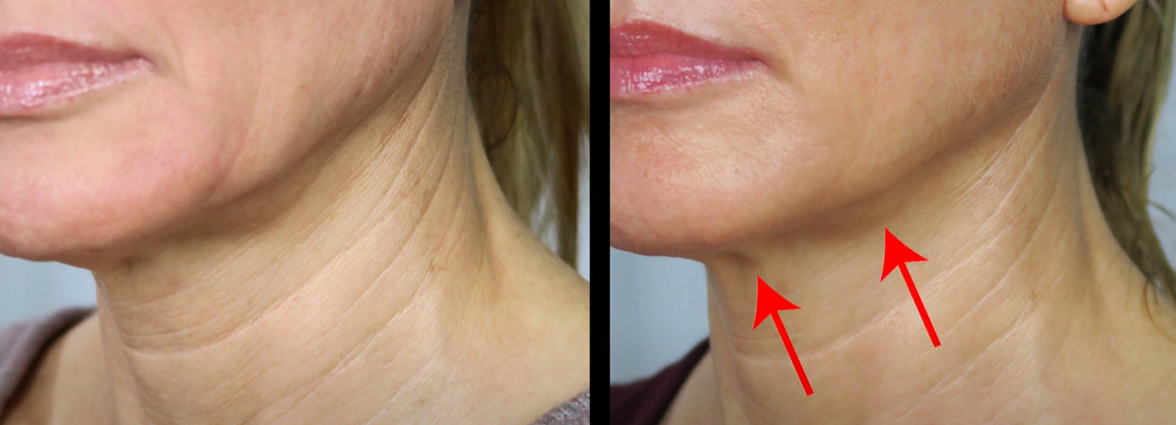
General HIFU devices apply multiple beams that can hit bone and fat tissues. They typically lack real-time imaging, so the operator cannot see exactly where the energy lands. Temperature control also varies more than with Ultherapy. The table below shows how general HIFU devices compare to regulated Ultherapy.
| Aspect | General HIFU devices | Regulated Ultherapy |
| Imaging | Often absent or optional | Integrated real-time ultrasound imaging |
| Depth targeting | Multiple cartridges; may be less precise without imaging | Imaging confirms depth before firing (e.g., 1.5, 3.0, 4.5 mm) |
| Heating volume | More variation or ‘blind’ energy deposition | Controlled micro-coagulation with predictable thermal zones |
| Safety concerns | Risk of unintended energy delivery to bone, fat, or nerve; quality varies | FDA-cleared with imaging and safety controls reducing risk |
| Side effects | Edema, numbness, or tender points possible; operator skill critical | Similar side effects possible but better controlled by imaging |
An ultraformer hifu treatment relies heavily on operator skill. Strict calibration matters to avoid treating unintended tissue depths. The procedure still offers a non-invasive path to firmer skin for many patients.
Common HIFU Variations
HIFU devices vary widely in depth options, imaging capability, and regulatory clearance. Some units offer depth ranges beyond 8 mm, while others stay shallower. Imaging is often absent unless the unit is high-end. Regulatory clearance varies by model and region. Evidence quality depends on the manufacturer.
MinXu’s 3D SMAS HIFU Machine is one example of a well-certified device. It targets the SMAS layer with an adjustable depth range from 1.5mm to 16.0mm. Clinics can use it for volumetric face lifting, wrinkle reduction, and body contouring in a single session. The device delivers immediate tightening effects with one pass. An ultraformer hifu treatment like this gives practitioners a versatile tool for both facial and body concerns.
HIFU vs Ultherapy: Technology and Precision
Micro-Focused vs. High-Intensity Beams
The energy delivery systems in hifu vs ultherapy differ fundamentally. Ultherapy uses micro-focused ultrasound with real-time visualization (MFU-V). This technology concentrates ultrasound energy at an exact depth. The focused beam creates a small zone of heat while surrounding tissue remains untouched. At each focal point, the temperature rises to approximately 60–70°C. This heat causes collagen to denature and contract. The system creates tiny thermal coagulation points roughly one millimeter across. These points form in neat lines with healthy skin deliberately left between them. This spacing allows rapid healing.
An ultraformer hifu treatment takes a different approach. Generic HIFU devices apply multiple broader beams. These beams can hit bone and fat tissues. The energy disperses across a wider area. This wider dispersion reduces precision compared to Ultherapy. An ultraformer hifu treatment relies on standardized settings. The operator cannot adjust energy delivery in real time. This limitation affects consistency across sessions.
Real-Time Imaging vs. Blind Treatment
Real-time imaging separates Ultherapy from most HIFU devices. The patented DeepSEE imaging lets practitioners see tissue layers on screen throughout the procedure. This visualization allows you to identify the optimal treatment depth for each area. You can confirm that energy reaches the correct tissue plane. The system uses different transducers to deliver energy at approximately 1.5 mm, 3.0 mm, and 4.5 mm depths. The 4.5 mm transducer warms the SMAS layer. This deep fibrous layer is what surgeons reposition during a facelift. An ultherapy treatment with imaging achieves lifting that surface-only devices cannot match.
| Feature | Ultherapy (MFU-V) | Generic HIFU Devices |
| Technology type | Specific brand of Micro-Focused Ultrasound with real-time Visualization | Broad category of High-Intensity Focused Ultrasound used across many devices |
| Real-time imaging | Patented real-time ultrasound imaging (DeepSEE) allows practitioner to see tissue layers on screen throughout the procedure | Most devices do not incorporate real-time imaging; treatment relies on anatomical knowledge and standardized depths |
| Energy delivery guidance | Visual confirmation ensures energy is delivered precisely to the correct depth, avoiding structures like bone or blood vessels | Delivered based on standardized settings without live feedback |
| Regulatory clearance | TGA-cleared for non-invasive lifting of neck, chin, and brow, and for improving lines and wrinkles on the décolletage | Regulatory status varies widely among devices using the broader ‘HIFU’ term |
| Precision and consistency | Higher precision and consistency due to visualization and depth control | Greater variability due to reliance on approximation |
An ultraformer hifu treatment without imaging depends more on approximation. This introduces variability in tightening outcomes. The lack of visualization can risk hitting bone and fat. Energy may reach unintended depths. An ultraformer hifu treatment requires strict operator skill to avoid these risks. Real-time imaging in Ultherapy supports more accurate targeting. It provides greater consistency in energy placement. The visualization also improves alignment between the treatment plan and your anatomy. This precision maximizes effectiveness and minimizes side effects. An ultraformer hifu treatment may still deliver good results for many patients. The technology simply offers less control during delivery.
Ultherapy vs HIFU: Regulation and Depth
Treatment Depth and Sessions
Depth targeting and session frequency differ between ultherapy vs hifu approaches. Ultherapy uses three fixed cartridge depths. The 1.5 mm cartridge reaches the superficial dermis. The 3.0 mm cartridge targets the deep dermis. The 4.5 mm cartridge reaches the SMAS layer with a narrow focal point and high energy density. This precision allows one session per year for most patients, with a touch-up cycle every 12 to 18 months.
General HIFU devices offer more depth options but less precision per depth. Some systems provide nine cartridge depths spanning 1.5 mm to 13 mm. MinXu’s 3D SMAS HIFU Machine offers an adjustable range from 1.5 mm to 16.0 mm. This covers dermal, SMAS, and subcutaneous layers. An ultraformer hifu treatment typically requires a series of 2 to 3 sessions spaced 4 to 6 weeks apart. An ultraformer hifu treatment may also need follow-up after 8 to 12 weeks depending on your collagen-building response.
| Device | Treatment Depth | Recommended Sessions |
| Ultherapy | Fixed 3 cartridge depths; targets SMAS at ~4.5mm | Single session; touch-up every 12–18 months |
| General HIFU | 9 cartridge depths spanning 1.5mm to 13mm | Series of 2–3 sessions spaced 4–6 weeks apart |
The hifu vs ultherapy comparison here comes down to predictability versus flexibility. Ultherapy gives you consistent depth control in one session. An ultraformer hifu treatment offers broader coverage across more sessions.
Results, Longevity, and Cost
How Long Results Last
You will notice gradual changes after an ultherapy session. Clinical follow-up studies report marked skin tightening at 90 days. Sustained and further improvements appear at 6 months. By 9 months, collagen density increases become clear. Ongoing clinical improvement in the face and submental area continues through 12 months. Long-term data beyond 12 months are limited. Clinical observations suggest the effect may last 1.5 to 2 years.
A hifu treatment follows a similar collagen-building timeline. You may see visible improvements within 8 to 12 weeks. Your skin continues to improve for several months as new collagen forms. The duration of results depends on your age, skin condition, and lifestyle. Most patients need follow-up sessions to maintain tighter and smoother skin. Your provider can assess your response and recommend the right schedule.
Price Ranges and Value
Cost varies by treatment area and market. The table below shows typical per-treatment patient costs for ultherapy.
| Treatment Area | Typical Cost Range (USD) |
| Brow | $400 – $1,000 |
| Under chin / submental | $400 – $1,500 |
| Lower face | $1,500 – $2,500 |
| Full neck | $1,500 – $2,600 |
| Full face and neck | $2,300 – $5,500 |
| Décolleté / chest | $1,500 – $2,500 |
Major metropolitan areas carry a 40–80% premium over suburban and mid-market pricing. A full face and neck treatment costs $2,300–$3,500 in mid-market cities. The same treatment costs $4,000–$5,500 in major metros like New York City or Beverly Hills.
Value depends on your goals and budget. A single ultherapy session may cost more upfront. A hifu series may require multiple visits. Ask your provider about package pricing and follow-up costs. The best results come from matching the right treatment to your skin condition and working with a qualified practitioner.
Safety and Effectiveness
Research and Clinical Evidence
Clinical research supports the safety and efficacy of ultrasound-based skin tightening. A pivotal FDA approval study followed 35 subjects and found that 86% showed clinically significant brow-lift at 90 days, with a mean eyebrow elevation of 1.7 mm. A larger multi-center study of 103 adults reported 58.1% improvement by blinded reviewers at 90 days. Histological analysis showed immediate fibroblast activation and up to 42% increase in new collagen production at 4–12 weeks. More than 50 clinical studies and 120 peer-reviewed papers describe ultherapy as the most researched non-invasive skin lifting treatment available.
Most side effects are mild and temporary. You may experience swelling that lasts a few hours to several days, tenderness similar to post-workout soreness, or redness that subsides within hours. Less common effects include slight bruising and temporary tingling or numbness near the jawline. Rare serious complications, such as burns or nerve injury, occur almost exclusively when unqualified providers use incorrect settings.
What to Expect During and After

Procedure Steps and Comfort
Your experience begins with a consultation. A qualified provider assesses your skin, discusses your goals, and reviews your medical history. They explain the procedure and set realistic expectations. You may receive advice to avoid certain medications or skincare products that increase sensitivity. No anesthesia is required, though some patients choose numbing cream or pain medication.
The in-office procedure follows a clear sequence:
Your provider cleanses the skin and marks treatment areas.
They apply ultrasound gel and use a handheld device with imaging to deliver focused energy beneath the skin.
Sessions commonly last 30–90 minutes, depending on the area treated.
You may feel brief, warm prickling sensations. Your provider adjusts energy levels based on your comfort. A full face and neck ultherapy session typically takes 60–90 minutes. Smaller areas like the jawline may take about 30 minutes.
Recovery and Downtime
You can return to normal activities immediately after your session. There is no downtime with this procedure. Mild redness, swelling, or tenderness may occur. These effects usually subside within hours to a couple of days.
“With HIFU treatment there is NO downtime. After your treatment, you can resume your normal activities immediately and there are no special measures that you have to take.”
You may see an initial tightening effect right away. The ultimate improvements develop gradually over two to three months. New collagen continues to form, and results keep getting better for up to six months. Your skin may appear flushed at first. Any redness should disappear within a few hours. Some clients experience slight swelling, tingling, or tenderness to the touch. These are only temporary sensations.
Choosing Non-Surgical Skin Tightening
Matching Treatment to Skin Goals
Your skin condition and goals guide the right choice. Ultherapy suits moderate to severe laxity with a single session lasting 12–18 months. HIFU works well for younger patients with mild laxity who prefer gradual improvements across multiple sessions.
Consider your treatment depth needs. Ultherapy targets the dermis and SMAS layer at depths similar to a surgical facelift. HIFU reaches the dermis and upper SMAS with a shallower focus on collagen stimulation. If you want a strong, long-lasting lift, Ultherapy may serve you better. If you seek comfortable, affordable sessions with no downtime, HIFU offers that path.
| Factor | Ultherapy | HIFU |
| Treatment Depth | Dermis and SMAS layer | Dermis and upper SMAS |
| Session Frequency | Single session; yearly maintenance | Multiple sessions every 4–6 months |
| Suitable Candidates | Moderate to severe laxity | Mild to moderate laxity |
The best candidates for HIFU are typically over 30 with mild skin laxity. This non-surgical facelift treatments approach targets the brow, neck, and jowls. However, highly slack skin will not benefit. Severe acne, metallic implants, or lesions in the treatment area also rule out this option.
Budget and Practitioner Qualifications
Cost matters, but value matters more. Non-surgical skin tightening represents a significant investment. Most patients see 20–30% improvement in laxity. Results develop gradually over months and require maintenance every 12–24 months. Understanding these realities prevents disappointment.
Choose a licensed, experienced provider. Key qualifications include medical licensure, specialized training in aesthetic procedures, and medical director oversight. A qualified practice offers a consultation that feels like a medical appointment. Your provider should discuss health history, realistic outcome expectations, and a customized plan. This approach ensures natural-looking improvements and visible improvements you can trust.
Clinics and spas may offer devices like MinXu’s 3D SMAS HIFU Machine. Access to certified equipment supports safe, consistent results. Ask your provider about their device certifications and training before committing to any skin tightening treatment.
The hifu vs ultherapy comparison comes down to precision. Ultherapy pairs micro-focused beams with real-time imaging, so your provider sees each tissue layer before delivering energy. HIFU covers a wider category of devices, and their technology and safety profiles vary by model and maker.
Your skin condition, goals, and budget shape the right choice. So does access to a qualified practitioner. A licensed, experienced provider assesses your anatomy and recommends a plan that fits your needs.
Do not pick a treatment based on price or trends alone. Ask about device certifications, training, and realistic outcomes. A personalized assessment protects your tightening results and your safety.
FAQ
Which procedure hurts more?
Both procedures cause brief warm prickling sensations. Ultherapy patients may feel deeper discomfort at the 4.5 mm depth. HIFU patients often report milder sensations. Your provider adjusts energy levels based on your comfort throughout either session.
Can you combine both procedures?
You can combine them, but space sessions apart. Your provider may recommend Ultherapy for deeper lifting and HIFU for surface collagen stimulation. Wait several weeks between treatments. A qualified practitioner designs a plan that avoids overtreating the same tissue layers.
How soon can you exercise after treatment?
You can resume normal activities immediately. No downtime is required for either procedure. Wait 24 to 48 hours before intense workouts. Heat and sweat may increase temporary redness or swelling. Gentle exercise is fine right away.
What happens if you skip maintenance sessions?
Results fade gradually without maintenance. Ultherapy effects may last 1.5 to 2 years. HIFU results typically require follow-up every 4 to 6 months. Skipping sessions means collagen production slows and laxity returns. Your provider can adjust your schedule based on your response.
Does insurance cover these procedures?
Insurance rarely covers cosmetic skin tightening. Both procedures are elective. You pay out of pocket. Ask your provider about package pricing and payment plans. Major metropolitan areas charge 40–80% more than suburban markets.
Discover more from Minxu
Subscribe to get the latest posts sent to your email.