

Selecting the ideal laser hair removal machine begins with evaluating the salon’s client demographics, treatment objectives, and budget. This laser facial machine decision directly impacts profitability and client retention. Understanding technology types, evaluation factors, and budget strategies is essential before purchasing a laser hair removal machine. This buyer’s guide helps identify the right machine for each salon. A careful approach prevents costly errors and builds long-term success.
Key Takeaways
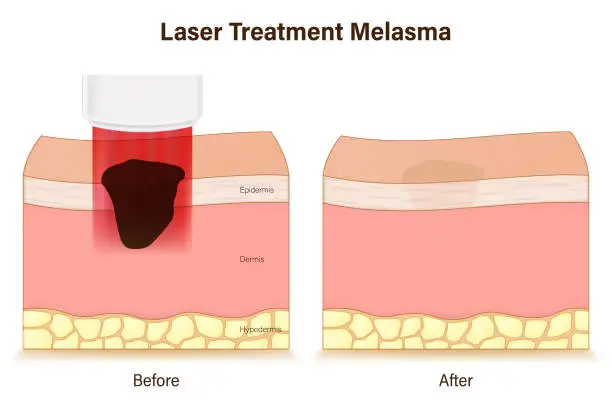
Choose a diode laser for effective hair removal on all skin types.
Plan for hidden costs like consumables and service contracts.
Vet manufacturers by verifying certifications and customer references.
Invest in staff training and safety protocols to build client trust.
Set prices and marketing to break even within 12 to 18 months.
Start with core treatments. Expand services later using the same machine.
Laser Facial Equipment Technologies Compared
Salon owners face a critical choice among laser facial equipment technologies. Each platform serves different treatment goals and client needs. A clear technology comparison helps buyers match equipment to their service menu. The sections below examine diode lasers, IPL/OPT devices, and Nd:YAG and CO2 systems.
Diode Lasers for Hair Removal
Diode lasers serve as the workhorse for laser hair removal machine treatments and skin rejuvenation. These devices dominate the market for good reason. They deliver consistent results across a wide range of skin tones. Salon owners who want reliable laser hair removal services often start with diode technology.
Wavelength and Skin Type Fit
Diode lasers operate at specific wavelengths that target melanin in hair follicles. Common options include 755nm, 810nm, and 1064nm. Each wavelength penetrates skin differently. The 755nm wavelength works well for fair skin types. The 810nm wavelength offers broader versatility. The 1064nm wavelength reaches deeper tissue and suits darker skin tones.
A simulation study compared alexandrite (755 nm) and diode (810 nm) lasers for laser hair removal in dark and medium skin. The diode laser proved more effective. It penetrated deeper into the dermis. The transmission ratio was approximately 4% higher than the alexandrite laser for dark skin. The study concluded that the 810 nm diode laser is the better option for dark and medium skin. It provides safe and complete hair reduction without the risk of adverse thermal damage often associated with shorter wavelengths.
Different laser types offer distinct advantages for various clients:
Diode laser: High effectiveness across all skin types; works on all skin tones.
Alexandrite laser: High effectiveness on fair skin; best for fair to olive skin; less versatile than diode.
Ruby laser: Best for very fair skin; not safe for darker skin; high discomfort.
Nd:YAG laser: Superior for dark skin tones but less effective on fine or light-colored hair; more painful.
IPL: Moderate effectiveness; requires more sessions; best for light skin and dark hair.
The overall verdict places diode laser as the most versatile and effective for a wide range of patients. It offers lasting hair reduction with fewer sessions and lower discomfort.
Speed and Comfort
Treatment speed matters for salon profitability. Diode lasers cover large areas quickly. A professional laser hair removal machine with a large spot size reduces treatment time per session. This speed allows salons to book more appointments each day.
Comfort features also affect client satisfaction. Modern diode systems include built-in cooling mechanisms. These cooling systems protect the skin surface during treatment. Clients experience less discomfort compared to older technologies. Repeat sessions become easier to schedule when clients tolerate treatments well.
IPL and OPT Devices
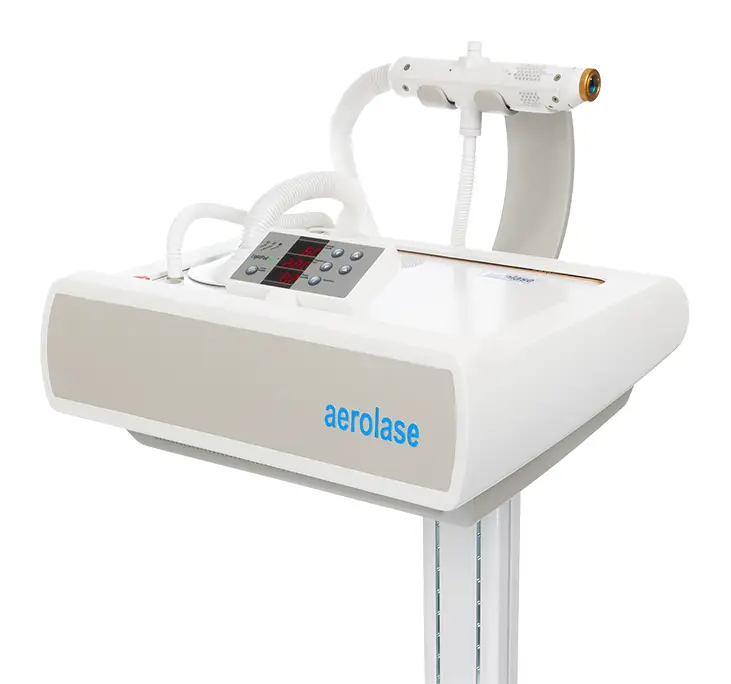
IPL stands for intense pulsed light. OPT stands for optimal pulsed technology. Neither device is a true laser. They emit broad-spectrum light rather than a single wavelength. This difference affects precision and treatment outcomes.
Best Salon Applications
IPL and OPT devices offer versatility for salons. They address multiple concerns with one platform. Common applications include laser hair removal, skin rejuvenation, and pigmentation reduction. Salons with diverse client bases find these devices useful. They provide a cost-effective entry point for laser hair removal services.
These devices work best for clients with light skin and dark hair. The contrast between hair color and skin tone allows the light energy to target follicles effectively. Salons serving clients who fit this profile can achieve good results with IPL technology.
Client Expectation Limits
IPL and OPT devices require more sessions than diode lasers. Clients need to understand this difference before booking. Setting realistic expectations prevents disappointment. Salon staff should explain that IPL provides moderate effectiveness for laser hair removal.
The broad-spectrum light also limits precision. IPL cannot target specific chromophores as precisely as true lasers. This limitation affects treatment outcomes for certain conditions. Salons should communicate these limits during consultations. Honest discussions build trust and reduce complaints.
Nd:YAG and CO2 Lasers
Nd:YAG and CO2 lasers represent advanced options for specific treatments. These systems require experienced staff and proper training. Salons with established laser programs may consider adding these technologies.
Vascular and Pigmented Lesions
Nd:YAG lasers target vascular and pigmented lesions. The 1064nm wavelength penetrates deeply into skin tissue. This depth allows treatment of deeper blood vessels and pigmentation. Clients with vascular conditions benefit from this technology.
These lasers also work well for darker skin tones. The longer wavelength bypasses melanin in the epidermis. This feature reduces the risk of burns and hyperpigmentation. Salons serving diverse clients find Nd:YAG systems valuable for laser hair removal on darker skin.
Deep Resurfacing and Scar Reduction
CO2 lasers excel at deep resurfacing and scar reduction. They remove damaged skin layers and stimulate collagen production. Clients seeking dramatic skin improvements choose these treatments. Results include reduced wrinkles, improved texture, and diminished scars.
These treatments require significant downtime. Clients need recovery periods after CO2 laser sessions. Salons must plan for longer appointment times and follow-up care. The advanced nature of these treatments demands skilled operators. Proper training ensures safe and effective results.
Salon owners should evaluate their client base before investing in these advanced systems. The best laser hair removal machines for one salon may not suit another. Matching technology to client needs ensures strong returns on equipment investments.
Critical Factors Before You Buy
Smart purchasing decisions rest on three pillars: regulatory compliance, build quality, and operational speed. Each factor influences safety, client outcomes, and return on investment. Salon owners who evaluate these elements before signing a contract avoid costly mistakes.
Build Quality and Safety
Build quality determines how long a professional laser hair removal machine performs reliably. Key specifications reveal whether a device meets professional standards or cuts corners.
Wavelength, Spot Size, and Fluence
Wavelength coverage, energy output stability, and pulse width define a machine’s capabilities. Professional-grade devices offer multiple wavelengths to address different pigment types and skin depths. Energy output stability matters for consistent results. High-performance systems use robust power supplies that maintain stable output without energy attenuation during prolonged use. This stability prevents treatment variability across sessions.
Spot size affects both speed and precision. Larger spot sizes cover more area per pulse, reducing session time for large areas. Smaller spots provide precision for small facial areas but may slow throughput. The optimal spot size must match the treatment mix.
Cooling Systems and Comfort
Cooling systems protect the skin surface and keep clients comfortable. Composite cooling architectures prevent overheating of the laser core and extend equipment lifespan. Machines with cooling that degrades under heavy use force slower operation or rest periods. This limitation reduces daily client numbers. Effective contact cooling allows operators to work continuously without breaks.
Speed and Versatility
Treatment speed directly influences profitability. The faster a salon safely completes procedures, the more clients it serves each day. This relationship drives higher daily revenue potential.
Appointment Capacity Impact
Several factors determine how many clients a salon can serve per day. Spot size, repetition rate, cooling stability, handpiece weight, and interface speed all contribute. A high, stable repetition rate enables faster pulse delivery during in-motion treatments. However, if the machine cannot maintain output or cooling at high rates, pauses become necessary. Heavy or poorly balanced handpieces cause operator fatigue during repeated large-area treatments. A comfortable, lightweight handpiece sustains faster movement and longer work sessions. Fast presets and simple software reduce time between appointments.
From a business perspective, treatment speed directly influences your clinic’s profitability – the faster you can safely complete procedures, the more clients you can serve in a day, leading to higher daily revenue potential.
Multi-Platform vs. Single-Purpose
Multi-platform machines offer versatility by addressing multiple concerns with one device. They expand service offerings to include vascular lesion treatment, pigment correction, and wrinkle reduction. This versatility raises average revenue per client and accelerates the payback period. Clinics can recover their laser machine investment within 6 to 12 months when pricing and marketing are optimized. Dual-wavelength systems and software upgradeability help protect the investment against market changes. Single-purpose machines cost less upfront but limit service expansion. The choice depends on client demographics and long-term business goals.
Setting a Realistic Budget
Understanding the full financial picture of a laser facial machine purchase prevents costly surprises. Pricing varies widely based on technology type, brand reputation, and included features. Hidden expenses add significantly to overall costs over time. Salon owners who plan for these expenses position their businesses for stronger returns.
Machine Cost Ranges
Equipment pricing spans a broad spectrum. The technology type, build quality, and manufacturer determine where a machine falls within that range. New versus refurbished options present another important choice.
Entry-Level vs. High-End Pricing
Entry-level professional laser machines are available at a lower price point, while high-end systems can be significantly more expensive. The table below shows typical investment tiers for different technologies.
| Recommended Technology | Equipment Investment Tier (USD) |
| Diode Laser (810nm) | — |
| IPL / OPT | — |
| Non-Ablative Fractional | — |
| CO2 Fractional | — |
| IPL or Pulsed Dye Laser | — |
| Q-Switched Nd:YAG / Picosecond | — |

A mid-range diode laser hair removal machine offers a strong balance of capability and cost. IPL devices start lower but deliver less precise results. CO2 systems demand the highest investment but command premium treatment prices. Salon owners must match features and specifications to their client demographics and service pricing.
New vs. Refurbished
Buying new guarantees the latest features and full warranty coverage. Refurbished machines come at a lower purchase price but carry greater risk. A budget machine may seem attractive, but its total cost of ownership over three years tells a different story.
| Cost Element (3-Year Horizon) | Budget Machine | Quality Machine |
| Purchase price (DDP) | Lower up-front | Higher up-front |
| Handpiece replacement (×2) | Higher | Lower |
| Consumables & maintenance | Higher | Lower |
| Estimated downtime (revenue loss) | Higher | Lower |
| 3-Year TCO | Higher total | Lower total |

The budget machine may appear less expensive upfront, yet hidden expenses can push its three-year total higher than expected. The quality machine costs more initially but can have a lower total cost of ownership over three years due to fewer repairs and less downtime. The gap in total cost provides better reliability, fewer repairs, and less downtime. A professional laser hair removal machine that operates consistently generates more revenue. A professional laser hair removal machine from a reputable manufacturer delivers consistent results with fewer interruptions.
Hidden Costs to Plan For
Salon owners often focus on the purchase price alone. Hidden costs can add significantly to overall expenses. Knowing these costs before signing a contract protects the salon’s budget.
Consumables and Replacement Parts
Consumables include flashlamps, diode bars, and cooling components. Their replacement frequency varies by usage. Handpiece replacement cost depends on shot lifespan and cost per shot. High-volume clinics face significant recurring expenses from these components. Training adds further cost. Specialized technician certification requires repeated investment when staff turnover occurs.
Service Contracts and Downtime
Post-warranty service agreements can be costly. Modular components allow cheaper third-party repairs. Proprietary systems lock the salon into higher-priced service from the manufacturer. Cooling system failures are a common repair cost. Climate control prevents overheating and extends component life. Downtime affects revenue directly. A machine out of service for one week can lose significant treatment income.
Financing and ROI Timelines
Few salons pay cash for professional laser hair removal machines worth thousands of dollars. Financing options help spread the cost over time. Understanding break-even timelines helps the salon owner evaluate whether investing in a laser hair removal machine makes financial sense.
Leasing vs. Buying
Equipment financing uses the machine as collateral. This option offers easier qualification and better rates than unsecured loans. Typical terms range from two to seven years. Term loans provide a lump sum repaid over one to ten years. Business lines of credit allow drawing funds as needed. SBA loans offer government-backed rates with longer terms. Leasing preserves cash for other business needs. Buying builds equity in the equipment. The table below compares common financing options.
| Financing Option | How It Works | Typical Terms | Best For |
| Term Loan | Lump sum repaid over fixed period at set interest rate | 1–10 years | Large, defined expenses |
| Business Line of Credit | Draw funds as needed up to a limit; interest only on used amount | Revolving | Fluctuating needs |
| Equipment Financing | Equipment serves as collateral; easier qualification, better rates | 2–7 years | Salon equipment including laser devices |
| SBA Loans (7(a)/504) | Government-backed, competitive rates, long terms | 30–90 days to fund; up to $5M (7(a)) | Large expansion projects |
Calculating Break-Even
Break-even analysis shows when investing in a laser hair removal machine starts generating profit. With optimized pricing and marketing, many clinics recover their investment within 6 to 12 months. Faster break-even is possible with high utilization and multi-functional treatments. Sufficient working capital during this period is essential.
After-Sales Support and Warranty
Strong after-sales support separates reliable manufacturers from budget suppliers. Remote diagnostic support allows technicians to log in remotely, view real-time signals, and diagnose issues quickly. This capability turns a multi-day email exchange into a short fix. Spare parts logistics also matter. Suppliers must maintain adequate stock using standard industrial components so replacements remain available after warranty expires.
Response Times and Diagnostics
Response times reveal a manufacturer’s commitment to maintenance and support. Vendors offering remote support speed troubleshooting and reduce service visits. Comprehensive training programs covering operation and maintenance prevent common user errors. These errors include dirty optics, poor grounding, and moisture problems that lead to warranty denials.
Warranty Terms and Coverage
Salon owners must confirm the warranty period for the exact model. They should identify which major components are covered, such as the laser source, mainboard, and power supply. Clarifying which parts count as consumables prevents surprise expenses. Consumables include filters, tips, and cartridges. Buyers should determine who pays international shipping for replacement parts. They must verify whether warranty starts on shipment date or delivery date. Understanding what evidence is required for claims and what actions void the warranty protects the salon’s investment.
Staff Training Requirements
Manufacturer-led training often comes included with a laser facial machine purchase. These sessions cover device-specific operation, maintenance, and troubleshooting. Third-party courses provide broader certification that applies across multiple platforms. Many aesthetic employers require laser certification for treatment roles.
A structured laser technician diploma combines theoretical and practical training over a set number of hours.
Manufacturer-Led vs. Third-Party
Manufacturer sessions focus on one device and its specific controls. Third-party programs teach transferable skills across laser hair removal, skin rejuvenation, and resurfacing platforms. Salons benefit from combining both approaches. Operational training on the purchased device ensures immediate competence.
Hands-On Certification
Practical hours build muscle memory and decision-making speed. Trainees practice on test spots, adjust fluence settings, and respond to skin reactions under supervision. Certification adds credibility and confirms safe equipment handling.
Essential Safety Protocols
Every laser room needs written safety protocols and emergency equipment. Emergency equipment should be available in the treatment space. Staff must know fire extinguisher locations and evacuation routes.
Skin Typing and Screening
Fitzpatrick skin typing guides wavelength and energy selection. A contraindications checklist catches medications, recent treatments, and hypersensitivity history before treatment begins.
Eye Protection and Emergencies
Class IIIb and IV lasers require wavelength-specific protective eyewear. Eyewear must carry optical density labels. Staff training covers power failure, fire response, and equipment testing.
Building Client Trust
Consent forms and consultations protect both the client and the practitioner. A signed form confirms the client understands the procedure, risks, and expected outcomes. This documentation serves as the practitioner’s primary professional protection.
Consent and Consultations
Review the contraindications checklist alongside the client before signing. This two-way conversation surfaces disclosures clients might otherwise skip. Walk through the specific treatment plan and explain why each setting suits their skin concern.
Managing Expectations and Aftercare
Most complaints stem from unmet expectations rather than adverse events. Clear aftercare instructions reduce complications and improve results. Retain signed forms and treatment notes for an appropriate period. This practice resolves most disputes without escalation.
Maximizing ROI and Client Demand
Marketing Laser Facial Services
Targeting Client Demographics
Identifying the right client base drives laser hair removal service revenue. Salons should analyze existing client data to find patterns. Common demographics for laser hair removal include women with disposable income and a desire for permanent hair reduction. Strategic positioning in a high-traffic area where the target market frequents can maximize profitability. Salons near shopping districts or business centers attract working professionals with consistent appointment schedules.
Client education also plays a role in targeting. Many potential clients do not understand the difference between laser hair removal and IPL treatments. Salons that explain these distinctions build trust and attract clients seeking effective solutions. Social media platforms help reach these demographics. Before-and-after photos, treatment explanations, and package promotions perform well on Instagram and Facebook.
Pricing for Profitability
Effective pricing balances client affordability with healthy profit margins. Several factors influence optimal pricing for laser hair removal services such as equipment quality, location, and treatment area. The table below outlines key pricing considerations and their strategic implications.
| Pricing Factor | Evidence-Based Detail | Strategic Implication |
| Equipment quality | Higher-end laser equipment can raise service prices to cover related expenses. | Justifies premium pricing and protects margins when equipment costs are high. |
| Geographic location | Urban salons typically charge more due to higher overhead costs. | Supports location-based pricing tiers and higher rates in high-cost markets. |
| Technician experience | Highly qualified technicians may charge more for their expertise. | Enables premium pricing while reducing complication risk. |
| Underarm treatment | Average price varies; multiple sessions needed. | Package deals can increase loyalty and repeat revenue. |
| Upper lip treatment | Average price varies; multiple sessions required. | Promotions encourage commitment to a full treatment course. |
| Chin treatment | Average price varies; series of sessions needed. | Package deals attract and retain clients. |
Competitive pricing, advanced laser technology with the right wavelength, and strong service training help clinics generate substantial profits. Offering packages for multiple laser hair removal sessions and convenient payment options boosts revenue. Minimizing payment processing fees and leveraging online platforms such as the company website and social media further enhances financial success. Strategic planning can help maximize earnings, highlighting the profitability potential of this service.
Expanding Your Service Menu
Adding Treatments Over Time
Salons should start with core laser hair removal services and expand gradually. A laser hair removal machine designed for versatility allows owners to add treatments without purchasing new equipment. Skin rejuvenation, pigmentation treatment, and vascular lesion therapy build on the same technology platform. Each new service attracts different client segments and increases average revenue per visit.
Adding treatments one at a time prevents staff overwhelm. Training on one new service before introducing another ensures quality outcomes. Clients appreciate consistency, and gradual expansion maintains service standards. The best laser hair removal machines support multiple treatment modes, making expansion easier. Salons that introduce new services every three to six months keep their menu fresh without straining resources.
Upgrading Without Overextending
Equipment upgrades require careful financial planning. Salons should upgrade only when existing equipment cannot meet client demand. Leasing options preserve cash flow for marketing and staff training. Used equipment from reputable manufacturers offers another path to expand capabilities without full investment.
A professional laser hair removal machine that suits different customer needs generates repeat business. Owners should focus on versatility when selecting initial equipment. A device that handles multiple treatments reduces the need for frequent upgrades. Salons that match equipment choices to client demographics achieve stronger returns. This approach protects the salon from overextending financially while still offering high-demand treatments.
Laser Hair Removal Machine for Salons and Clinics
Laser hair removal ranks among the most requested services in the aesthetics industry. Successful laser hair removal requires matching equipment to client needs and treatment goals. A well-chosen laser hair removal machine for salons and clinics generates consistent revenue and builds client loyalty. Understanding revenue drivers and device selection helps owners maximize investment.
Why This Service Drives Revenue
High Client Demand
Market data confirms strong demand for laser hair removal. A full treatment cycle requires multiple sessions. Maintenance adds visits per year after the initial cycle. Permanent hair reduction is high with professional equipment. Diode technology handles diverse skin types effectively. The high success rate drives word-of-mouth referrals and repeat bookings. A reliable laser hair removal machine becomes the centerpiece of a profitable service menu.
Repeat Treatment Cycles
The biological nature of hair growth creates repeat business for laser hair removal. Laser energy only affects follicles in the active growth phase. Hair reduction improves with each session. The number of sessions needed varies by client and hair type. Optimal spacing between sessions depends on the treatment plan. Each visit reinforces the client relationship. A professional laser hair removal machine delivers consistent results across every appointment. The repeat cycle drives steady laser hair removal bookings and predictable revenue.
Choosing the Right Device
Diode vs. IPL for Hair Removal
Diode lasers outperform IPL devices for laser hair removal. Clinical evidence supports this difference. IPL requires more sessions over a longer timeline. Salons seeking effective laser hair removal choose diode lasers for proven outcomes.
Matching Device to Client Base
Salon owners must match equipment to their client base for successful laser hair removal. Several factors determine whether a laser hair removal machine for a salon or clinic suits the target market. Power output determines treatment depth for various skin types. Wavelength options must cater to diverse skin tones and hair shades. Spot size affects treatment speed for different body areas. Cooling performance directly impacts client comfort and safety. A versatile laser hair removal machine must balance these factors. Owners who evaluate these criteria before purchasing avoid costly mismatches. A well-chosen device ensures consistent laser hair removal results across diverse client needs. laser machines for hair removal require careful evaluation to ensure strong returns.
Salon owners make smart decisions by assessing client demographics, choosing the right technology, and evaluating certifications and safety features. They set a realistic budget, vet manufacturers carefully, and invest in proper training. Rushing into purchasing a laser hair removal machine often leads to costly mistakes. Due diligence protects both the business and its clients.
Owners should prioritize long-term ROI and client safety over short-term savings. A quality laser facial machine delivers consistent results and builds lasting trust. Demand for laser treatments continues to grow. Well-prepared salons capture this opportunity and thrive.
FAQ
What is the difference between a laser and IPL for hair removal?
A true laser emits a single wavelength of light. IPL uses broad-spectrum light instead. Professional lasers deliver more precise and effective laser hair removal results.
How many laser hair removal sessions does a client need?
Most clients need multiple sessions for a full treatment cycle. Hair reduction improves with each session. Maintenance visits are required periodically. Optimal spacing between sessions depends on the treatment plan.
How much does a professional laser hair removal machine cost?
Equipment pricing varies widely based on technology type, brand, and features. Hidden costs like consumables and service contracts add to total ownership expenses.
What training do salon staff need to operate laser equipment?
Manufacturer-led training often comes included with purchase. Third-party courses provide broader certification across multiple platforms. A structured diploma combines theoretical and practical training. Hands-on practice builds competence.
How long does it take to break even on a laser hair removal machine?
With optimized pricing and marketing, many clinics recover their investment within 6 to 12 months. Sufficient working capital during this period is essential.
What safety protocols should salons follow for laser treatments?
Every laser room needs written safety protocols and emergency equipment. Staff must use wavelength-specific protective eyewear with optical density labels. Fitzpatrick skin typing guides wavelength and energy selection. A contraindications checklist catches medications and hypersensitivity history before treatment begins. Consent forms protect both client and practitioner.
Can one machine handle both hair removal and skin rejuvenation?
Multi-platform machines address multiple concerns with one device. They expand service offerings to include vascular lesion treatment, pigment correction, and wrinkle reduction. This versatility raises average revenue per client. Single-purpose machines cost less upfront but limit service expansion. The choice depends on client demographics and long-term business goals.
Discover more from Minxu
Subscribe to get the latest posts sent to your email.