

You have one budget and two machines to consider. Laser lipo vs cavitation is the decision every beauty business buyer faces, and clients expect visible results from both. The global body contouring devices market reached USD 1.9 billion in 2025, so demand for non-invasive fat reduction keeps growing.
These technologies differ in energy type, sensation, treatment areas, session counts, and cost. Those differences directly shape your return on investment. Ultrasonic cavitation destroys fat cells; laser lipo deflates them. One suits large zones, the other precise spots. This comparison gives you a side-by-side breakdown. You also get practical guidance for matching each option to your client profiles, your business goals, and your consultation process.
Key Takeaways
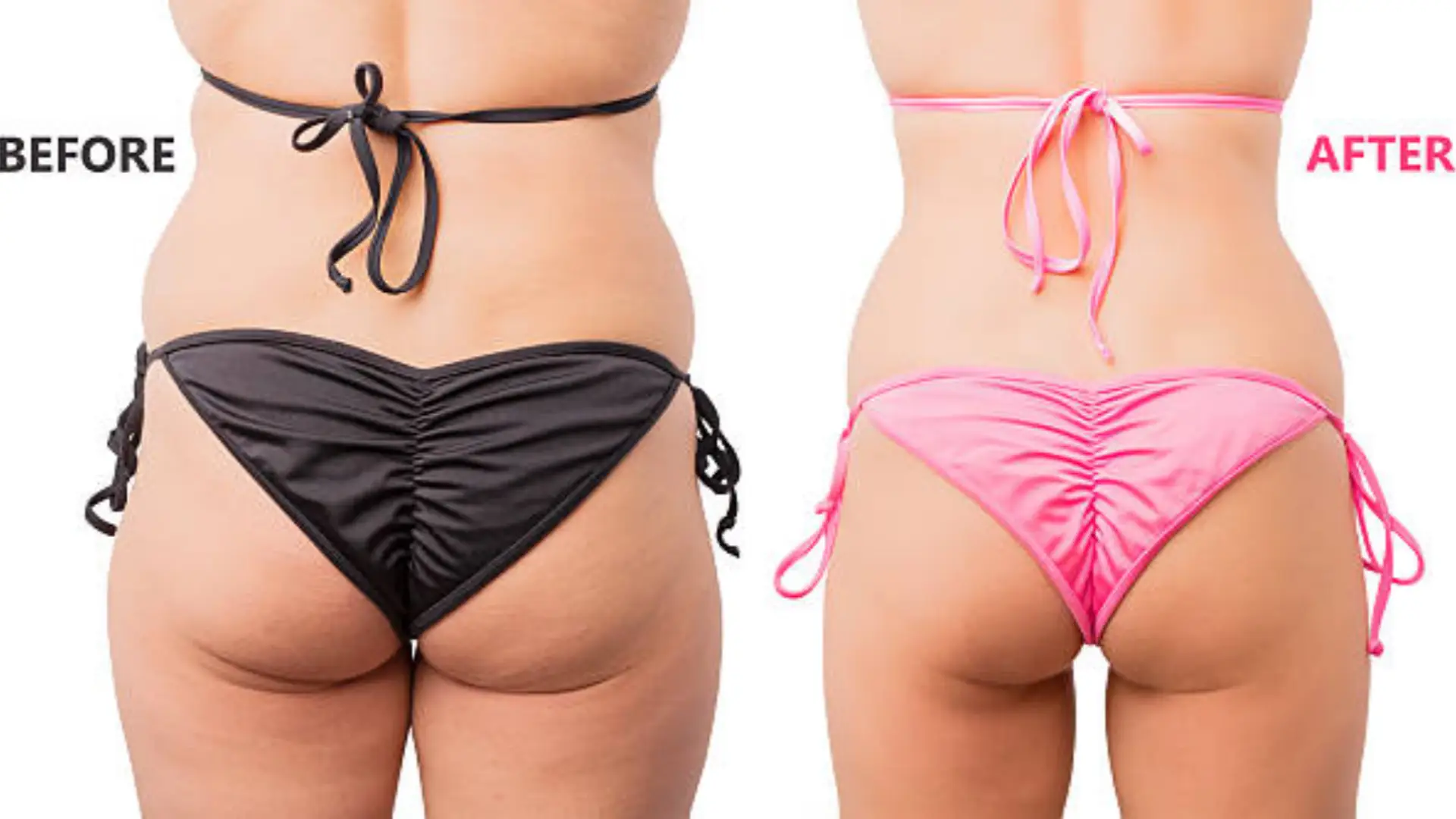
Laser lipo deflates fat cells and tightens skin, ideal for small areas like chin and arms.
Cavitation destroys fat cells permanently, best for larger areas like abdomen and thighs.
Laser lipo needs 3-6 sessions; cavitation requires 6-12 sessions for optimal results.
Laser lipo costs $150-$500 per session; cavitation costs $100-$300 per session.
Both treatments have no downtime, so clients return to normal activities immediately.
Laser lipo is FDA cleared for skin tightening; cavitation is not, so combine with RF for firmness.
You can offer both treatments together to cover all client needs and boost revenue.
A $3,000 cavitation machine can pay for itself in under a month with regular bookings.
What Is Laser Lipo
Laser lipo uses low-level laser energy to gently deflate fat cells rather than destroy them. This non-invasive approach also stimulates collagen production for mild skin tightening. Understanding this mechanism helps you set accurate client expectations from the first consultation.
How Laser Lipo Works
Low-Level Laser Energy
Low-level laser therapy produces no immediate temperature rise in treated tissue and no visible structural change. The dosage is measured in joules per square centimeter. Instead of generating heat, the laser triggers photochemical reactions within cells.
Research shows that laser exposure creates temporary pores in fat cell membranes. Triglycerides leak through these pores. Laboratory findings demonstrate that 80 percent of fat releases after 4 minutes of laser light exposure, and 99 percent releases after 6 minutes. Importantly, the laser does not kill cells or stimulate lipolysis through glycerol increase.
Fat Release and Lymphatic Drainage
The red light used in laser lipo causes fat cells to shrink dramatically, similar to grapes becoming raisins. The body then processes the released triglycerides through its natural lymphatic system.
This process differs fundamentally from cavitation. Laser lipo deflates fat cells while cavitation destroys them. This distinction is irreversible and shapes everything from session planning to client education.
Benefits and Ideal Candidates
Clinical studies report high patient satisfaction rates and significant fat reduction with laser lipo. The technology works best for clients targeting small, precise areas such as the chin, arms, and love handles. MRI measurements show 17 percent fat volume reduction and 18 percent skin surface area decrease.
Your ideal candidates seek targeted fat reduction in specific zones. They value faster visible results compared to cavitation. Skin tightening benefits add appeal for clients concerned about mild laxity after fat loss.
Treatment Areas and Sessions
A typical laser lipo course runs 3 to 6 sessions with no downtime. Initial results appear around 6 weeks after swelling subsides. Full results become apparent at approximately 3 months.
Larger areas like the abdomen may require more sessions than smaller zones. Some clinics recommend up to 9 sessions for optimal outcomes. Patient satisfaction peaks when you tailor treatment to fat layer thickness. This personalization strengthens your service menu and builds lasting client relationships.
What Is Cavitation
Ultrasonic cavitation uses low-frequency sound waves to disrupt and permanently destroy fat cells. Your body then processes these destroyed cells naturally over time. This mechanism distinguishes cavitation from laser lipo, which deflates fat cells rather than destroying them.
How Ultrasonic Cavitation Works
Low-Frequency Sound Waves
The treatment relies on low-frequency ultrasound waves to produce a cavitation effect. These waves form microscopic bubbles inside fatty tissue. As the bubbles rapidly expand and collapse, they generate powerful shock waves. The shock waves rupture fat cell membranes through mechanical disruption. The cavitation effect requires precise frequency control to target only fat cells. This process is called lipolysis.
You deliver the treatment through a handheld applicator placed against the client’s skin. The ultrasound waves penetrate through skin layers to reach the underlying fat. The technology leaves blood vessels, nerves, and connective tissue unharmed.
This table shows how ultrasonic cavitation compares to other non-invasive technologies.
| Technology | Mechanism of Fat Cell Destruction | Permanence of Results |
| Ultrasound Cavitation | Low-frequency sound waves create microscopic bubbles that expand and collapse, mechanically disrupting fat cell membranes (cavitation effect); released triglycerides are processed by the liver and lymphatic system | Destroyed fat cells do not regenerate, so results are permanent with a stable weight and healthy lifestyle |
| HIFU | Focused ultrasound energy raises fat cell temperature above 56°C, causing coagulative necrosis (thermal destruction) | Permanent destruction of fat cells, with results lasting 12–18 months or more |
| Cryolipolysis (Fat Freezing) | Controlled cooling freezes and destroys fat cells | Fat cells are destroyed and do not regenerate, though remaining fat cells can enlarge with weight gain |
This comparison helps you during client consultation when explaining your treatment options.
Emulsified Fat Elimination
Cavitation achieves permanent fat destruction through this process. After the shock waves rupture the fat cell membranes, the cells release triglycerides. Your client’s body breaks these triglycerides into glycerol and free fatty acids. The lymphatic system and liver then process and eliminate these substances naturally.
The treated fat cells do not regenerate. This outcome makes the fat removal permanent. Your clients must maintain a stable weight and healthy lifestyle. Clear communication about this point builds trust and sets realistic expectations.
Benefits and Ideal Candidates
The technology works best for clients targeting larger body regions. Your ideal candidates seek fat reduction on the abdomen, thighs, and hips. They want overall body shaping rather than spot treatment on small areas. Clinical data shows strong results for large treatment zones.
The chart below illustrates fat thickness reductions measured across four body areas after treatment.

Patient satisfaction rates confirm these objective measurements. One study reported a median satisfaction score of 4.0 out of 5.0. A total of 86.7 percent of patients were highly satisfied or satisfied. Mild discomfort was the only common adverse event.
Treatment Areas and Sessions
Typical cavitation sessions target the abdomen, thighs, hips, and flanks. A standard course of cavitation runs 6 to 12 sessions with gradual fat reduction over time. Each session takes approximately 20 minutes per area. Your clients experience no downtime and return to normal activities immediately.
Your clients should expect measurable circumference reduction as the treatment course progresses. The first measurable change typically appears after 3 to 4 sessions. This change shows 1 to 2 centimeters of circumference reduction. A full 8-session course delivers an average reduction of 2 to 4 centimeters. Clinical trials using 10 sessions confirmed statistically significant subcutaneous fat thickness reduction.
| Session Range | Abdominal Circumference Reduction | Source Detail |
| Sessions 3–4 | 1–2 cm (first measurable change) | 2023 analysis reported average 2–4 cm reduction across full 8-session course |
| Sessions 5–7 | 2–4 cm | 2020 randomized controlled trial using 10 sessions (20 min each, twice weekly) showed statistically significant subcutaneous fat thickness reduction |
Bold numbers like these support your sales pitch. You can promise clients visible results within a defined timeline. The fat reduction process is gradual but permanent. Cavitation delivers this outcome reliably for clients seeking lasting change without surgery.
Laser Lipo vs Cavitation: Key Differences

This section presents the major differences between these two non-invasive body contouring technologies. You need clear knowledge of these distinctions to select the right equipment and educate clients effectively. The laser lipo vs cavitation decision determines what outcomes you can promise and which client segments you serve.
The table below distills the core differences. Each column addresses a factor you must evaluate when choosing a non-invasive body contouring system.
| Factor | Laser Lipo | Ultrasonic Cavitation |
| Technology | Low-level laser energy (635 nm) | Low-frequency ultrasonic sound waves |
| Mechanism | Deflates fat cells by creating temporary pores | Destroys fat cells through mechanical disruption |
| Effectiveness | 80% fat release after 4 min; 99% after 6 min | Fat reduction per treated area per session |
| Treatment Areas | Chin, arms, love handles, knees, bra-line | Abdomen, thighs, hips, back, buttocks |
| Skin Tightening | FDA cleared for collagen production and skin tightening | Not FDA approved for skin tightening |
| Typical Sessions | 3–6 sessions | 6–12 sessions |
| Recovery | No downtime | No downtime |
| Cost per Session | $150–$500 | $100–$300 |
| Total Course Cost | $600–$2,500 | $800–$3,000 |
Compare these figures against CoolSculpting, which runs upwards of $4,000 for a full course. Both alternatives position as budget-friendly non-surgical fat reduction options. Understanding these key differences lets you match the right technology to each client’s specific goals. CoolSculpting remains a household name, but these non-invasive alternatives deliver comparable contouring at a fraction of its price. You can reference this cost advantage during every consultation.
Technology and Effectiveness
Laser lipo operates on a fundamentally different principle than cavitation. The 635 nm laser energy creates transitory pores in the adipocyte cell membrane. Fat content exits through these pores without destroying the cell. After 4 minutes of exposure, 80% of fat releases; after 6 minutes, 99% releases. The interstitial space and capillaries remain intact, resulting in deflated fat cells. You offer clients a gentle process that spares cell structure yet delivers measurable circumference reduction.
Cavitation employs focused sound waves to rupture adipocyte membranes. The mechanical disruption combines with thermal effects to selectively damage fat tissue. Patients may achieve measurable fat reduction in the treated areas per session. The destroyed cells cannot regenerate. You tell clients that this fat reduction treatment provides permanent results when they maintain a stable weight. The cumulative effect across 6 to 12 sessions produces substantial contouring.
The effectiveness difference shapes your consultation approach. This technology suits clients who want faster changes without permanent cell destruction. Cavitation suits those who commit to a longer course with permanent fat removal. Both methods deliver meaningful contouring, but the mechanism determines the timeline and permanence. You present this choice transparently to build trust. Compare this to CoolSculpting, whose freezing mechanism also destroys cells permanently but at significantly higher cost. This price point makes it inaccessible for many clients, giving you a clear advantage. When prospective clients mention CoolSculpting, you can redirect them to these cost-effective alternatives that achieve similar results.
Treatment Areas and Skin Tightening
Treatment area selection depends on the technology’s reach. The technology sculpts small to medium-sized areas such as the chin, arms, love handles, knees, and bra-line. You target defined zones where precision matters. Cavitation handles larger fat deposits on the abdomen, back, thighs, and buttocks. You address broader body shaping goals with fewer applicator movements. Some practitioners recommend combining both technologies based on individual client goals.
Skin tightening represents a critical differentiator. Laser lipo is FDA cleared for collagen production and skin tightening. The controlled thermal energy stimulates collagen contraction immediately and neocollagenesis over the following weeks. Clinical studies show increased collagen density with thicker, more organized fibers under microscopic examination. Your clients gain firmness and improved skin tone alongside fat reduction.
Cavitation lacks this proven skin tightening effect. No clinical trials demonstrate collagen stimulation from ultrasonic cavitation alone. Some practitioners observe clinical skin improvement, but the evidence does not support skin tightening claims. You may need to combine cavitation with radiofrequency if your clients prioritize skin firmness. This distinction matters when you present treatment options during consultations and set expectations for non-surgical treatment outcomes.
Sessions, Recovery, and Cost
Session count and cost structure drive your pricing strategy. Laser lipo requires 3 to 6 sessions with per-session pricing of $150 to $500. Total course cost ranges from $600 to $2,500. The treatment needs 6 to 12 sessions at $100 to $300 per session, totaling $800 to $3,000. These numbers show example calculations: 4 sessions at $300 each equals $1,200; 8 sessions at $200 each equals $1,600. Both alternatives remain well below CoolSculpting at over $4,000 for a single area. CoolSculpting typically requires fewer treatment sessions but carries a much higher per-treatment cost. You can explain to clients that their CoolSculpting investment covers only one zone, while your non-invasive fat reduction options provide comprehensive contouring at competitive rates. Clients seeking CoolSculpting alternatives will appreciate this value comparison.
Recovery is identical for both technologies — no downtime. Clients return to normal activities immediately after each session. This similarity simplifies scheduling and reduces purchase barriers.
The cost-to-results ratio matters for your ROI. This technology delivers visible results faster, often after the first few sessions. Cavitation provides gradual permanent fat reduction that accumulates over the full course. You price this option for clients seeking quick wins and reserve this method for those pursuing lasting transformation. Both choices keep you competitive in the non-invasive fat reduction market dominated by expensive alternatives like CoolSculpting. Consider how each technology fits your client base and pricing model before purchasing. When clients ask about CoolSculpting, you can confidently recommend laser lipo vs cavitation as effective, lower-cost alternatives.
Which Treatment Is Right for You
Matching Technology to Client Profile
Your client’s primary concern determines which technology serves them best. Clients near their target weight yet frustrated by stubborn, localized fat pockets favor laser lipo. These individuals want precise sculpting of problem areas like love handles, a stomach pouch, or inner-thigh fat. They seek body contouring rather than weight loss. Many worry that fat reduction could leave loose skin. This technology addresses that fear by improving skin firmness alongside fat elimination through thermal energy. This non-invasive body contouring method fits clients who want refined shaping without the pain, large incisions, or lengthy recovery from traditional liposuction.
“My stomach was always my hated area as it is so hard. Now my abdomen is a lot softer, and it has reduced. Thank goodness.”
Cavitation attracts a different client profile. These individuals target larger body regions for overall body sculpting. They want permanent fat destruction across broader zones like the abdomen, thighs, and flanks. The table below outlines typical client goals and why this method matches their needs.
| Client Goal | Why Cavitation Is Preferred |
| Reduce localized, pinchable fat pockets | Best for clients with discrete fat and a clear shaping objective. |
| Refine shape in specific areas | Strongest fit for contouring rather than large-scale size change. |
| Avoid surgery and downtime | No anesthesia, incision, or recovery; sessions fit any schedule. |
| Achieve measurable expected results | Success measured by clothing fit and inches rather than scale weight. |
Matching Technology to Business Goals
Your business goals must align with the technology you select. Service menu fit matters first. A laser lipo machine strengthens a menu focused on precision treatments and skin tightening add-ons. A cavitation unit supports a service list centered on large-area contouring and permanent fat destruction. Staff skill matters as much as equipment. Laser lipo demands precise applicator placement on small zones like the chin or love handles. Cavitation requires consistent technique across broad surfaces like the abdomen or thighs. Both treatments need training, but the skill profile differs.
Pricing strategy shapes the decision significantly. Laser lipo commands a higher per-session rate due to faster visible results. Cavitation generates revenue through longer treatment packages of 6 to 12 sessions. The clinical data supports both approaches for different scenarios.
| Treatment Method | Total Thigh Reduction (cm) |
| Cavitation | 11.33 |
| Liposuction (comparison) | 8.52 |
This method delivers measurable loss per session. Total fat reduction accumulates after one month. Fat cell reduction ranges from 14.7 percent to 28.5 percent. The best outcomes require 6 to 12 weekly sessions. Visible changes include smoother skin and less cellulite. Laser lipo produces measurable circumference reduction in fewer sessions, with results visible after a few weeks.
When clients compare options against CoolSculpting, both technologies offer clear cost advantages. You can price each treatment to compete directly with CoolSculpting while maintaining healthy margins. Note that CoolSculpting remains a well-known brand in the market, but these alternatives deliver comparable contouring at significantly more accessible price points.
When Each Treatment Wins
Cavitation wins for larger body regions and permanent fat destruction. Clients who want lasting body shaping choose this method. The technology eliminates fat cells that cannot regenerate, provided the client maintains stable weight. Laser lipo wins for precise areas, faster visible results, and skin tightening. Clients who need targeted shaping on small zones benefit from fewer sessions and quicker outcomes.
The table below summarizes the key differences between the two methods.
| Aspect | Laser Lipo | Cavitation |
| Method | Laser energy breaks down fat cells | Ultrasound waves break down fat cells |
| Treatment Area | Small to medium areas | Large areas |
| Visible Results | Visible after a few weeks | Sometimes immediate or within days |
| Sessions Required | Multiple sessions (3–6) | Multiple sessions (6–12) |
| Skin Tightening | Yes | Yes |
| Cellulite Reduction | Not specified | Yes |
The decision during consultation depends on your client’s specific goals. Ask about target areas, timeline expectations, and skin firmness concerns. Ask whether they view this as a weight loss solution or a shaping treatment. Match their answers to the technology that delivers the best outcome. Choosing between these non-invasive methods is about fit, not superiority. When you present both options clearly, you build trust and guide clients toward the right choice for their unique situation.
Calculating ROI and Payback
A $3,000 cavitation machine can generate over $57,000 in annual revenue. That figure pays for the equipment in under a month. You achieve this by pricing sessions competitively against alternatives like CoolSculpting, which runs upwards of $4,000 for a single area. Your non-invasive fat reduction service delivers comparable contouring at a fraction of that cost.
Run your own numbers before committing. Multiply your session price by weekly bookings, then multiply by 48 working weeks. Subtract consumables, staff time, and electricity. The result shows your true payback period. A machine that costs $3,000 and earns $1,200 weekly pays for itself in under three weeks. This math makes the investment decision straightforward for most salon owners.
Consumables and Ongoing Support
Consumables for laser lipo and cavitation remain minimal compared to injectables or surgical supplies. You primarily need coupling gel, protective eyewear, and replacement applicator membranes. These items cost little and rarely interrupt service delivery.
MinXu backs every machine with a one-year warranty, remote diagnostics, and video training. The company manufactures in a 12,000 sqm facility with six automated assembly lines and an annual capacity exceeding 30,000 units. This scale proves reliability and ensures spare parts availability. The OEM/ODM program lets you customize housing, software, and packaging to match your brand. You gain advanced body contouring solutions without building a manufacturing operation. During your consultation with any supplier, ask about ongoing technical support and firmware updates. Strong after-sales service protects your investment and keeps your body contouring menu running smoothly.
Can You Offer Both
Combining Laser Lipo and Cavitation
You can pair these technologies into one comprehensive service menu. Laser lipo handles small, precise areas and adds skin tightening. Cavitation addresses large regions and destroys fat cells permanently. Together they cover nearly every body contouring request that walks through your door.
A staged protocol lets you deliver both in a single appointment. Begin with a 5-minute oil massage on the treatment area. Apply the RF body applicator for 15 minutes to tone and firm the skin. Follow with the cavitation applicator for 20 minutes for fat reduction. Use the vacuum/RF applicator for 15 minutes of skin firming. Finish with lipo laser paddles for 20 minutes. The total treatment time reaches 1 hour 15 minutes, so you block 1.5 hours per client.
Upsell and Retention Benefits
Staged treatment plans create natural upsell opportunities. A client who books cavitation for the abdomen can add laser lipo for the chin or arms in the same visit. You present the combined protocol as a premium package. This approach raises your average ticket value without acquiring new clients.
Retention improves when clients see steady progress across multiple areas. A client pursuing a weight loss solution often wants refinement in smaller zones after the main reduction. You schedule laser lipo sessions between cavitation appointments. This cadence keeps clients returning for months. Each visit reinforces their commitment to your business.
Dual-Offering Budget Considerations
Purchasing both machines requires a larger upfront investment. You offset this cost through higher per-appointment revenue and longer treatment packages. Many suppliers offer bundle pricing for dual purchases. Ask about financing options and demo units before you commit.
MinXu’s OEM/ODM program supports a branded dual offering. You customize housing, software, and packaging to present both technologies under one identity. This flexibility lets you market a signature non-invasive fat reduction program. Clients see a cohesive brand rather than two separate devices. A unified offering also simplifies staff training and client communication.
Your decision between laser lipo vs cavitation depends on differences in technology, treatment areas, skin tightening, sessions, and cost. Your client profile, business goals, and budget guide the choice. Neither proves universally superior for body contouring.
Assess your clientele and ROI targets. Compare these non-invasive fat reduction options against Coolsculpting, which commands premium rates. Your alternatives can undercut that pricing while delivering comparable contouring. Coolsculpting remains the benchmark, yet your investment yields faster returns. Coolsculpting’s high cost per session leaves room for your competitive pricing.
Before purchasing, request equipment demos and compare supplier quotes. Schedule a consultation with providers like MinXu to confirm visible results.
FAQ
How does laser lipo differ from ultrasonic cavitation in how it treats fat cells?
Laser lipo deflates fat cells by creating temporary pores in their membranes. Cavitation destroys fat cells permanently through low-frequency sound waves. This mechanism difference is irreversible and shapes your session planning, client expectations, and treatment outcomes.
Which treatment delivers visible results faster?
Laser lipo shows results after a few weeks, with initial changes appearing around 6 weeks. Cavitation produces gradual changes, with the first measurable circumference reduction after 3 to 4 sessions. Your clients seeking quick wins favor laser lipo.
Can I offer both treatments in a single appointment?
Yes. A staged protocol combines oil massage, RF toning, cavitation, vacuum/RF firming, and laser paddles. The total treatment time reaches 1 hour 15 minutes. Block 1.5 hours per client for this comprehensive body contouring session.
How quickly can a cavitation machine pay for itself?
A $3,000 cavitation machine can generate over $57,000 in annual revenue. This figure pays for the equipment in under a month. Run your own numbers by multiplying session price by weekly bookings across 48 working weeks.
Do either of these treatments require downtime for clients?
No. Both laser lipo and cavitation involve no downtime. Your clients return to normal activities immediately after each session. This similarity simplifies scheduling and reduces purchase barriers for prospective clients.
Which treatment works better for skin tightening?
Laser lipo is FDA cleared for collagen production and skin tightening. Cavitation lacks proven skin tightening effects. If your clients prioritize skin firmness, combine cavitation with radiofrequency or recommend laser lipo for precise areas.
What is the typical session count for each treatment?
Laser lipo requires 3 to 6 sessions. Cavitation needs 6 to 12 sessions for optimal fat reduction results. Your pricing strategy should reflect these different treatment courses and client commitment levels.
Discover more from Minxu
Subscribe to get the latest posts sent to your email.