

Contents
- 1 Key Takeaways
- 2 How Laser Lipo Works
- 3 Organ Safety and Laser Lipo
- 4 Risks and Side Effects
- 5 Who Should Consider Laser Lipo
- 6 Ensuring a Safe Laser Lipo Procedure
- 7 Laser Lipo vs. Laser Liposuction
- 8 FAQ
- 8.1 Is laser lipo painful?
- 8.2 How long does a laser lipo session take?
- 8.3 When will I see results from laser lipo?
- 8.4 Can laser lipo treat all body areas?
- 8.5 Are there any restrictions after laser lipo?
- 8.6 How many sessions will I need?
- 8.7 Is laser lipo safe for people with medical conditions?
- 8.8 What makes MinXu’s laser lipo different?
- 9 Contact Us Now!
You may wonder if laser lipo puts your internal organs at risk. Organ damage from this cosmetic procedure is extremely rare, especially when you choose FDA-approved devices like MinXu’s Laser Lipo. You get a non-invasive treatment that targets fat cells without affecting deeper tissues. Many people pick laser lipo because it offers a strong safety record and minimal discomfort. You can trust this advanced method to address your safety concerns and help you achieve your body goals with confidence.
Key Takeaways
Laser lipo is a non-invasive procedure that targets fat cells without harming internal organs.
Choosing FDA-approved devices, like MinXu’s Laser Lipo, ensures safety and effectiveness.
The procedure uses low-level laser energy that only affects the fat layer beneath the skin.
Safety features, such as temperature controls and automatic shut-off, protect you during treatment.
Most patients experience only mild side effects, like swelling and redness, which resolve quickly.
Ideal candidates for laser lipo are close to their ideal weight and have realistic expectations.
Always consult with qualified providers to ensure a safe and effective treatment experience.
Following pre- and post-treatment care instructions helps improve results and reduce risks.
How Laser Lipo Works
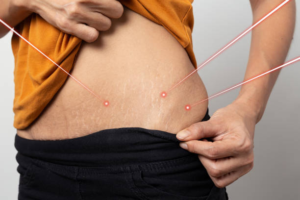
Laser Lipo Technology Explained
MinXu’s Laser Lipo offers a modern approach to fat reduction treatment. You experience a non-invasive, FDA-approved solution that focuses on safety and results. Here is how the technology works:
The device emits laser energy through a small fiber placed just under your skin.
This energy targets fat cells directly, causing them to rupture like a balloon.
The fat inside the cells turns into a liquid form.
Your body’s lymphatic system then processes and removes this liquefied fat.
The laser’s precision ensures that only fat cells are affected, leaving your surrounding tissues and organs unharmed.
You benefit from targeted fat reduction in stubborn areas, making it a popular choice for those seeking non-surgical fat removal.
Depth of Penetration
You might wonder how deep the laser energy goes during a laser lipo session. Scientific studies show that the laser interacts with specific parts of your fat tissue, heating them enough to break down fat cells. This process stays within the upper layers of your skin and fat. The heat does not reach your internal organs. The mechanism relies on thermal action, not mechanical force, so you do not need to worry about deeper structures being affected. This design keeps your organs safe while delivering effective results.
Non-Invasive vs. Minimally Invasive
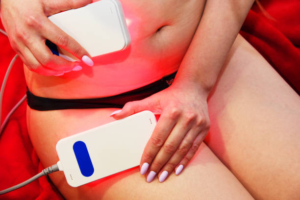
You should understand the difference between non-invasive and minimally invasive procedures before choosing a fat reduction method. The table below highlights the main differences in safety and side effects:
| Procedure Type | Invasiveness | Risks and Side Effects |
| Laser Lipo | More invasive | Post-op discomfort, bruising, swelling, infection, burns, contour irregularities. |
| CoolSculpting | Less invasive | Discomfort during treatment, temporary numbness, rare risk of paradoxical adipose hyperplasia. |
| LLLT | Non-invasive | No pain or downtime, low risk of complications, no reported side effects. |
Laser lipo stands out as a safer alternative to traditional liposuction. You face fewer serious side effects, and the procedure is considered minor surgery. If you want a comfortable, effective way to shape your body, MinXu’s Laser Lipo provides a reliable option.
Tip: Always choose FDA-approved devices and trained professionals for your laser lipo sessions. This step helps you achieve the best results and ensures your safety.
Organ Safety and Laser Lipo
How Laser Lipo Protects Organs
You may worry about the safety of non-invasive laser lipo and the possibility of damage to your internal organs. Laser lipo uses low-level laser energy that targets only the fat layer beneath your skin. Internal organs sit much deeper in your body and remain unaffected by the laser wavelengths used during treatment. Devices like MinXu’s laser lipo include strict safety control systems that regulate laser output and keep penetration depths safe.
Laser lipo targets subcutaneous fat, not deeper tissues or organs.
Temperature controls prevent overheating and reduce the risk of tissue damage.
Automatic shut-off mechanisms stop the device if unsafe conditions arise.
These features protect you from potential harm and ensure that the procedure stays focused on fat reduction. You can feel confident knowing that laser lipo avoids vital organs and minimizes the risk of damage.
FDA Approval and Device Safety
You should always look for FDA-approved devices when considering laser lipo. The FDA requires a series of safety tests before any device receives approval. This process includes:
Pre-clinical testing in a lab to collect safety and performance data.
Clinical trials with human subjects to confirm effectiveness and monitor side effects.
FDA review of all data to ensure the device meets strict safety standards.
MinXu’s laser lipo devices have passed these tests and earned FDA approval. You benefit from advanced safety controls and reliable performance. Studies show that among 1.8 million procedures with FDA-approved devices, the complication rate is only 0.04%. This low rate highlights the strong safety record and the minimal risk of organ damage.
Myth vs. Reality: Organ Damage Risk
Many people believe that laser lipo can cause organ damage. This myth often comes from confusion about how the procedure works. In reality, laser lipo targets fat cells and avoids deeper tissues and organs. The laser’s wavelength is controlled to prevent deep penetration, so you do not need to worry about potential harm to your internal organs.
Non-invasive laser lipo specifically targets fat cells, not organs.
The procedure is designed to protect deeper tissues and prevent tissue damage.
The risk of organ damage is extremely low when a qualified professional uses FDA-approved equipment.
You may hear stories about damage, but these cases usually involve improper use or non-approved devices. When you choose MinXu’s laser lipo and a trained provider, you greatly reduce the risk of complications. The laser’s energy melts fat without harming surrounding tissues, so you can trust the safety of the procedure.
Note: Always ask your provider about their training and the device’s FDA approval. This step helps you avoid potential harm and ensures a safe experience.
Risks and Side Effects
You should understand the potential risks before choosing laser lipo. Most patients experience mild effects that resolve quickly. Rare complications can occur, but you can minimize risks by selecting FDA-approved devices and qualified providers.
Common Mild Effects
Laser lipo usually causes mild side effects. These effects are temporary and do not interfere with your daily life.
Swelling and Redness
You may notice swelling and redness after your treatment. Swelling is a natural response as your body processes the liquefied fat. Redness appears as your skin reacts to the laser energy. Both symptoms fade within days or weeks.
Swelling: Your body may swell in the treated area. This usually goes away in one to two weeks.
Redness: You might see redness for a few days. It fades as your skin heals.
Bruising: Some patients report bruising. This happens when small blood vessels break. Bruising disappears within two weeks.
Note: You can return to normal activities almost immediately. Mild swelling or bruising does not last long.
Temporary Numbness
You may feel numbness in the treated area. This sensation is common and temporary. Most patients regain normal feeling within weeks. In rare cases, numbness can last longer. Studies show that 25–35% of patients experience numbness for two to six months. Only 5% report permanent loss of sensation.
Rare Complications
Rare complications are possible, but they occur at low rates. You should know these risks to make an informed decision.
Burns or Skin Injury
Skin burns are uncommon with laser lipo. FDA-approved devices like MinXu include safety controls to prevent overheating. The risk of burns or skin injury remains low. The table below shows the incidence rates for rare complications:
| Procedure Type | Incidence Rate (%) |
| LAL | 0.13 |
| SAL | 0.32 |
| UAL | 0.56 |
| PAL | 0.72 |
| RFAL | 1.64 |

You can reduce risks by avoiding outdated devices. A 2022 FDA report found that 15% of adverse events were linked to older equipment.
Infection or Scarring
Infection and scarring are rare after laser lipo. You face higher risks if you have diabetes, cardiovascular disease, or ongoing infections. Diabetic patients have three times higher rates of delayed healing and 50% more swelling. Proper hygiene and post-treatment care help prevent infection.
Tip: Always inform your provider about your medical history. This step helps reduce risks and ensures safe treatment.
You should also know about long-term side effects. Most patients do not experience lasting problems. However, skin numbness and anxiety can persist in a small number of cases. A report found a complication rate of 0.93% for laser-assisted lipolysis, with only five local complications identified.
Laser lipo offers a safe option for body contouring. You can expect mild effects and a quick recovery. Rare complications are possible, but you can minimize potential risks by choosing FDA-approved devices and skilled providers.
Who Should Consider Laser Lipo
Ideal Candidates
You may wonder if you are a good fit for laser lipo. Medical guidelines outline clear criteria for ideal candidates. If you meet these points, you are likely to see the best results:
You are close to your ideal body weight.
You maintain good overall health.
You want to remove stubborn fat pockets that do not respond to diet or exercise.
You have realistic expectations and understand that this treatment shapes your body rather than causing major weight loss.
These points help you decide if this procedure matches your goals. Laser lipo works best for people who want to contour their bodies, not for those seeking a weight-loss solution.
You should also consider a few more factors before making your decision:
You are not pregnant.
Your skin has good elasticity, which helps it adjust after fat removal.
You do not have chronic medical conditions that could affect healing.
If you check most of these boxes, you are likely to benefit from this treatment.
Who Should Avoid Laser Lipo
Some people should avoid laser lipo due to certain health risks. If you have any of the following medical conditions, you should not undergo this procedure. The table below lists common contraindications:
| Medical Condition |
| Epilepsy |
| Kidney/Renal Failure |
| Liver Failure |
| Hypertriglyceridemia |
| Hypercholesterolemia |
| Thyroid conditions |
| Pregnant or Breastfeeding |
If you see your condition listed here, you should talk to your doctor before considering any body contouring treatment. Your safety comes first.
Medical Precautions
You should always take medical precautions before starting any cosmetic procedure. Start by sharing your full medical history with your provider. This step helps your provider assess your risks and choose the safest approach for you. If you take medications or have allergies, mention these during your consultation.
Tip: Schedule a pre-treatment checkup to make sure you are healthy enough for laser lipo. This visit helps you avoid unexpected complications.
You should also follow all pre- and post-treatment instructions. These steps help your body heal and improve your results. If you notice any unusual symptoms after your session, contact your provider right away.
Laser lipo offers a safe and effective way to shape your body when you meet the right criteria and follow medical advice. Always put your health first and choose a qualified provider for the best experience.
Ensuring a Safe Laser Lipo Procedure
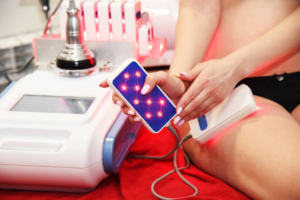
Choosing Qualified Providers
You need to select a provider who understands the technology and follows strict safety protocols. Certified professionals have the training to operate laser lipo devices correctly. They know how to adjust settings for your body type and monitor your response during treatment. Choosing a qualified technician reduces the risk of complications and helps you achieve the best results.
Certified professionals have completed specialized training.
Experienced technicians understand how to use laser lipo equipment safely.
Providers with proper credentials follow industry standards and prioritize your well-being.
Tip: Ask your provider about their certifications and experience before scheduling your appointment.
Pre- and Post-Treatment Tips
You can take steps before and after your session to make your experience smoother and safer. Following these guidelines helps you minimize risks and recover quickly.
| Pre-Treatment Steps | Description |
| No Retin-A products | Avoid Retin-A products 24 hours before treatment. |
| Avoid sun exposure | Keep your skin out of the sun and avoid sunburn for 24 hours before session. |
| Reschedule if breakout | Move your appointment if you have an active breakout or open lesions. |
| Wait after isotretinoin | Wait 6 months after using Accutane before treatment. |
| Timing with other treatments | Wait 72 hours after Botox, 1 week after fillers, 1 month after laser or peels. |
After your laser lipo session, you should follow these post-treatment care steps:
Stay hydrated and eat a balanced diet.
Start light physical activity the day after treatment and increase intensity gradually.
Wear absorbent pads over treated areas for 24-48 hours, changing them twice daily.
Use compression garments day and night until drainage stops, then continue for another 24 hours.
Manage drainage by lying on towels and using absorbent dressings for the first 36 hours.
Keep incision sites clean and apply new dressings as needed.
Avoid ice packs, heating pads, hydrogen peroxide, and soaking in water for at least 7 days.
Note: Following these steps helps you recover faster and reduces the chance of complications.
Importance of FDA-Approved Devices
You should always choose a provider who uses fda-approved technology like MinXu. These devices undergo rigorous testing to ensure safety and effectiveness. Laser lipo uses a non-invasive laser that targets fat cells while preserving your skin and deeper tissues. The technology operates on proven scientific principles and delivers precise results.
Laser lipo is an effective treatment for fat reduction without surgery.
The laser operates at a lower intensity than other medical lasers, focusing only on fat cells.
FDA-approved devices protect your skin and organs, making your experience safer.
Choosing fda-approved technology and a certified provider gives you confidence in a safe laser lipo procedure. You protect your health and maximize your results.
Callout: Always verify that your provider uses FDA-approved devices and follows recommended safety protocols.
Laser Lipo vs. Laser Liposuction
Key Differences
You may wonder how laser lipo and laser liposuction differ. Laser liposuction uses a special fiber to melt fat cells before removal. This process allows for more precise fat reduction and less trauma to your body. You will notice that laser liposuction often results in less scarring and a faster recovery than traditional liposuction. Many patients return to their normal routines within hours instead of days.
Laser liposuction works best for smaller areas of fat and offers the added benefit of skin tightening. The laser stimulates collagen production, which helps your skin look firmer after treatment. Traditional liposuction, on the other hand, is better for removing larger amounts of fat but does not tighten your skin as much. Laser liposuction gives you a more controlled and gentle experience.
Safety Comparison
Safety is a top concern for anyone considering body contouring. Laser liposuction has a lower risk of complications compared to traditional methods. The laser technique uses epinephrine to reduce bleeding and makes fat removal smoother. This means you will likely experience less discomfort and fewer side effects.
You can see the difference in complication rates in the table below:
| Technique | Complication Type | Complication Rate (%) |
| Laser-assisted liposuction | Hemorrhage | 0.13 |
| Infection | 0.13 | |
| Seroma formation | 0.13 | |
| Thermal injury | 0.13 | |
| Cutaneous necrosis | 0.13 | |
| Power-assisted liposuction | Hemorrhage | 0.72 |
| Infection | 1.34 | |
| Cutaneous necrosis | 0.72 | |
| Radiofrequency-assisted liposuction | Seroma formation | 3.93 |
| Thermal injuries/blistering | 1.64 | |
| Suction-assisted liposuction | Cutaneous irregularities | 3.36 |
Laser liposuction stands out for its lower rates of bleeding, infection, and skin injury. You also avoid many risks linked to general anesthesia because laser liposuction usually uses only local anesthesia. This reduces the chance of allergic reactions or breathing problems.
Pros and Cons
You should weigh the pros and cons before choosing a procedure. The table below highlights the main points:
| Aspect | Laser Lipo | Traditional Liposuction |
| Cost | More affordable per session | Higher single-session costs, but fewer sessions may be needed overall |
| Recovery Time | Quicker recovery, often days | Longer recovery, may take weeks |
| Invasiveness | Less invasive, usually local anesthesia | More invasive, requires general anesthesia |
| Complication Rates | Fewer serious complications | Higher risk of complications like DVT and contour irregularities |
| Long-Term Outcomes | Promising results with proper technique | More data available due to longer history |
Laser liposuction lets you return to work within days. Traditional liposuction may require a week or more before you resume normal activities. Laser liposuction is less invasive and usually needs only local anesthesia. This means you avoid some risks of general anesthesia. However, you may still experience minor burns or skin irritation from the laser. Traditional liposuction carries a higher risk of bleeding, infection, and complications like deep vein thrombosis.
Tip: If you want a gentle, precise treatment with less downtime, laser liposuction may be the right choice for you.
You can feel confident that laser lipo, especially with FDA-approved devices like MinXu, protects your internal organs. The technology uses low-level energy and targets only superficial fat cells. Built-in safety features keep the procedure safe for you.
| Evidence Type | Description |
| Energy Level | Low-level, non-thermal energy does not harm internal organs. |
| Penetration Depth | Laser targets fat cells above internal organs. |
| Built-in Safety Features | Temperature and output regulation ensure safe operation. |
You should always consult certified professionals and schedule a pre-procedure consultation. Choose qualified providers and follow safety guidelines. Discuss your medical history to confirm you are a good candidate. Stay hydrated and expect mild, temporary side effects.
Certified professionals help ensure your safety.
Pre-procedure consultation evaluates your health.
Following guidelines minimizes risks.
Remember: Choosing reputable brands and trained providers gives you the best results and peace of mind.
FAQ
Is laser lipo painful?
You may feel mild discomfort during the procedure. Most patients describe the sensation as warm or tingling. You do not need anesthesia for non-invasive laser lipo.
How long does a laser lipo session take?
A typical session lasts 20 to 40 minutes. You can return to your daily activities right after treatment.
When will I see results from laser lipo?
You may notice changes within a week. Most patients see full results after four to six weeks as your body removes the liquefied fat.
Can laser lipo treat all body areas?
You can target areas like the abdomen, thighs, hips, arms, and chin. Your provider will help you choose the best spots for treatment.
Are there any restrictions after laser lipo?
You should avoid intense exercise for 24 hours. Drink plenty of water and follow your provider’s post-care instructions for best results.
How many sessions will I need?
You may need three to six sessions for optimal results. Your provider will create a plan based on your goals and body type.
Is laser lipo safe for people with medical conditions?
You should consult your doctor if you have health issues. Some conditions, like pregnancy or kidney disease, may prevent you from having laser lipo.
What makes MinXu’s laser lipo different?
MinXu’s FDA-approved devices offer advanced safety features and precise fat targeting. You benefit from fewer complications and higher satisfaction rates.
Discover more from Minxu
Subscribe to get the latest posts sent to your email.