
Contents

You want long-lasting hair removal that saves time and delivers smooth skin. Diode laser stands out as the better option because it offers precise targeting and efficient results with fewer sessions. MinXu Diode Laser Hair Removal uses advanced technology to focus on melanin in hair follicles. Many people choose diode laser for its safety and comfort features. IPL works for hair removal, but diode laser gives you more reliable outcomes.
Key Takeaways
Diode laser hair removal is more effective than IPL, providing lasting results with fewer treatment sessions.
Diode laser technology is safe for all skin types, including darker tones, reducing the risk of side effects.
Choose diode laser for a more comfortable experience, as it uses advanced cooling systems to minimize pain.
While diode laser treatments may cost more per session, they require fewer sessions overall, making them more cost-effective in the long run.
Consult a professional to determine the best hair removal method based on your skin type and hair color for optimal results.
Diode Laser Technology
How Diode Laser Works
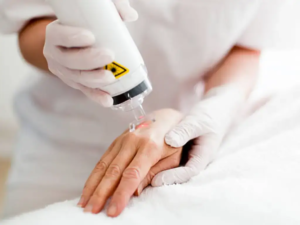
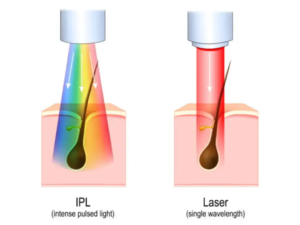
You can achieve long-lasting hair reduction with diode laser technology. This method uses a single, focused wavelength of light—usually 810 nm. The light energy targets melanin in your hair follicles. The process, called selective photothermolysis, destroys the hair at its root while protecting your skin. The 810 nm wavelength penetrates deep into the skin and works well for many skin types. This makes diode laser an effective technology for hair removal.
Professional laser hair removal machines like the MinXu Diode Laser Hair Removal system use advanced features to deliver safe and consistent results. The FDA has approved this type of laser for hair reduction, even on darker skin tones. You get a treatment that is both powerful and gentle.
Key Benefits
You will notice several advantages when you choose diode laser for hair removal. Here is a quick comparison between diode laser and IPL:
| Feature | Diode Laser Hair Removal | IPL Hair Removal |
| Technology | Single wavelength of light | Broad spectrum of light |
| Effectiveness | More effective due to focused energy | Less effective due to unfocused energy |
| Safety | Safe for all skin types | Higher risk of side effects |
| Comfort | More comfortable with cooling systems | Less comfortable |
| Treatment Sessions | Fewer sessions needed | More sessions needed |
You benefit from high quality diode lasers that offer integrated cooling systems. The MinXu system, for example, uses a six-level refrigeration system to keep your skin comfortable. You can trust the safety of these devices because they meet CE, FDA, MSDS, and RoHS standards.
Tip: If you want fewer sessions and lasting results, diode laser hair removal technologies offer clear advantages over IPL.
You gain the advantages of precision, safety, and comfort. These laser hair removal technologies give you smooth skin with less hassle. You can rely on the advantages of diode laser for a more efficient and satisfying experience.
IPL Laser Hair Removal
How IPL Works
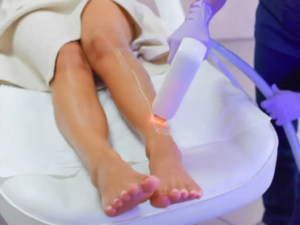
You may have heard of intense pulsed light as a popular method for hair reduction. IPL hair removal uses a high-output flashlamp to emit a broad spectrum of light, usually ranging from 500 nm to 1200 nm. This wide range of wavelengths targets the melanin in your hair follicles. When the light energy gets absorbed by the melanin, it heats and damages the follicle, which helps reduce hair growth over time. Unlike diode lasers, which use a single, focused wavelength, IPL laser hair removal uses divergent light that is less precise. Filters can narrow the wavelength range for specific treatments, but the light remains less targeted than a laser.
Pros and Cons
When you consider IPL hair removal, you should weigh the advantages and disadvantages of IPL compared to other methods. IPL stands out for its versatility. You can use it not only for hair removal but also for treating pigmentation, acne, and vascular lesions. IPL works best if you have lighter skin and darker hair, but it can be less effective for darker skin tones.
Here is a quick comparison to help you understand the differences:
| Category | Diode Laser | IPL |
| Effectiveness | Works on all skin types | Less effective for darker skin tones |
| Pain Level | Less pain | Can feel hotter or prickly |
| Cost | Higher initial cost | Generally less expensive |
| Treatment Frequency | Fewer sessions needed | More frequent treatments needed |
You may find IPL hair removal more affordable, but you will likely need more sessions to see lasting results. Some disadvantages include the need for regular maintenance and the possibility of feeling heat or a prickly sensation during treatment. IPL can also be less precise, which may lead to less consistent results.
Note: If you want a multi-functional device for both hair removal and skin treatments, intense pulsed light offers flexibility. However, you should consider the disadvantages, such as more frequent treatments and less effectiveness for certain skin types.
Comparing Effectiveness
Results and Longevity
You want a long-term solution for unwanted hair. When comparing effectiveness, diode laser stands out as the top choice for lasting results. Diode laser uses a precise wavelength that targets the hair follicle directly. This precision leads to higher rates of hair reduction and more permanent outcomes. IPL hair removal uses a broad spectrum of light, which can treat larger areas but often lacks the same level of accuracy. You may see satisfactory results with IPL, but the effects usually fade faster and require more maintenance.
Clinical studies show clear differences in results and longevity between these methods. Diode laser achieves a higher hair reduction rate and delivers more consistent outcomes. IPL hair removal often works well for lighter skin and darker hair, but it is less effective for darker skin tones and may not provide the same long-term benefits.
| Treatment Type | Hair Reduction Rate | Sessions Required |
| Diode Laser | 92% | Fewer |
| IPL | 70% | More |
After four sessions, diode laser can reduce hair by 62-64%. IPL usually achieves about 48% reduction in the same period. You get faster and more permanent results with diode laser. IPL treatments typically result in 45-75% hair reduction, but you may need to return for touch-ups.
Note: Diode laser provides superior consistency and faster sessions. You experience higher satisfaction and longer-lasting smooth skin.
Number of Sessions
You want to know how many sessions you need for optimal results. Diode laser usually requires fewer treatments than IPL. You can expect to complete 6–8 sessions with diode laser. IPL hair removal often takes 8–10 sessions to reach similar results. This difference means you save time and effort with diode laser.
| Hair Removal Method | Sessions Required |
| Diode Laser | 6–8 |
| IPL | 8–10 |
Here are the main points to remember:
Diode laser is effective for long-term hair reduction.
You need fewer treatment sessions compared to IPL for desired results.
IPL hair removal typically requires more frequent visits.
Patient satisfaction rates also reflect these differences. Diode laser offers higher satisfaction because you see consistent results and spend less time in treatment. IPL may feel less consistent and require more maintenance.
| Treatment Type | Patient Satisfaction | Key Features |
| Diode Laser | Higher | Superior consistency, faster sessions |
| IPL | Lower | Less consistent results |
You benefit from choosing diode laser if you want a long-term solution with fewer sessions and lasting results. IPL can work for some people, but you may need more treatments and experience less consistent outcomes.
Safety and Comfort
Pain and Sensation
You may wonder how hair removal feels during treatment. Diode laser devices often provide a more comfortable experience because they use advanced cooling technologies. Many handpieces feature sapphire or chill tips that cool your skin before, during, and after each pulse. Some systems use air cooling or “In-Motion” techniques, which move the handpiece over your skin and deliver gentle pulses. You usually feel warmth instead of sharp pain. For sensitive areas, you can apply topical numbing creams, but modern cooling systems often make this unnecessary.
Let’s look at a usage experience comparison:
| Hair Removal Method | Pain Score (0-10) | Sensation Description |
| IPL | 5.7 | Generalized stinging sensation |
| Nd:YAG laser | 6.9 | Intense ache or snapping sensation |
| Diode laser | N/A | More comfortable due to cooling tech |
You see that diode laser stands out for comfort. IPL treatments can feel hotter or prickly, while diode laser treatments feel gentler.
Tip: Cooling technology in diode laser devices helps you enjoy a smoother, less painful session.
Side Effects
You should know about possible side effects. Both methods can cause temporary issues like sensitivity, redness (erythema), burns, or pigment changes. Erythema happens more often after many treatments. Burns are more common in early sessions but decrease as you continue. Hyperpigmentation can affect darker skin, especially with IPL.
Common side effects include sensitivity, erythema, hyperpigmentation, and burns.
Erythema occurs in over half of patients after more than six treatments.
Burns are reported by more than half of patients with fewer than six treatments.
Hyperpigmentation affects about 28% of black skin patients.
IPL treatments can cause blistering and pigment changes, especially in darker skin. The broad spectrum of light from IPL increases heating in the skin, raising the risk of burns and hyperpigmentation. Diode laser hair removal is safer for all skin types and lowers these risks.
You gain peace of mind with diode laser because it minimizes side effects and maximizes comfort. When you weigh the advantages and disadvantages of diode lasers, you see that safety and comfort make a big difference.
Suitability
Skin Types
You need to know which skin types respond best to hair removal treatments. Diode laser technology works well for a wide range of skin tones. You can use it safely if your skin falls anywhere from Fitzpatrick type I (very fair) to type VI (very dark). This broad suitability makes diode laser a top choice for many people. The focused wavelength targets melanin in the hair follicle without harming surrounding skin. You get effective results and a safer experience, especially if you have darker skin.
IPL is more suitable for lighter to medium skin tones. If your skin is Fitzpatrick type I, II, or III, you may see good results. However, IPL can cause burns or pigment changes in darker skin because it uses a broad spectrum of light. You should avoid IPL if your skin is dark or prone to hyperpigmentation.
| Hair Removal Method | Suitable Fitzpatrick Skin Types |
| Diode Laser | I–VI |
| IPL | Light-to-medium tones (I–III) |
Tip: Diode laser is safer and more effective for darker skin tones. You reduce your risk of side effects and get better results.
Hair Types
You also need to consider your hair color and thickness. Diode laser works best on coarse, dark hair. You see high effectiveness because the laser targets melanin in thick hair follicles. If you have fine hair, you can still get results with repeated sessions. Light-colored hair, such as blonde or gray, responds less well to diode laser.
IPL is less effective for coarse, dark hair and fine hair. You may not see lasting results if your hair is light or thin. IPL is not recommended for light hair because the broad spectrum of light does not target melanin as precisely.
| Hair Type | Diode Laser Effectiveness | IPL Effectiveness |
| Coarse Dark Hair | Highly Effective | Less Effective |
| Fine Hair | Effective with Repeated Use | Less Effective |
| Light Hair | Less Effective | Not Recommended |
You benefit most from diode laser if you have darker hair and lighter skin. You get lasting results and fewer side effects. IPL offers versatility for skin treatments but is less effective for long-term hair removal.
Cost and Convenience
Treatment Costs
When you look at hair removal options, cost plays a big role in your decision. Diode laser treatments usually cost more per session than IPL. On average, you pay between $200 and $300 for each diode laser session. IPL sessions are marketed as significantly cheaper, but exact prices can vary by provider.
Here is a quick comparison:
| Hair Removal Type | Average Cost per Session |
| Diode Laser | $200 – $300 |
| IPL | Lower (varies) |
You also need to consider the total cost for a full course of treatments. Diode laser hair removal often requires fewer sessions, but the total cost can range from $3,000 to $6,000 for common treatment areas. IPL may seem less expensive at first, with a full course costing between $200 and $500. However, IPL usually needs more sessions and ongoing maintenance.
| Treatment Type | Estimated Total Cost (Full Course) | Sessions Needed |
| Diode Laser Hair Removal | $3,000–$6,000 | 6–8 |
| IPL Hair Removal | $200–$500 | 10–12+ (with maintenance) |
Note: While IPL appears cheaper, you may spend more time and money on maintenance sessions over the years.
Time Commitment
You want a hair removal method that fits your busy schedule. Diode laser treatments save you time because you need fewer sessions. Most people complete 6 to 8 sessions, spaced 4 to 6 weeks apart. IPL requires 8 to 12 sessions, also spaced 4 to 6 weeks apart. This means you finish your diode laser treatments faster.
| Hair Removal Method | Number of Sessions | Session Spacing |
| Diode Laser | 6 to 8 | 4–6 weeks apart |
| IPL | 8 to 12 | 4–6 weeks apart |
Diode laser devices also treat larger areas quickly. You spend less time in each appointment, and you reach your hair-free goals sooner. If you want a convenient and efficient solution, diode laser hair removal offers clear advantages.
How to Choose
Factors to Consider
You want the best hair removal method for your needs. Start by looking at the most important factors:
Effectiveness: Diode lasers use a single wavelength that targets melanin in hair follicles. This leads to strong hair reduction and more permanent results. You see faster outcomes and need fewer treatments.
Safety: Diode lasers work well on many skin types, including darker tones. Cooling systems protect your skin and make treatments comfortable. IPL uses a broad spectrum of light, which can cause burns or pigmentation changes, especially on darker skin.
Comfort: Diode laser treatments feel gentler because of cooling technology. You experience less discomfort during each session.
Suitability: Diode lasers treat a wide range of skin types and hair colors. IPL is more versatile for skin treatments but less effective for long-term hair removal.
Cost: Diode lasers may cost more at first, but you save money over time with fewer sessions and lower maintenance. IPL devices often need regular replacement parts, which increases costs.
Tip: Think about your skin tone, hair color, and how much time you want to spend on treatments. Diode lasers offer lasting results and comfort for most people.
Professional Advice
You should talk to a specialist before making your choice. Professionals use the Fitzpatrick scale to check your skin type. They match the right wavelength to your skin and hair color. This helps avoid side effects and gives you the best results.
Dermatologists often recommend diode laser for fast sessions, predictable outcomes, and strong satisfaction. You get consistent results and fewer treatments. IPL works well if you want mixed skin treatments or have a limited budget.
| Criteria | Diode Laser | IPL |
| Consistency | Superior and predictable | Less consistent |
| Session Speed | Fast | Slower |
| Skin Type Suitability | Wide range (I–VI) | Mostly lighter skin types |
| Cost Efficiency | Fewer consumables, strong resale | Higher ongoing costs |
| Treatment Frequency | Fewer treatments needed | More regular treatments |
You make the best choice by considering your goals and consulting a professional. Safety features like cooling systems and adjustable settings help you enjoy effective and comfortable treatments.
You get superior results with diode laser for long-lasting hair removal. Clinical studies show it offers higher comfort, strong efficacy, and safety for many skin types compared to ipl. See the comparison below:
| Feature | Diode Laser | IPL |
| Efficacy | High | Variable |
| Comfort | Higher | Lower |
| Safety | Strong | Variable |
Consider your skin type, hair color, and budget before choosing. Always consult a professional for the best plan. Remember to protect your skin after treatment by avoiding sun and using cool compresses.
FAQ
How long do diode laser hair removal results last?
You can enjoy smooth skin for months or years after completing your sessions. Most people see permanent hair reduction. Occasional touch-ups may help maintain results.
Is diode laser hair removal safe for all skin types?
You can use diode laser on many skin tones. Advanced devices like MinXu offer cooling technology that protects your skin and increases comfort.
Does hair removal with diode laser hurt?
You may feel warmth or mild tingling. Cooling systems reduce discomfort. Most users describe the sensation as tolerable and less painful than waxing.
How many sessions do you need for best results?
You usually need 6 to 8 sessions for optimal hair reduction. The number depends on your hair color, skin type, and treatment area.
Can you use diode laser hair removal at home?
You can find home devices, but professional treatments give you better results. Clinics use advanced machines that provide stronger, safer, and more consistent outcomes.
Discover more from Minxu
Subscribe to get the latest posts sent to your email.