

Contents
- 1 Key Takeaways
- 2 Fractional CO2 Laser: What to Expect
- 3 Understanding Fractional CO2 Laser
- 4 Preparing for Treatment
- 5 The Treatment Process
- 6 Fractional CO2 Laser Recovery Timeline
- 7 Before and After Results
- 8 Aftercare and Maintenance
- 9 Risks and Side Effects
- 10 Comparing Alternatives
- 11 Maximizing Results
- 12 FAQ
- 12.1 How soon will I see results after Fractional CO2 Laser treatment?
- 12.2 Is Fractional CO2 Laser safe for all skin types?
- 12.3 How long does recovery take?
- 12.4 Can I wear makeup after my treatment?
- 12.5 What should I avoid after Fractional CO2 Laser?
- 12.6 How many sessions will I need?
- 12.7 Does the treatment hurt?
- 12.8 Can Fractional CO2 Laser treat deep acne scars?
- 13 Contact Us Now!

You want to know what recovery and results from a Fractional CO2 Laser really look like. Most people share your curiosity and even concerns about the healing process and the changes you can expect. Real data shows that 96% of patients report satisfaction with their outcomes, with over half feeling very satisfied.
| Satisfaction Level | Number of Patients | Percentage |
| Very Satisfied | 58 | 55.8% |
| Satisfied | 26 | 25.0% |
| Slightly Satisfied | 12 | 11.5% |
Choosing a trusted device, like the one from MinXu, ensures you get both safety and great results. Use this guide to make smart choices for your skin rejuvenation journey.
Key Takeaways
96% of patients report satisfaction with Fractional CO2 Laser results, with over half feeling very satisfied.
Expect redness and swelling immediately after treatment; these are signs of the healing process starting.
Keep your skin moisturized and follow aftercare instructions to speed up healing and reduce complications.
Short-term results include tighter skin and fading fine lines; long-term improvements can last up to a year.
Proper pre-treatment skincare, like using gentle cleansers and moisturizers, prepares your skin for better results.
Sun protection is crucial after treatment; use SPF 30 or higher to prevent pigmentation changes.
Avoid harsh products and sun exposure for at least two weeks before and after treatment to ensure safe recovery.
Regular maintenance treatments can help sustain your results and keep your skin looking youthful.
Fractional CO2 Laser: What to Expect
Real Recovery Overview
When you choose a Fractional CO2 Laser treatment, you start a journey that transforms your skin from the inside out. Right after your session, you will notice redness and swelling. These reactions show that your skin has begun the healing process. Some people also see light bleeding or oozing in the first day or two. This is normal and signals that the laser has reached the deeper layers of your skin to stimulate new collagen production.
You may feel warmth or tightness in the treated area. Most people describe this as similar to a sunburn. Over the next few days, your skin will form a crust or scab as it repairs itself. This stage can last up to a week. You should avoid picking at your skin to prevent scarring and support healthy recovery.
Tip: Keep your skin moisturized and follow your provider’s aftercare instructions closely. This helps speed up healing and reduces the risk of complications.
MinXu’s Fractional CO2 Laser uses advanced technology to target only small zones of skin at a time. This fractional approach means you heal faster than with older, fully ablative lasers. You can expect most of the redness and swelling to fade within two weeks, though some mild redness may linger for up to two months.
Short-Term and Long-Term Results
In the short term, you will see your skin tighten as collagen contracts. This effect becomes noticeable within the first month. As your skin continues to heal, you will observe smoother texture and a more even tone. Many people notice that fine lines and acne scars begin to fade as new skin cells replace the old, damaged ones.
Long-term results develop as your body produces more collagen. Over the next three to six months, your skin will look firmer and more youthful. Studies show that improvements continue for up to a year after treatment. You may also see a reduction in sun damage and pigmentation issues.
Some people experience facial redness (erythema) for several weeks, and about one-third may notice temporary darkening of the skin (hyperpigmentation). These effects usually resolve on their own. If you have concerns, consult your provider for guidance.
MinXu’s commitment to safety and efficacy means you can trust the process. Their FDA and CE-certified devices ensure you receive reliable results with minimal risk. By following proper aftercare and protecting your skin from the sun, you help maintain your results and enjoy the benefits of skin rejuvenation for years to come.
Understanding Fractional CO2 Laser
How It Works
You might wonder how the Fractional CO2 Laser transforms your skin. This advanced technology uses a focused carbon dioxide laser to create thousands of tiny, controlled injuries in your skin. Each microscopic zone triggers your body’s natural healing response. As your skin repairs itself, it increases collagen production in the deeper layers. Collagen is a protein that gives your skin strength and firmness. When your body makes more collagen, your skin becomes thicker, smoother, and more elastic. Over time, you will notice fewer wrinkles, improved skin texture, and a more even tone. This process also helps reduce the effects of sun damage and aging. Most people experience only mild, temporary side effects, making this a safe and effective option for skin resurfacing.
Tip: Collagen stimulation continues for months after your treatment, so your skin keeps improving long after your session.
What It Treats
The Fractional CO2 Laser can address a wide range of skin concerns. You can use it to treat acne scars, deep wrinkles, and uneven pigmentation. It also works well for skin rejuvenation and certain skin conditions that affect texture and tone. The table below shows some of the most common uses and their effectiveness:
| Skin Condition | Effectiveness of Treatment |
| Acanthosis Nigricans | Improves the condition by removing thin layers of skin, leading to collagen remodeling and better texture. |
| Acne Scars | Shows significant improvement, high patient satisfaction, and minimal side effects. |
| Skin Rejuvenation | Provides effective and safe results, with higher satisfaction compared to other treatments. |
You can see that this laser is a versatile tool for anyone looking to improve their skin’s appearance and health.
Why Choose MinXu
When you select a device for your treatment, safety and quality should come first. MinXu’s Fractional CO2 Laser holds both FDA 510(k) and CE (MDR) certifications. These certifications mean the device meets strict safety and quality standards in both the United States and Europe. You can trust that your provider uses equipment that has passed rigorous testing and quality checks. This focus on safety helps reduce risks and gives you peace of mind during your skin rejuvenation journey.
| Certification | Impact on Patient Safety |
| FDA 510(k) | Meets U.S. safety standards, lowering operational risks. |
| CE (MDR) | Follows European regulations, ensuring high-quality and safe treatments. |
MinXu’s commitment to excellence makes it a top choice for clinics and individuals who want reliable, effective results for all skin types.
Preparing for Treatment
Pre-Treatment Skincare
You can set yourself up for the best results by following a focused skincare routine before your procedure. Dermatologists recommend that you:
Switch to a gentle cleanser and a rich moisturizer to support your skin barrier.
Focus on hydration and barrier repair to help your skin recover faster.
Use niacinamide to calm inflammation and strengthen your skin.
Add peptides to your routine for early collagen support.
Apply hyaluronic acid for extra plumping and hydration.
Consider antioxidants like vitamin C if your skin is not sensitive.
These steps help your skin become more resilient and ready for the Fractional CO2 Laser. Keeping your skin healthy before treatment can lead to a smoother recovery and better results.
Tip: Hydrated and calm skin responds better to laser treatments and heals more quickly.
Consultation Essentials
A thorough consultation with your provider ensures you are a good candidate and helps you understand what to expect. Here are the essential elements discussed during a professional consultation:
| Essential Element | Description |
| Patient Selection | Ideal candidates are usually 40–60 years old with lighter skin tones and specific skin concerns. |
| Contraindications | Active cold sores, recent sunburn, pregnancy, and breastfeeding are reasons to delay treatment. |
| Treatment Parameters | Settings depend on your wrinkle depth and risk for pigmentation changes. |
| Complementary Treatments | Combining laser with other options like IPL or neuromodulators can boost your results. |
| Pain Management | Topical anesthetics help keep you comfortable during the procedure. |
You should share your full medical history, including any history of shingles or herpes in the treatment area. This helps your provider plan for safe and effective care.
What to Avoid Beforehand
Certain habits and products can affect your skin’s response to treatment. To protect your skin and get the best outcome, you should:
Avoid tanning or heavy sun exposure for at least two weeks before your session.
Use a broad-spectrum mineral sunscreen with SPF 30 or higher every day.
Stop using retinoids and strong acids, such as retinol or glycolic acid, 7 to 10 days before your appointment.
Discontinue medications that cause sun sensitivity, like doxycycline, at least three days before treatment.
Stay away from high heat, blood thinners, and alcohol.
Refrain from touching or picking at your skin.
Following these guidelines helps reduce the risk of irritation and complications. Your provider will give you a personalized list based on your skin type and health history.
Note: Careful preparation leads to a safer procedure and a smoother recovery.
The Treatment Process
What Happens During
When you arrive for your Fractional CO2 Laser session, your provider will guide you through each step. The process begins with a review of your skin and a final check to confirm you are ready for treatment. You will then move to a clean, comfortable treatment room. Your provider will cleanse your skin to remove any oils or residue. Next, a numbing cream or local anesthesia will be applied to help you stay comfortable.
Here is a simple overview of the steps you can expect:
| Step Number | Step Description |
| 1 | Consultation with a qualified dermatologist or cosmetic surgeon to assess skin condition and treatment suitability. |
| 2 | Preparation of the skin through cleansing and application of numbing cream or local anesthesia. |
| 3 | The procedure involves the CO2 fractional laser emitting beams to create microthermal zones, stimulating collagen production. |
| 4 | Post-treatment care includes managing redness and following care instructions to promote healing. |
After your skin is numb, your provider will use the laser handpiece to deliver precise beams of light to the targeted areas. The laser creates thousands of tiny columns in your skin, called microthermal zones. These zones trigger your body’s natural healing response and boost collagen production. The provider will move the device methodically to cover the entire treatment area. This approach allows for even skin resurfacing and effective results.
Tip: You can ask your provider to explain each step as they go. This helps you feel more relaxed and informed during the procedure.
Sensations and Duration
During the laser procedure, you may notice a series of quick, warm sensations. Many people compare the feeling to small snaps or a prickling warmth on the skin. The numbing cream helps reduce discomfort, but you might still feel mild stinging or heat.
Here is what most patients report:
| Sensation Description | Duration |
| Mildly uncomfortable, compared to quick snaps or warm prickling | A few hours of sunburn-like sensation followed by up to 10 days of mild tenderness |
The actual laser treatment usually takes between 20 and 60 minutes, depending on the size of the area. After the session, your skin will feel warm and tight, similar to a sunburn. This sensation fades within a few hours, but mild tenderness can last up to 10 days as your skin heals.
You should plan for some downtime after your appointment. Redness, swelling, and a sunburn-like feeling are common. Your provider will give you detailed aftercare instructions to help you manage these effects and support your recovery.
Note: Staying hydrated and following your aftercare plan will help your skin heal faster and more comfortably.
Fractional CO2 Laser Recovery Timeline

Image Source: unsplash
Day 1: Immediate Effects
Redness and Swelling
You will notice several changes right after your Fractional CO2 Laser treatment. Your skin reacts quickly, showing signs that healing has started. Most people experience:
Short-term postoperative erythema, which means your skin turns red.
Light crusting begins to form as your skin starts to repair itself.
A raw, sunburn-like sensation covers the treated area.
These effects signal that your skin is responding to the laser and preparing for recovery. You may feel warmth and tightness, which is normal after skin resurfacing.
Initial Care Steps
Your provider will guide you through the first steps of post-laser care. You should focus on keeping your skin clean and protected. Here are some essential actions:
Apply a gentle, doctor-recommended moisturizer to keep your skin hydrated.
Use cool compresses to soothe discomfort and reduce swelling.
Avoid touching, rubbing, or picking at your skin to prevent infection and scarring.
Follow your provider’s instructions for cleansing and aftercare.
Tip: Stay indoors and avoid direct sunlight. Sun exposure can worsen redness and delay healing.
Days 2-3: Peak Symptoms
Oozing and Crusting
During the second and third days, your skin reaches the peak of its healing response. You may see:
Swelling increases and becomes more noticeable.
Crusting forms over the treated areas.
Tightness and stiffness develop as your skin repairs itself.
Itching starts, which is a sign of healing.
Oozing continues, especially in areas where the laser penetrated deeply.
These symptoms are common after laser treatment. Your skin works hard to rebuild and protect itself.
Managing Discomfort
You can manage discomfort by following a few simple steps:
Use prescribed ointments to keep the skin moist and reduce irritation.
Apply cool compresses to relieve itching and swelling.
Avoid scratching or picking at crusts to prevent scarring.
Take over-the-counter pain relievers if your provider approves.
Note: Itching and tightness show that your skin is healing. Stay patient and follow your aftercare plan.
Days 4-7: Healing Progress
Peeling and Texture Changes
Your skin enters a new phase between days four and seven. The outer layer starts to exfoliate, revealing fresh, pink skin underneath. You may notice:
Peeling begins around days four and five, exposing smoother skin.
The new skin looks pink or slightly red but feels softer.
Most peeling subsides by days six and seven, and your skin appears younger.
You should use dilute vinegar and water compresses to help with exfoliation. Avoid rubbing or picking at your skin to protect the healing tissue.
When to Resume Skincare
You can start gentle skincare routines as peeling slows down. Here are some guidelines:
Begin using mild cleansers and moisturizers recommended by your provider.
Apply sunscreen daily to protect new skin from UV damage.
Use makeup to cover pinkness if your provider approves.
Avoid harsh products like retinoids or acids until your skin fully recovers.
Reminder: Sunscreen is essential for maintaining your results and preventing pigmentation changes.
Your skin continues to heal and improve. Collagen production increases beneath the surface, supporting long-term skin rejuvenation.
Days 8-14: Fading Redness
During days eight to fourteen, you will see your redness start to fade. Your skin will look less inflamed and feel less sensitive. Most of the swelling will disappear. You may notice a pink or light red tone, especially if you have fair skin. This color means your skin is still healing and producing new collagen. You might also see some mild flaking or dryness as your skin continues to renew itself.
You should continue gentle skincare. Use a mild cleanser and a rich moisturizer. These products help your skin barrier recover. You may still feel some tightness, but this will improve each day. Avoid harsh scrubs or exfoliants. Your skin needs time to rebuild after laser resurfacing.
Makeup and Sun Protection
You can usually start wearing makeup again during this stage. Choose mineral-based or non-comedogenic products. These options are less likely to irritate your healing skin. Always check with your provider before applying makeup for the first time after treatment.
Sun protection becomes even more important now. Your new skin is sensitive to ultraviolet (UV) rays. Use a broad-spectrum sunscreen with SPF 30 or higher every day. Reapply sunscreen every two hours if you go outside. Wear a wide-brimmed hat and seek shade when possible.
Tip: Sun exposure can cause hyperpigmentation and slow your recovery. Protect your skin to maintain your results.
Here is a simple checklist for this phase:
Use gentle skincare products.
Apply sunscreen daily, even on cloudy days.
Wear protective clothing and hats outdoors.
Ask your provider before using makeup.
Avoid direct sun exposure as much as possible.
Weeks 3-4: Visible Improvements
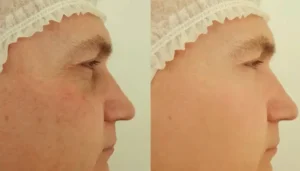
You will start to see real changes in your skin during weeks three and four. The redness will continue to fade. Your skin will look brighter and more even. Many people notice that their pores appear smaller. Fine lines and acne scars will look softer. Your skin will feel smoother to the touch.
Skin Tone and Texture
Your skin tone will become more uniform. Areas of discoloration or sun damage will lighten. You may see a healthy glow as new skin cells replace the old ones. Collagen production will continue beneath the surface. This process helps your skin look firmer and more youthful.
You should continue your gentle skincare routine. Moisturize daily to support healing. Keep using sunscreen to protect your results. You can add antioxidant serums, like vitamin C, if your provider approves. These products help fight free radicals and support skin rejuvenation.
Note: Consistency with aftercare and sun protection will help you achieve the best possible outcome.
3-6 Months: Final Results
By three to six months after your Fractional CO2 Laser treatment, you will see the full benefits. Your skin will look smoother, firmer, and more radiant. Deep wrinkles and acne scars will appear much less noticeable. Pigmentation will even out, and your overall complexion will improve.
Collagen remodeling continues for several months. This means your skin will keep getting better over time. You may notice that your skin feels thicker and more elastic. Many people report that their skin looks years younger.
Here is a summary table of what you can expect:
| Timeframe | Key Changes Observed |
| 3 Months | Smoother texture, reduced fine lines |
| 4-5 Months | Improved firmness, fading scars |
| 6 Months | Even tone, youthful glow, lasting results |
You should maintain your results with a good skincare routine. Use sunscreen every day. Avoid tanning beds and harsh treatments. Schedule follow-up visits with your provider to monitor your progress.
Reminder: Long-term results depend on your commitment to aftercare and sun protection. Healthy habits will help you enjoy your rejuvenated skin for years.
Before and After Results
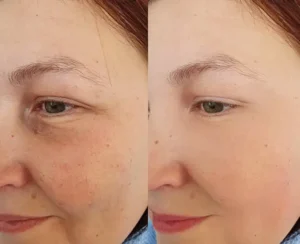
What Changes to Expect
When you look at before and after photos of people who have had Fractional CO2 Laser treatments, you will notice clear improvements in their skin. In the first one to two months, you can expect smoother skin and a reduction in superficial flaws like pigmentation and fine lines. Over time, your skin will continue to change. By three to twelve months, you will see firmer, more elastic skin and a visible reduction in the depth of scars. These changes happen because the laser boosts collagen production and helps your skin repair itself.
Here is a table that shows the typical changes you might see:
| Time Frame | Observed Changes |
| Short-Term (1–2 Months) | Smoother texture, fewer fine lines, less pigmentation |
| Long-Term (3–12 Months) | Firmer skin, better elasticity, reduced scar depth |
You may also notice these improvements:
Fine lines and wrinkles look softer
Skin tone and texture become more even
Pigmentation spots fade
Your skin appears brighter and more youthful
Treated areas blend in with the rest of your face
Tip: Take your own before and after photos to track your progress. This helps you see subtle changes over time.
Realistic Outcomes for Scars and Wrinkles
You can expect real progress in the appearance of scars and wrinkles after your treatment. The laser targets damaged skin and leaves healthy tissue untouched, which means you heal faster and with fewer risks. Most people see a big difference in fine lines, wrinkles, and acne scars. Your skin will look smoother and feel firmer as new collagen forms.
Here is a summary of what you can expect from your treatment:
| Benefit | Description |
| Reduced Recovery Time | Faster healing with less downtime |
| Less Risk of Complications | Healthy skin remains, lowering the chance of side effects |
| Customizable Treatment | Your provider can adjust the settings for your unique skin needs |
| Long-term Results | Skin keeps improving as collagen builds over several months |
| Best Candidates | Works well for fine lines, wrinkles, scars, and uneven skin tone |
You should know that results vary from person to person. Some people see dramatic changes after one session, while others need more treatments for deep scars or wrinkles. The best results come when you follow your aftercare plan and protect your skin from the sun.
How Many Sessions Needed
The number of sessions you need depends on your skin goals and the type of treatment. If you choose a high-energy treatment, you may need three to five sessions. For low-energy treatments, five to eight sessions may be best. People with acne scars often see good results after two to four sessions.
Here is a quick guide:
| Treatment Type | Sessions Required |
| High-energy | 3–5 |
| Low-energy | 5–8 |
For acne scars, most experts recommend at least two sessions, but some people may need up to four.
Your provider will help you decide the right number of sessions for your skin. Each session builds on the last, so you see steady improvement with each visit.
Note: Give your skin time to heal between sessions. This helps you get the best results from your Fractional CO2 Laser treatment.
Aftercare and Maintenance
Essential Do’s and Don’ts
Proper aftercare is the key to achieving the best results from your Fractional CO2 Laser treatment. You need to follow your provider’s instructions closely and use high-quality, doctor-approved products. This helps your skin heal faster and reduces the risk of complications. Here is a table that summarizes the most important aftercare practices:
| Aftercare Practice | Description |
| Sun Protection | Apply SPF 30+ daily, especially in high UV areas. |
| Gentle Skincare | Use a gentle, fragrance-free cleanser and avoid scrubbing. |
| Hydration | Keep your skin hydrated with soothing ointments or barrier repair creams. |
| Avoid Sun Exposure | Stay out of the sun during the initial recovery phase. |
| Avoid Makeup | Let your skin breathe and heal by skipping makeup at first. |
| Avoid Harsh Products | Hold off on retinoids or exfoliating acids until your provider approves. |
| Healthy Lifestyle | No smoking and maintain healthy habits to prolong your results. |
| Avoid Intense Workouts | Skip activities that cause heavy sweating. |
| Cool Compresses | Use cool compresses to relieve discomfort or swelling. |
| Patience in Healing | Do not pick at peeling skin to support collagen production. |
Tip: Always check with your provider before adding new products to your routine during recovery.
Best Skincare Practices
You should keep your skincare routine simple and gentle after your procedure. Start with a fragrance-free cleanser and a rich moisturizer to support your skin barrier. In the first days, focus on calming and protecting your skin. Apply any prescribed healing ointments or moisturizers as directed. Use cool compresses if you feel discomfort or swelling. Avoid picking or scratching at peeling skin, as this can cause scarring or pigmentation changes.
Once your skin starts to heal, you can slowly add more products. Transition to a daily serum that supports hydration and collagen regrowth. Always follow your provider’s advice about when to restart active ingredients like vitamin C or peptides. Staying hydrated and maintaining a gentle routine will help your skin recover and look its best.
Note: Following your clinician’s instructions strictly will help you achieve smoother texture and a more even skin tone.
Sun Protection Importance
Sun protection is the most important step in maintaining your results. After a Fractional CO2 Laser treatment, your new skin is very sensitive to UV rays. Daily use of a broad-spectrum sunscreen with at least SPF 30 is essential, even when you are indoors. Consistent sun protection prevents collagen breakdown and delays signs of aging. Without it, UV exposure can reverse your improvements and lead to pigmentation or fine lines.
You should reapply sunscreen every two hours if you go outside. Wear a wide-brimmed hat and seek shade whenever possible. Avoid tanning beds and direct sunlight, especially in the first weeks after your procedure.
Reminder: Protecting your skin from the sun will help you enjoy your rejuvenated, youthful appearance for years.
Risks and Side Effects
Common Reactions
After a Fractional CO2 Laser treatment, you can expect some temporary side effects as your skin heals. Most people notice redness (erythema) and a burning sensation right after the procedure. These reactions are part of your body’s natural response to laser resurfacing. You may also experience dryness and swelling (edema) as your skin begins to recover. These symptoms usually fade within days to weeks.
Here is a table showing how often these side effects occur:
| Type of Side Effect | Percentage (%) |
| Erythema (redness) | 95.38 |
| Burning sensation | 92.30 |
| Post procedural dryness | 72.3 |
| Edema (swelling) | 69.23 |
| Persistent erythema (long-lasting) | 46.15 |
| Post inflammatory hyperpigmentation | 44.61 |
You can see that redness and burning are very common. Dryness and swelling also happen often. Some people develop persistent redness or dark spots (hyperpigmentation) as delayed effects. These usually resolve with proper post-laser care and sun protection.

Tip: Keeping your skin moisturized and protected from the sun helps reduce these side effects and supports faster healing.
Warning Signs
While most reactions are mild, you should watch for signs that may need medical attention. Some warning signs include:
Burning or stinging sensation that gets worse instead of better
Prolonged redness that lasts longer than expected
Pigmentation changes, such as dark or light patches that do not fade
Scarring, which is rare but possible if the skin becomes infected
Signs of infection, like pus, increased pain, or fever
Significant swelling or pinpoint bleeding that does not stop
Oozing or crusting that worsens over time
If you notice any of these symptoms, contact your provider. Early intervention can prevent complications and help your skin heal properly.
When to Seek Help
You should reach out to your healthcare provider if you experience any of the following:
Redness or swelling that increases after the first few days
Persistent burning, pain, or discomfort
Yellow or green discharge from the treated area
Sudden changes in skin color or texture
Signs of infection, such as fever or chills
Prompt attention ensures you get the right treatment and avoid long-term issues. Most side effects from Fractional CO2 Laser treatments are temporary and manageable with good aftercare. By staying alert and following your provider’s advice, you can enjoy the benefits of smoother, healthier skin with minimal risk.
Comparing Alternatives
Fractional CO2 vs. Other Lasers
When you compare Fractional CO2 Laser to other laser treatments, you notice clear differences in both results and recovery. Fractional CO2 Laser stands out as a top choice for scar management and skin resurfacing. You get significant improvement in the appearance of scars, often more than with other laser options. Here are some key points to consider:
Fractional CO2 Laser provides superior results for deep wrinkles, acne scars, and uneven skin texture.
You experience fewer side effects and a faster recovery compared to conventional ablative lasers.
Studies show that adding platelet-rich plasma (PRP) to Fractional CO2 Laser does not lead to better outcomes for scars.
Fractional CO2 Laser uses advanced technology to target only small zones, which helps preserve healthy tissue and speeds up healing.
If you want dramatic changes in skin tone, texture, and firmness, Fractional CO2 Laser offers a proven solution. You benefit from both safety and efficacy, especially when you choose a reputable device like MinXu.
Fractional CO2 vs. Microneedling and Peels
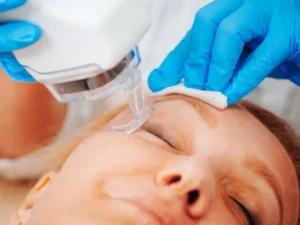
You may wonder how Fractional CO2 Laser compares to microneedling and chemical peels for skin rejuvenation. Clinical studies show that Fractional CO2 Laser delivers stronger results, especially for wrinkles, UV spots, and pore size. The following table highlights the main differences:
| Treatment Method | Efficacy Comparison | Safety Profile | Considerations for Patient Selection |
| Fractional CO2 Laser | Statistically superior for skin rejuvenation and wrinkle reduction | Longer downtime, higher risk of post-inflammatory hyperpigmentation | Best for those seeking dramatic improvements |
| Microneedling | Effective for mild concerns, less effective than CO2 laser | Shorter downtime, safer for darker skin types | Good for sensitive skin or those wanting less downtime |
A recent study found that women who received Fractional CO2 Laser with vitamin C saw greater improvements in photoaging than those who had microneedling. You can expect more noticeable changes in skin tone, texture, and firmness with Fractional CO2 Laser. However, microneedling may suit you if you prefer a gentler approach or have a darker skin tone.
Tip: Always discuss your goals and skin type with your provider to choose the best treatment for your needs.
Who Is a Good Candidate
Not everyone is the perfect fit for Fractional CO2 Laser. You are a good candidate if you have:
Moderate to severe acne scars that do not improve with creams or serums
Wrinkles, sun damage, or uneven skin texture that bother you
Healthy skin without active infections or severe acne breakouts
Realistic expectations about results and the recovery process
Willingness to follow pre- and post-treatment care instructions
No current pregnancy or breastfeeding
Ability to avoid sun exposure for four to six weeks after treatment
If you meet these criteria, you can expect the best results from Fractional CO2 Laser. You will see smoother, firmer, and more youthful skin with proper care and commitment.
Note: Your provider will help you decide if this advanced skin resurfacing treatment matches your goals and lifestyle.
Maximizing Results
Lifestyle and Skincare Tips
You can take several steps to maximize your Fractional CO2 Laser results and keep your skin looking its best. Healthy habits and smart skincare choices help your skin heal faster and maintain improvements for longer. Experts recommend the following tips for optimal skin rejuvenation:
Avoid smoking for at least two weeks before and four weeks after your treatment. Smoking slows down wound healing and can reduce the benefits of your laser resurfacing.
Eat more protein-rich foods. Protein supports collagen production, which is essential for firmer, smoother skin.
Stay hydrated every day. Drinking enough water helps your skin recover and keeps it plump.
Consider adding vitamin C to your diet. Vitamin C plays a key role in collagen synthesis and supports your skin’s natural repair process.
Do not pick at flaking or peeling skin. Picking can cause scarring or dark spots.
Avoid sun exposure for at least four weeks after your procedure. Sun protection is critical to prevent hyperpigmentation and protect your new skin.
Refrain from using active skincare products, such as retinoids or acids, for at least six weeks. These ingredients can irritate your healing skin.
Skip makeup until your provider says it is safe, usually after 10 to 14 days. Makeup can clog pores and slow down recovery.
Avoid exercise for one week. Sweating can introduce bacteria and increase the risk of infection.
Clean your skin twice daily with a gentle cleanser. Keep your skin moist with ointments recommended by your provider.
Use a high-protection mineral sunscreen every day. Wear protective clothing and hats if you spend time outdoors.
Take weekly photos to monitor your progress. Watch for any unusual symptoms and contact your provider if you notice anything concerning.
Tip: Consistency with these habits will help you achieve the best possible outcome from your skin resurfacing treatment.
Maintenance Treatments
You can extend your results and keep your skin looking youthful with regular maintenance. Most people benefit from a personalized plan that includes:
Annual or biannual touch-up sessions with the Fractional CO2 Laser. These treatments help maintain collagen levels and address new signs of aging.
Professional skincare treatments, such as gentle facials or hydrating masks, to support ongoing skin health.
At-home care with doctor-approved products, including moisturizers, antioxidants, and mineral sunscreen.
Your provider will help you decide how often you need maintenance treatments based on your skin type, age, and goals. Staying proactive with your skincare routine and sun protection will help you enjoy smoother, brighter, and healthier skin for years.
Remember: Long-term results depend on your daily habits and commitment to aftercare. Healthy skin is an investment that pays off over time.
You now know what to expect from Fractional CO2 Laser recovery and results. You will see smoother skin, improved texture, and fewer wrinkles with proper aftercare. Remember these essentials:
Set realistic goals for your skin rejuvenation journey.
Follow all aftercare instructions for the best healing.
Choose a trusted provider and FDA-certified device like MinXu.
Consult a skincare professional before starting any laser treatment. Use this guide to make smart, confident choices for your skin health.
FAQ
How soon will I see results after Fractional CO2 Laser treatment?
You may notice smoother skin and reduced redness within two weeks. Collagen production continues for months. Most people see the best results for acne scars, wrinkles, and skin texture between three and six months after their session.
Is Fractional CO2 Laser safe for all skin types?
You can use Fractional CO2 Laser on many skin types. Providers often recommend it for lighter skin tones to reduce the risk of hyperpigmentation. Always consult your dermatologist to see if this skin resurfacing treatment fits your needs.
How long does recovery take?
Most redness and swelling fade within two weeks. Your skin may look pink for several weeks. Full recovery and final results, including wrinkle reduction and improved skin tone, appear after three to six months.
Can I wear makeup after my treatment?
You should wait until your skin heals, usually about 7–10 days. Ask your provider before applying makeup. Choose mineral-based products to avoid irritation and support your skin’s recovery.
What should I avoid after Fractional CO2 Laser?
Avoid sun exposure, harsh skincare products, and picking at your skin. Use gentle cleansers and moisturizers. Apply broad-spectrum sun protection daily to prevent pigmentation changes and support healthy healing.
How many sessions will I need?
Most people need one to three sessions for visible improvement in acne scars, wrinkles, and skin texture. Your provider will recommend a plan based on your goals and skin condition.
Does the treatment hurt?
You may feel warmth or a prickling sensation during the procedure. Providers use numbing cream to keep you comfortable. Most people compare it to a mild sunburn.
Can Fractional CO2 Laser treat deep acne scars?
Yes, this laser targets deep acne scars by stimulating collagen remodeling. You will see smoother skin and reduced scar depth after a series of treatments.
Discover more from Minxu
Subscribe to get the latest posts sent to your email.