

Contents
- 1 Key Takeaways
- 2 Common HIFU Side Effects
- 3 Less Common and Delayed Effects
- 4 Rare and Serious Risks
- 5 Managing HIFU Side Effects
- 6 Reducing Risks
- 7 Who Should Avoid HIFU
- 8 Weighing Benefits and Risks
- 9 FAQ
- 9.1 What are the most common side effects after HIFU treatment?
- 9.2 How long does it take for side effects to disappear?
- 9.3 Can HIFU cause permanent damage to my skin?
- 9.4 Is there any downtime after HIFU treatment?
- 9.5 What should I do if I experience severe pain or blisters?
- 9.6 Are there any ways to reduce the risk of side effects?
- 9.7 Who should avoid HIFU treatments?
- 9.8 Will HIFU affect facial volume or contours?
- 10 Contact Us Now!
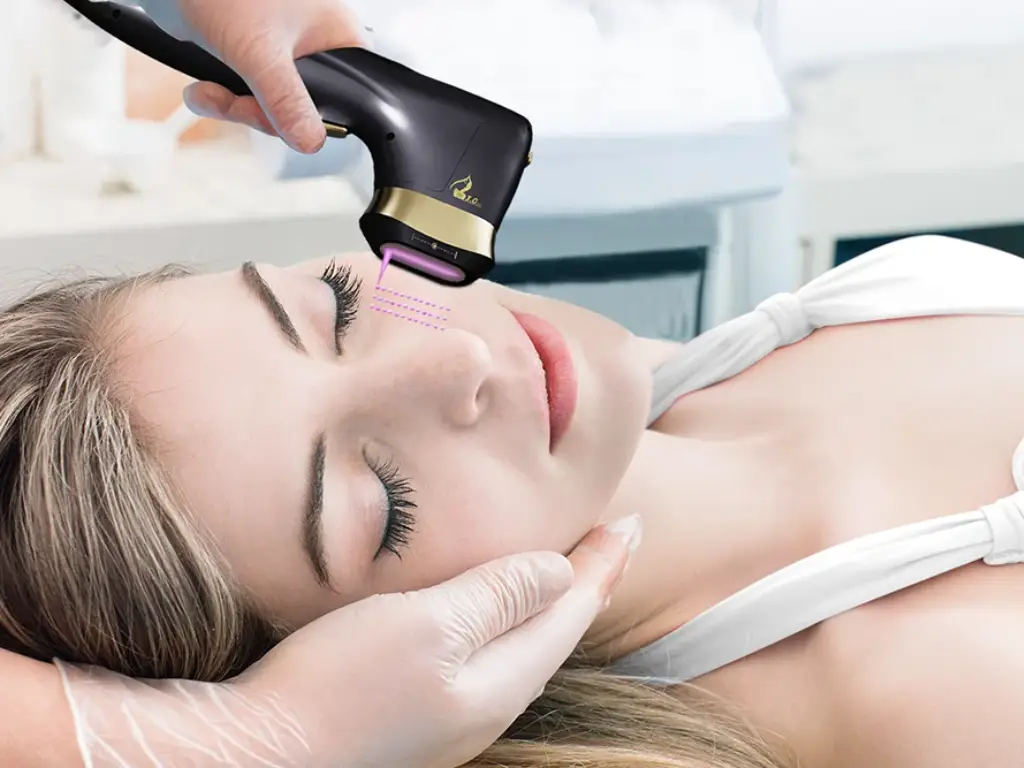
HIFU Side Effects refer to the reactions your skin or body may experience after high-intensity focused ultrasound treatment. You might notice redness, swelling, tingling, or mild pain soon after your session. Some people report temporary bruising or numbness. In rare cases, side effects like muscle weakness, volume loss, or changes in skin sensitivity can occur. Most symptoms fade quickly and do not impact your daily life. Advanced devices like the Konmison HIFU Machine feature a cooling system to help minimize discomfort and downtime.
Key Takeaways
HIFU treatments can cause mild side effects like redness, swelling, and tingling, which usually resolve quickly.
Using advanced devices, such as the MinXu HIFU Machine, can help minimize discomfort and speed up recovery.
Most side effects are temporary and do not interfere with daily life, allowing you to return to normal activities soon after treatment.
Proper aftercare is essential; follow your provider’s instructions to reduce risks and support healing.
Monitor your symptoms closely after treatment. Contact your provider if you notice severe pain, blistering, or prolonged redness.
Choosing a qualified provider is crucial for safety. Ask about their experience and the technology they use.
Certain medical conditions, like active skin disorders or neurological issues, may require you to avoid HIFU treatments.
Understanding potential side effects helps you make informed decisions and feel confident about your HIFU treatment.
Common HIFU Side Effects
When you consider HIFU treatments, understanding the most frequent reactions helps you set realistic expectations. Most HIFU Side Effects are mild and temporary, especially when using advanced devices like the MinXu HIFU Machine. Here’s what you might experience:
Redness and Swelling
Redness (also called erythema) and swelling are the most common HIFU Side Effects. Your skin may look flushed or feel puffy right after treatment. These reactions happen because the ultrasound energy heats the deeper layers of your skin, stimulating collagen production.
Duration
Redness usually fades within a few hours, but it can last up to 48 hours for some people. Swelling tends to resolve within 24 to 72 hours. You may notice these effects more on facial areas, but they can also appear on the neck, chest, or other treated zones.
Frequency
The table below shows how often you might experience redness and swelling after HIFU:
| Side Effect | Expected Severity / Duration | Typical Incidence (approx.) |
| Redness / erythema | Mild; hours–48 hours | Common (10–40%) |
| Swelling | Mild–moderate; 24–72 hours | Common (10–30%) |
Most people find these symptoms manageable and do not need special treatment. If you use a device with a cooling system, like the MinXu HIFU Machine, you may notice less redness and swelling.
Tingling and Numbness
Some people report tingling or numbness after HIFU. You might feel a slight buzzing, prickling, or reduced sensation in the treated area. These sensations happen because ultrasound energy can temporarily affect the nerves under your skin.
Sensation Details
Tingling often feels like pins and needles. Numbness means you notice less feeling in the skin. These effects are usually mild and do not interfere with daily activities.
Recovery Time
Most tingling fades within days, but it can last up to a few weeks. Numbness is less common and usually resolves within weeks. Here’s a quick look at how long these symptoms last:
| Side Effect | Duration | Incidence |
| Tingling | Days to weeks | Common (5-20%) |
| Temporary numbness | Resolves within weeks | 1-3% |
If you notice tingling or numbness, you should monitor your symptoms. Most people recover without any intervention.
Mild Pain or Discomfort
You may feel mild pain or discomfort during or after your HIFU session. This sensation is often described as a slight burning, soreness, or tenderness, similar to a mild sunburn or bruise.
When It Occurs
Discomfort usually appears during the procedure or in the hours following treatment. Some people feel it only while the ultrasound energy is applied, while others notice soreness for a day or two.
Some patients report mild soreness in the treated area, akin to a sunburn or slight bruising.
This discomfort is generally mild and temporary, lasting from a few hours to a couple of days.
While some individuals may report minimal discomfort during the procedure, others may experience varying levels of pain.
Patient testimonials highlight the subjective nature of pain perception.
Relief Tips
You can manage mild pain or discomfort with simple strategies:
Over-the-counter pain relievers like ibuprofen or acetaminophen help reduce soreness.
Applying a cold compress soothes burning sensations and reduces swelling.
Staying hydrated supports healing and reduces inflammation.
Protecting your skin from the sun prevents irritation and speeds recovery.
Always follow your provider’s aftercare instructions for best results.
Most HIFU Side Effects resolve quickly, especially when you use advanced technology and follow proper aftercare. If you have concerns about pain or other symptoms, reach out to your provider for guidance.
Bruising and Rash
Bruising and rash can appear as part of HIFU Side Effects. You may notice small purple or red marks, or patches of irritated skin, especially in areas where the ultrasound energy was strongest. These reactions are usually mild and temporary, but understanding why they happen and how long they last helps you feel more confident about your treatment.
Causes
Bruising happens when tiny blood vessels under your skin break during the procedure. The focused ultrasound energy heats deeper layers, which can sometimes cause these vessels to leak a small amount of blood. Rash may develop if your skin reacts to the heat or if you have sensitive skin. You might see a purple rash, redness, or small bumps. These effects can show up on the face, neck, chest, or other treated areas.
Tip: Advanced devices like the MinXu HIFU Machine use a cooling system to help protect your skin and reduce the chance of bruising or rash.
Common causes include:
High energy settings during treatment
Sensitive or thin skin
Not following aftercare instructions
Treating larger or multiple areas in one session
How Long It Lasts
Bruising and rash after HIFU usually resolve quickly. Most people see improvement within a few days, and full recovery often happens in about a week. Your skin type, the intensity of the treatment, and how well you follow post-treatment care all affect healing time.
| Symptom | Typical Duration | Influencing Factors |
| Bruising | 3–7 days | Skin type, treatment area, aftercare |
| Rash | 2–7 days | Sensitivity, device cooling, skincare |
You can help your skin heal faster by:
Using gentle skincare products
Avoiding sun exposure
Applying cool compresses
Following your provider’s instructions
If bruising or rash lasts longer than a week or gets worse, contact your provider for advice. Most HIFU Side Effects, including bruising and rash, resolve without medical treatment and do not interfere with your daily routine.
Less Common and Delayed Effects
Some HIFU Side Effects do not appear right away. You may notice them days or even weeks after your treatment. These reactions are less common, but understanding them helps you stay informed and prepared.
Muscle Weakness
Symptoms
Muscle weakness can develop if ultrasound energy affects deeper tissues. You might feel less strength or control in the treated area. This weakness often appears as mild fatigue or a slight drooping of facial muscles. You may notice changes when you smile or raise your eyebrows.
Frequency
Muscle weakness after HIFU is rare. Most people do not experience this effect. If it occurs, symptoms usually improve within a few weeks. Nerve irritation or neuropraxia can cause temporary weakness, but the incidence remains below 2%.
Skin Sensitivity
Triggers
Skin sensitivity may develop after HIFU. You could feel tingling, burning, or increased sensitivity to touch. Triggers include heat, friction, or exposure to harsh skincare products. Sensitive skin types may react more strongly.
Here is a table showing the expected severity and frequency of skin sensitivity reactions:
| Side Effect | Expected Severity / Duration | Typical Incidence (approx.) |
| Redness / erythema | Mild; hours–48 hours | Common (10–40%) |
| Swelling | Mild–moderate; 24–72 hours | Common (10–30%) |
| Tingling / transient numbness | Mild; days–weeks | Common (5–20%) |
| Bruising | Mild; 1–2 weeks | Occasional (5–10%) |
| Nerve irritation / neuropraxia | Moderate; weeks–months | Rare (<1–2%) |
| Superficial burn | Moderate–severe; variable | Rare (<1%) |

Management
You can manage skin sensitivity with simple strategies. These steps help soothe your skin and speed recovery:
Apply cold compresses for 10 minutes to reduce swelling.
Use arnica or vitamin K serums to accelerate bruise healing.
Take acetaminophen if needed (avoid NSAIDs for the first 24 hours if advised).
Keep skin moisturized to prevent flaking and soothe sensitivity.
Cleanse with a mild, pH-balanced gel or cream cleanser twice daily.
Apply a fragrance-free, ceramide-rich moisturizer to support lipid repair.
Incorporate hyaluronic acid serum to boost hydration and plump the skin.
Drink at least 2 liters of water daily to maintain skin turgor.
Consume protein-rich foods for amino acids that form collagen.
Eat antioxidant-dense fruits and vegetables to neutralize free radicals.
Volume Loss

Areas Affected
Volume loss is an uncommon delayed effect. You may notice changes in facial fullness, especially in the cheeks, forehead, or temples. Some people see increased prominence of wrinkles or lines, such as nasolabial folds. The face may look more tired or hollow.
HIFU treatments can cause volume loss by triggering programmed cell death in fat cells. The ultrasound energy signals fat cells to break down, which reduces fat tissue thickness.
Prevention
To prevent unwanted volume loss, choose a skilled provider who understands facial anatomy. Ask about device settings and treatment depth. Advanced machines with customizable settings, like the MinXu HIFU Machine, allow practitioners to target specific layers and minimize risk. Follow all aftercare instructions and report any changes in facial shape to your provider.
Tip: Regular follow-up visits help your provider monitor changes and adjust future treatments for optimal results.
Rare and Serious Risks
While most reactions to HIFU are mild, you should know about rare but serious risks. These complications are uncommon, but understanding them helps you recognize when to seek help and how to protect your skin.
Burns and Blisters
Burns and blisters can occur if the ultrasound energy heats the skin too much. You might notice redness, warmth, or even small fluid-filled blisters after treatment. These symptoms usually appear soon after your session.
Warning Signs
Look for these signs that may indicate a burn or blister:
Persistent redness or warmth that does not fade after a few hours
Swelling that increases instead of improving
Blisters that resemble tangerine skin
Pain or tenderness that worsens over time
The following table shows how often burns and blisters happen and what factors contribute:
| Evidence Type | Details |
| Occurrence Rate | 1.5% of patients experienced burns and blisters |
| Specific Cases | 0.26% experienced blisters similar to tangerine pericarps |
| Contributing Factors | Treatment duration, sonication time, focusing depth, water sac use, prolonged skin compression |
When to Seek Help
Most mild burns resolve with simple care. You can:
Apply cold compresses for the first 24 hours to reduce discomfort
Use gentle skin care products
Take over-the-counter pain relievers if needed
If you notice blisters, worsening pain, or symptoms that do not improve, contact your provider right away. Early intervention prevents complications and speeds up healing.
Nerve Injury
Nerve injury is rare but possible. You may feel numbness, tingling, or weakness in the treated area. Sometimes, you might notice changes in facial movement or sensation.
Symptoms
Monitor for these symptoms after HIFU:
Pain, especially near the eyes or face
Ocular symptoms, such as drooping eyelids or vision changes
Signs of Horner’s syndrome, like a smaller pupil or drooping eyelid
| Study | Reported Frequency of Nerve Injury | Symptoms to Monitor |
| Study of 102 participants | No neurological adverse events reported | Pain, ocular symptoms, signs of Horner’s syndrome |
Recovery
Most nerve-related symptoms are temporary. Redness and swelling usually fade within 1–5 days. If you experience numbness, it often resolves within weeks. Try these steps to support recovery:
Apply cold compresses to reduce swelling
Use arnica or vitamin K serums for bruising
Take acetaminophen for discomfort (avoid NSAIDs for the first 24 hours if advised)
If numbness lasts longer than four weeks, seek medical advice.
Scarring or Pigmentation
Scarring and pigmentation changes are very rare after HIFU. Most people heal without permanent marks. Minor pigment changes may appear but usually fade over time.
Risk Factors
You have a low risk of scarring because HIFU causes minimal disruption to the skin’s surface. Factors that may increase risk include:
Sensitive or darker skin types
High treatment intensity
Inadequate aftercare
Prevention
You can lower your risk by following these strategies:
| Evidence Type | Findings |
| Scar Treatment | HIFU reduces scar volume and improves skin texture |
| Patient Feedback | Patients report less itching, pain, and lighter pigment spots |
| Temperature Impact | Moderate heat (40-45°C) may help prevent scarring |
Use gentle skincare, avoid sun exposure, and follow your provider’s aftercare instructions. These steps help your skin heal and reduce the chance of lasting marks.
If you notice any unusual or persistent changes, reach out to your practitioner for guidance. Staying informed about HIFU Side Effects helps you make safe choices and enjoy the benefits of your treatment.
Systemic Reactions
Rarely, you may experience systemic reactions after HIFU treatment. These effects involve your whole body, not just the skin or tissue at the treatment site. Understanding these reactions helps you recognize when to monitor your health and when to seek medical advice.
Fever
Fever can occur as a mild, temporary response after HIFU. Your body may react to the focused ultrasound energy by raising its temperature slightly. This mild fever usually appears within the first day after treatment. You might feel warm, tired, or notice a slight increase in body temperature.
Most fevers after HIFU resolve quickly. You can manage mild fever by resting, drinking plenty of fluids, and monitoring your temperature. If your fever lasts longer than 48 hours or rises above 101°F, contact your provider for guidance.
Tip: Mild fever is usually a sign that your body is responding to the procedure. It does not mean you have an infection.
Here is a summary of systemic reactions reported after HIFU:
| Adverse Event Type | Description | Frequency/Notes |
| Fever | Mild fever observed as a transitory effect | Rare; usually resolves without intervention |
| Hypertension | Not specified in clinical studies | Very rare; monitor blood pressure if concerned |
| Other AEs | Discomfort, skin toxicity, edema at site | Occasional; typically mild and short-lived |
Hypertension
Hypertension, or high blood pressure, is a very rare side effect after HIFU. Most people do not experience changes in blood pressure. If you have a history of hypertension, you should monitor your blood pressure before and after treatment. Stress, anxiety, or discomfort during the procedure may cause a temporary rise in blood pressure.
You can reduce your risk by staying calm and relaxed during your session. If you feel dizzy, have headaches, or notice a sudden increase in blood pressure, inform your provider immediately.
What to watch for:
Headache or dizziness
Sudden rise in blood pressure
Feeling faint or weak
If you have persistent symptoms, seek medical attention. Your provider can help you manage blood pressure and ensure your safety.
Note: Systemic reactions like fever and hypertension are rare after HIFU. Most people experience only mild, local side effects. Advanced devices, such as the MinXu HIFU Machine, use technology that helps minimize discomfort and systemic risks.
By understanding these rare reactions, you can feel confident about your treatment and know when to reach out for help. Always follow your provider’s instructions and report any unusual symptoms promptly.
Managing HIFU Side Effects
Monitoring Symptoms
You should monitor your skin and body closely after HIFU treatment. Most reactions are mild and temporary, but tracking changes helps you spot anything unusual early. Take daily photos of the treated area and keep a simple log of your symptoms. Write down any new or worsening issues. This routine helps you and your provider understand how your skin responds.
Normal vs. Concerning
You may notice mild redness, warmth, slight swelling, tingling, or temporary numbness. These are normal and usually fade within a few days. Mild tenderness is also common. However, some symptoms need more attention. Severe pain, blistering, facial hollowing, or signs of infection—such as increasing redness, pus, or fever—require prompt action.
| Symptom Type | Description |
| Normal Side Effects | Mild redness or warmth, slight swelling, tingling, temporary numbness, mild tenderness |
| Warning Signs | Blistering, severe pain, facial hollowing, signs of infection (increasing redness, pus, fever) |
| Monitoring Tips | Take daily photos, log symptoms, note new or worsening issues |
| When to Contact Provider | If experiencing blisters, severe burning, unexpected pain, or signs of infection |
At-Home Care
Proper aftercare can help you manage most HIFU Side Effects at home. Simple steps make a big difference in comfort and recovery.
Cooling and Soothing
Apply a cool compress to the treated area for 10–15 minutes at a time. This reduces swelling and soothes skin irritation. Use gentle, fragrance-free moisturizers to keep your skin hydrated. Avoid harsh products and direct sunlight for several days.
Medication Use
If you feel mild pain or tenderness, you can take acetaminophen or ibuprofen. These medications help reduce discomfort and inflammation. Always follow the dosage instructions. Do not use strong topical creams unless your provider recommends them.
Tip: Drink plenty of water and eat foods rich in antioxidants to support healing.
When to Call Your Provider
You should know when to seek professional help. Some symptoms signal a need for medical attention.
Red Flags
Persistent redness that does not fade after a few days
Swelling that lasts longer than 72 hours
Unusual or severe pain
Any blistering on the skin
If you notice any of these red flags, contact your provider right away. Early intervention can prevent complications and ensure a smooth recovery.
Remember: Most side effects are mild, but staying alert helps you protect your skin and health.
Reducing Risks
You can take important steps to lower your risk of HIFU Side Effects and enjoy the best results from your ultrasound treatment. Choosing the right provider, preparing your skin, and following aftercare instructions all play a role in your safety and satisfaction. Advanced devices, such as the MinXu HIFU Machine, offer features like a cooling system and dual HIFU+RF technology. These features help minimize discomfort and support a smoother recovery.
Choosing a Provider
Selecting a skilled provider is one of the most effective ways to reduce risks. Look for these qualifications:
Credentials
Confirm that your provider holds a medical or regulated clinical qualification.
Ask if the practitioner has completed formal training with the specific device model.
Request to see before-and-after photos of similar cases.
Make sure there is a clear consent process and a plan for managing complications.
Ensure you will receive detailed aftercare instructions and access to follow-up care.
Questions to Ask
What experience do you have with HIFU and this device?
Can you show me results from past clients?
What steps do you take if a complication occurs?
How do you support patients during recovery?
Pre-Treatment Tips
Proper preparation helps your skin respond well to the non-invasive procedure. Before your session, you should:
What to Avoid
Complete a full medical history form and list all medications and recent procedures.
Tell your provider about any active skin conditions or recent tanning.
Do not start or stop prescribed medications without medical advice.
Avoid strong topical agents, such as retinoids or chemical peels, before treatment.
Schedule a targeted examination to discuss your goals and expected outcomes.
Aftercare
Following aftercare instructions is key to reducing side effects and promoting healing. You can support your skin’s recovery with these steps:
Skincare
Use cold compresses wrapped in a soft cloth for 10 minutes every hour while awake.
Cleanse your skin with a mild, pH-balanced gel or cream cleanser twice daily.
Apply a fragrance-free, ceramide-rich moisturizer and consider a hyaluronic acid serum for hydration.
Avoid active ingredients like retinoids and vitamin C serums during the healing process.
Activity Limits
Sleep with your head elevated on two pillows to reduce swelling.
Avoid strenuous exercise, alcohol, and hot environments for several days.
Drink at least 2 liters of water daily to keep your skin hydrated.
Eat protein-rich foods and antioxidant-rich fruits and vegetables to support collagen production and skin repair.
Following these steps helps you recover quickly and enjoy the benefits of skin tightening and rejuvenation with minimal downtime.
Who Should Avoid HIFU
Before you schedule a HIFU treatment, you should know if you fall into a group that needs to avoid this procedure. HIFU is safe for most people, but certain medical conditions and situations can increase your risk of side effects or complications. Understanding these contraindications helps you make the best decision for your health and skin.
Medical Conditions
Skin Disorders
If you have active skin disorders, you should not get HIFU. Conditions like eczema, psoriasis, severe acne, or open wounds in the treatment area can make your skin more sensitive. HIFU may worsen irritation or delay healing. You should wait until your skin is healthy before considering this treatment.
Tip: Always tell your provider about any skin conditions, even if they seem minor. This helps prevent unwanted reactions.
Neurological Issues
You should avoid HIFU if you have certain neurological conditions. Disorders that affect nerve function, such as facial nerve palsy or neuropathy, can increase your risk of nerve injury or delayed recovery. If you have a history of seizures or other neurological problems, discuss this with your provider before treatment.
Some neurological issues may not be obvious. If you notice numbness, tingling, or muscle weakness in the treatment area, let your provider know. These symptoms can signal underlying nerve problems that make HIFU less safe for you.
Other Contraindications
Pregnancy
HIFU is not recommended during pregnancy. The effects of focused ultrasound on a developing fetus are unknown. For your safety and your baby’s health, you should wait until after pregnancy to consider HIFU treatments.
Recent Procedures
If you have had recent cosmetic procedures, you need to wait before getting HIFU. Treatments like chemical peels, laser therapy, or dermal fillers can make your skin more sensitive. Combining these with HIFU increases your risk of irritation, swelling, or delayed healing.
Note: Always share your full treatment history with your provider. This includes any recent use of systemic retinoids, which can make your skin more fragile.
Absolute contraindications for HIFU include:
Pregnancy
Active infections in the treatment area
Implanted electronic devices or metallic implants within the ultrasound beam path
Relative contraindications include:
Recent use of systemic retinoids
Poorly controlled diabetes or other systemic diseases
Immunosuppression
Active autoimmune conditions that affect wound healing
| Condition Type | Examples |
| Absolute | Pregnancy, active infection, implanted devices |
| Relative | Recent retinoids, uncontrolled diabetes, autoimmune issues |
If you have any of these conditions, talk to your provider. They can help you decide if HIFU is right for you or suggest safer alternatives. Your safety should always come first when considering any skin tightening or rejuvenation procedure.
Weighing Benefits and Risks
Is HIFU Right for You?
Assessing Risk
You want to make sure HIFU fits your needs and expectations. High-Intensity Focused Ultrasound offers a non-invasive way to tighten skin and improve facial contours. You may see firmer skin and fewer wrinkles after treatment. Most people experience only mild side effects, such as redness or swelling, which fade quickly. Rare complications, like nerve injury or volume loss, happen infrequently when you choose a skilled provider and an advanced device.
Before you decide, consider your skin type, medical history, and treatment goals. If you have sensitive skin or a history of skin disorders, you may need extra caution. You should also think about your tolerance for temporary discomfort and your willingness to follow aftercare instructions. Proper skin evaluation before treatment helps your provider determine if HIFU will work for you.
HIFU stands out for its safety profile and patient satisfaction. You can expect significant improvements in skin elasticity with minimal downtime.
Here are key points to weigh:
HIFU is generally safe when performed by trained professionals using medically approved devices.
Most side effects are mild and short-lived.
You may see noticeable improvements in skin texture and firmness.
Rare risks highlight the importance of choosing a qualified practitioner.
Proper skin assessment increases your chances of a successful outcome.
If you want a non-surgical facelift with minimal recovery, HIFU may be a good choice. You should always discuss your concerns and goals with your provider.
Questions for Your Provider
Making an Informed Choice
You should feel confident before starting any skin rejuvenation procedure. Asking the right questions helps you understand the process and set realistic expectations. Here are some questions to guide your conversation:
| Question | Why It Matters |
| What experience do you have with HIFU? | Ensures provider skill and safety |
| What device will you use? | Confirms use of advanced, approved technology |
| What side effects should I expect? | Prepares you for recovery and aftercare |
| How do you handle complications? | Shows readiness for rare risks |
| What results can I expect? | Sets realistic goals for skin tightening |
| How long will recovery take? | Helps you plan your schedule |
You should also ask about aftercare instructions and follow-up visits. A good provider will explain how to monitor your skin and when to seek help. You can request before-and-after photos to see typical results.
Tip: Write down your questions before your consultation. This helps you remember important topics and make an informed decision.
Choosing HIFU means balancing benefits like improved skin elasticity and minimal downtime against rare risks. You can maximize safety and satisfaction by staying informed and working with a qualified professional.
You now understand the most common and rare HIFU Side Effects. Always choose a skilled provider and follow aftercare instructions for the best results. Advanced devices, such as the MinXu HIFU Machine, help reduce risks and support a smoother recovery. Consult with a professional before your ultrasound treatment. You can feel confident that HIFU is a safe and effective non-invasive procedure when performed correctly.
FAQ
What are the most common side effects after HIFU treatment?
You may notice mild redness, swelling, tingling, or slight discomfort. These effects usually fade within a few days. Advanced HIFU devices help minimize these reactions, making recovery quick and easy.
How long does it take for side effects to disappear?
Most side effects, such as redness or swelling, resolve within 24 to 72 hours. Tingling or numbness may last a few days. You can speed up healing by following proper aftercare instructions.
Can HIFU cause permanent damage to my skin?
Permanent damage is extremely rare. You reduce your risk by choosing a skilled provider and using advanced technology. Always follow aftercare guidelines to protect your skin and support healthy collagen production.
Is there any downtime after HIFU treatment?
You can return to daily activities immediately after HIFU. Most people experience minimal downtime. Mild swelling or redness may occur, but these symptoms do not interfere with your routine.
What should I do if I experience severe pain or blisters?
Contact your provider right away if you notice severe pain, blisters, or unusual symptoms. Early intervention helps prevent complications and ensures safe recovery.
Are there any ways to reduce the risk of side effects?
You can lower your risk by selecting a qualified practitioner, preparing your skin, and following aftercare instructions. Devices with cooling systems and customizable settings also help minimize discomfort.
Who should avoid HIFU treatments?
You should avoid HIFU if you have active skin disorders, neurological issues, are pregnant, or have had recent cosmetic procedures. Always discuss your medical history with your provider before treatment.
Will HIFU affect facial volume or contours?
HIFU may cause minor volume loss in rare cases. Skilled providers use precise settings to target skin tightening without affecting facial contours. Report any changes to your practitioner for proper follow-up.
Discover more from Minxu
Subscribe to get the latest posts sent to your email.