

You want a permanent hair removal solution. Two main options exist: laser hair removal and electrolysis. Which method truly delivers? The answer depends on your hair color, skin type, budget, and pain tolerance.
Laser hair removal offers speed, less discomfort, and lower cost. It works best on light skin with dark hair. Electrolysis stands as the only FDA-approved permanent removal method. It handles all hair and skin types but demands more time and patience.
This guide examines the science, expense, and effectiveness of both hair removal methods. You will learn the benefits of each approach. This knowledge helps you choose your ideal permanent hair removal solution.
Key Takeaways

Laser hair removal provides fast, less painful sessions for large areas with dark hair and light skin.
Electrolysis is the only FDA-approved method for permanent hair removal on all hair and skin types.
Laser offers permanent hair reduction, while electrolysis destroys follicles for complete removal.
Electrolysis works best for light hair, dark skin, and fine hairs that laser cannot treat.
Combine laser for bulk reduction and electrolysis for touch-ups to save time and money.
Your total cost for laser or electrolysis is similar, but electrolysis requires more sessions.
Always consult a licensed professional for a patch test and personalized treatment plan.
How Laser Hair Removal Works
Laser hair removal uses light energy to disable hair growth at the source. The process relies on a principle called selective photothermolysis. This means the laser delivers a precise wavelength of light that targets melanin, the pigment inside each hair follicle. The light converts to heat, which damages the follicle’s ability to produce new hair. Your body then sheds the treated hairs over the following weeks.
Targeting Melanin for Hair Reduction
The laser’s effectiveness depends on matching the right wavelength to your skin and hair type. Different wavelengths penetrate your skin at different depths and interact with melanin in distinct ways. MinXu’s professional laser machines feature triple wavelengths—755nm, 808nm, and 1064nm—to address a wide range of skin tones and hair types.
| Wavelength | Melanin Absorption | Clinical Relevance |
| 755nm (Alexandrite) | Very high | Best for light skin (Fitzpatrick I-III) with dark hair |
| 808nm (Diode) | Moderate-high | Deeper penetration; suits medium skin tones |
| 1064nm (Nd:YAG) | Low | Bypasses surface melanin; safer for darker skin |
The 755nm wavelength absorbs melanin strongly, making it exceptionally effective for lighter skin types. The 808nm wavelength balances absorption efficiency with deeper skin penetration. The 1064nm wavelength has lower melanin absorption but penetrates deeper, reducing burn risk on darker skin. Your technician selects the appropriate wavelength based on your unique profile.
Treatment speed represents another advantage. A session on your legs might take 20-30 minutes, while your upper lip takes only minutes. Sapphire cooling technology keeps your skin comfortable throughout the procedure, making the experience virtually painless. This cooling also minimizes scarring risk, which concerns many people considering permanent hair removal.
The FDA defines permanent hair reduction as “the long-term, stable reduction in the number of hairs re-growing after a treatment regime, which may include several sessions.” This does not necessarily imply the elimination of all hairs in the treatment area.
Best Results for Dark Hair and Light Skin
Your results depend heavily on the contrast between your hair color and skin tone. The ideal candidate has dark, coarse hair on light skin. This combination allows the laser to target melanin precisely without affecting surrounding skin.
Clinical studies show impressive success rates for this combination:
Alexandrite laser: 40-80% hair reduction at 6 months after several treatments
Diode laser: 65-79% reduction at 3-6 months
Ruby laser: up to 75% reduction after a single treatment
Dark hair contains the most melanin, making it ideal for laser targeting. Coarse, thick hair responds better than fine hair because thicker strands absorb laser energy more effectively. Light-colored hair—blonde, red, gray, or white—contains less melanin, so the laser has less pigment to target. These hair types may require more sessions or may not achieve the same level of reduction.
Darker skin tones require specialized lasers like the Nd:YAG wavelength. This laser penetrates deeper without affecting the skin surface, reducing the risk of hyperpigmentation. However, success rates may be lower compared to light skin and dark hair combinations.
Laser hair removal is FDA-cleared for permanent hair reduction, not permanent removal. This distinction matters for your expectations. The treatment significantly reduces hair growth over time, but you may need maintenance sessions. For many people, this hair removal technique offers an excellent balance of speed, comfort, and long-lasting results.
How Electrolysis Removes Hair
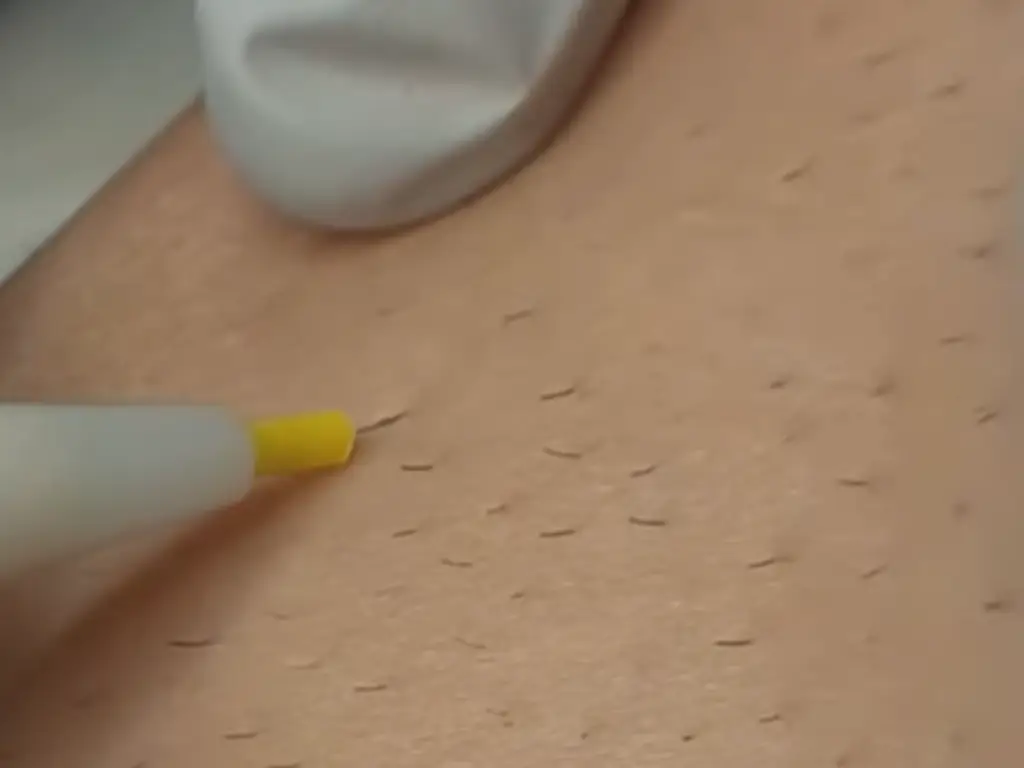
You find a different approach to permanent hair removal with electrolysis. This method does not rely on melanin. Instead, it uses a direct electrical current delivered to each hair follicle. A trained electrologist inserts a thin, sterile probe into the follicle opening. The probe reaches the bottom of the follicle where the hair bulb lives. The current then destroys the growth center, preventing the follicle from producing new hair.
Destroying the Follicle One by One
Electrolysis works through three specific modalities. Each modality destroys the hair follicle in a unique way.
Galvanic electrolysis uses direct current. This current creates a chemical reaction inside the follicle. The reaction converts tissue saline into sodium hydroxide, a caustic agent. This agent destroys the hair bulb. The result is permanent damage to the follicle.
Thermolysis uses high-frequency alternating current. This current causes cellular vibration within the follicle. The vibration generates heat. The heat cauterizes the hair bulb. This process destroys the follicle through thermal energy.
The blend method combines both galvanic and thermolysis modalities. This approach uses the chemical reaction and the heat together. It provides a more comprehensive destruction of the follicle.
Each treatment session targets individual follicles one by one. The electrologist treats each hair separately. This process takes time, especially for larger areas. A session on the upper lip might take 15-30 minutes. A session on the legs could take several hours spread over multiple appointments.
The precision of electrolysis offers a significant advantage. You can treat any hair on your body, including fine hairs, stray hairs, and hairs that resist laser treatment. This hair removal technique works regardless of the hair’s color, thickness, or growth cycle.
The Only Method for All Hair and Skin Types
Electrolysis holds a unique position in the hair removal landscape. It is the only FDA-approved method for permanent hair removal. This approval confirms that the procedure permanently eliminates the follicle’s regenerative capacity.
Unlike laser treatments that target melanin, electrolysis destroys all hair types. It works on blonde, red, gray, white, and any other hair color. It also works on all skin types, from very fair to very dark skin. This universality makes electrolysis the definitive solution for people who do not fit the ideal laser candidate profile.
The FDA approval distinguishes electrolysis from laser treatments. The FDA classifies laser hair removal as a method for permanent hair reduction, not permanent removal. Electrolysis, in contrast, destroys the growth cells within the hair follicle. This destruction prevents treated hair from growing back. The result is truly permanent freedom from hair.
You should consider electrolysis if you have light hair, dark skin, or a combination that makes laser less effective. You should also consider it if you want to remove stray hairs, shape eyebrows, or treat small areas. The precision and permanence of electrolysis make it an excellent choice for these situations.
The time commitment for electrolysis is significant. Each hair follicle requires individual treatment. You need multiple sessions to achieve complete coverage. However, the results are permanent. Once the follicle is destroyed, it does not grow back. This permanence justifies the investment for many people.
Electrolysis vs Laser Hair Removal: Key Differences

You can understand the electrolysis vs laser hair removal debate by examining how each method works. The key differences between these two approaches affect your choice. Laser targets melanin in multiple follicles at once. Electrolysis destroys each follicle individually. This fundamental difference drives the comparison in effectiveness, cost, and convenience.
Effectiveness and Permanence
The FDA defines two distinct outcomes for these procedures. Electrolysis is the only method with FDA clearance for permanent removal. This means total elimination of treated hairs. Laser devices carry FDA clearance for permanent reduction only. The FDA defines permanent reduction as a long-term, stable decrease in regrowing hairs after a complete treatment regime. This stability must last longer than the complete growth cycle, which runs 4 to 12 months depending on location. The FDA does not permit laser devices to claim permanent removal.
The long-term results of each method differ significantly. Laser produces regrowth over time, but the new hairs are finer and lighter. You need follow-up treatments every 6 weeks for up to 6 sessions, then maintenance 1 to 2 times each year. The results are not permanent. You require ongoing maintenance to sustain the reduction. Electrolysis destroys the follicle permanently. No regrowth occurs after treatment. You need no maintenance after your initial sessions. The FDA officially recognizes electrolysis as the only permanent removal method. Treated follicles are destroyed and do not regrow. Electrolysis hair removal results are more permanent than laser outcomes.
Regulatory note: The FDA permits “permanent hair reduction” as the labeled outcome for laser devices. “Permanent removal” is not an approved claim for laser. Maintenance treatments may be needed. Effectiveness varies based on hair color, skin type, and hormonal factors.
Which method is more effective for your situation? Laser is more effective on coarse, thick strands with high melanin content. Electrolysis is more effective on fine strands and light-colored hair. Laser is more effective for large areas because it treats many follicles at once. Electrolysis is more effective for precise work on small zones and stray strands. Both provide longer-lasting results than shaving or waxing. Electrolysis results are more permanent.
Cost, Pain, and Treatment Time
The cost difference depends on the area size and number of sessions. The table below shows average costs.
| Method | Cost per Session | Total Sessions | Total Cost |
| Laser Hair Removal | $200–$400 | 6–8 | $1,200–$3,200 |
| Electrolysis | $35–$100 per hour | 15–30 hours | $525–$3,000 |
National averages for 2024 show laser costs between $100 and $300 for small areas and over $600 for large zones. Electrolysis costs between $75 and $120 per hour. This cost comparison helps you decide based on your budget.
Treatment time also differs significantly. Laser sessions take 15 to 30 minutes. Electrolysis sessions take 30 minutes to 1 hour for each appointment.
“With electrolysis, one of the big differences is you have to go into each individual follicle and take that out. That’s very time consuming. And from my understanding, with electrolysis you need to go more frequently, too. And with laser, we can target several at once. That’s a big benefit for clients.” — Milan Laser Clinical Support Nurse Amanda B.
Pain levels vary between methods. Laser provides less discomfort overall. A controlled study measured pain on a 0-10 Visual Analogue Scale for different laser types.
| Laser Type | Average Pain Score (VAS 0-10) |
| Alexandrite | 3.9/10 |
| IPL | 5.7/10 |
| Nd:YAG | 6.9/10 |
Electrolysis is described as more painful than laser. The sensation comes from the electrical current delivered to each follicle. The pain is sharp but brief for each insertion.
Side Effects and Recovery
Both procedures have common side effects. These effects are usually mild and temporary.
Common side effects include redness, mild swelling, stinging, small scabs, and temporary pigment changes. These changes can be darker or lighter patches on the skin. Most side effects settle within a day or two. Pigment changes may take weeks to months to fade. Scarring, blistering, and infection are rare. These issues usually link to poor technique.
| Procedure | Common Side Effects | Recovery Time |
| Laser Hair Removal | Blisters, inflammation, swelling, irritation, pigmentation changes, redness, rare scarring | Minor side effects (redness, swelling) resolve within a few hours; any longer-lasting symptoms should be addressed with a doctor. |
| Electrolysis | Redness, swelling, mild pain, rare infection or scarring | Most side effects subside within a day; severe side effects are rare. |
Laser is more effective at avoiding side effects when you use modern cooling technology. The sapphire cooling on professional machines protects your skin during treatment. Electrolysis does not have this cooling benefit. The insertion of the probe itself can cause minor irritation. However, both removal methods are safe when performed by a trained professional.
The key differences between laser and electrolysis are clear. Laser offers speed, less discomfort, and lower per-session cost for large areas. Electrolysis provides permanent body hair removal results for all types. Your choice depends on your priorities. If you want fast treatment for large areas, laser is more effective. If you want permanent elimination of specific strands, electrolysis is more effective.
Which Method Offers True Permanent Hair Removal?
You now understand how both techniques work. The critical question remains: which one delivers genuine permanent hair removal? The answer lies in how the FDA classifies each approach. This distinction shapes your expectations and your final choice.
| FDA designation | Electrolysis | Laser Hair Removal |
| Official FDA term | Permanent hair removal | Permanent hair reduction |
| Device classification | Class I medical device | Class II medical device |
| Regulatory pathway | Recognized | FDA 510(k) premarket review |
| Mechanism | Destroys growth cells in follicle | Reduces hair growth |
Laser Hair Removal: Long-Term Reduction
Laser hair removal offers impressive long-lasting hair removal for many people. The FDA clears this technology for permanent hair reduction, not permanent removal. This term means a significant, stable decrease in regrowing hair after your complete treatment plan. The reduction lasts longer than the full hair growth cycle, which runs 4 to 12 months depending on your body area.
Clinical evidence supports this outcome. A 2020 study in the Journal of Cosmetic and Laser Therapy found that alexandrite laser treatment can be permanent in some individuals, especially with longer treatment courses. However, this outcome varies by person. Your hair color, skin tone, and hormonal factors all influence your final results. Many people see 40-80% reduction after several sessions, but you may need maintenance visits each year.
The laser’s effectiveness depends on targeting melanin in your hair follicles. This mechanism works best on dark, coarse hair against lighter skin. You experience less discomfort during treatment thanks to sapphire cooling technology. The benefits include fast sessions, minimal downtime, and affordable per-session costs for large areas. Yet you should understand that laser provides long-term hair removal, not complete elimination. Some follicles remain active and may produce finer, lighter hair over time.
Electrolysis: The Only Permanent Solution
Electrolysis stands alone as the only FDA-approved method for permanent hair removal. The American Electrology Association confirms this status. Cleveland Clinic likewise describes electrolysis as the only FDA-approved permanent hair removal treatment because it destroys the growth cells in the follicle so the hair cannot grow back.
The American Electrology Association confirmed that the FDA continues to recognize electrolysis as the sole technique officially acknowledged for permanent hair removal, while laser-based technologies are characterized as providing long-term hair reduction. Cleveland Clinic likewise describes electrolysis as the only FDA-approved permanent hair removal treatment because it destroys the growth cells in the follicle so the hair cannot grow back.
The mechanism explains why electrolysis achieves permanent results. A fine probe delivers electrical current directly to each follicle’s growth center. This current destroys the cells responsible for hair production. Once destroyed, those cells cannot regenerate. Your treated hair never grows back.
Long-term studies demonstrate this permanence. Galvanic electrolysis reduces active hair follicles by 80-90%. Thermolysis shows hair regrowth in 20-40% of follicles post-treatment. The blend method combines both approaches and is considered the most effective form. This method offers the speed of thermolysis with less pain than galvanic alone.
For readers who want total, permanent freedom from hair, electrolysis is the definitive choice. The treatment requires more sessions and more patience. Each follicle needs individual attention. However, the permanent solution you receive justifies the investment. You never need maintenance treatments. Your hair removal results last forever.
The comparison between these methods comes down to your priorities. Laser offers speed, less discomfort, and lower upfront costs for large areas. Electrolysis offers true permanence for every hair and skin type. The FDA’s official language makes the distinction clear. Laser provides permanent hair reduction. Electrolysis provides permanent hair removal. Choose based on whether you want significant reduction or complete elimination. Your permanent hair removal solution depends on this fundamental difference.
Choosing the Right Permanent Hair Removal Solution
Your decision between these two methods depends on several personal factors. Your hair color, skin tone, budget, pain tolerance, and the size of the treatment area all play a role. No single answer works for everyone. The best choice aligns with your specific profile and goals. This section guides you through the decision process with practical advice for each scenario.
For Light Skin and Dark Hair
You have the ideal profile for laser hair removal if your skin is light and your hair is dark. This combination creates the highest contrast. The laser targets melanin in your hair follicles effectively without damaging your surrounding skin. Professionals often recommend this approach for your situation.
The key factors make this a clear choice:
| Factor | Laser Hair Removal | Electrolysis |
| Skin type compatibility | Best for light skin tones | Suitable for all skin types |
| Hair color compatibility | Works best on dark hair due to melanin absorption | Works on all hair colors |
| Hair texture | More effective on coarse, thick hair | Better suited for fine hair |
| Mechanism | Targets melanin in hair follicle | Destroys follicle without pigment reliance |
Your treatment sessions move quickly. A large area like your legs takes 20-30 minutes per session. The cost per session remains lower than the alternative for the same area size. You need 6-8 sessions for long-term hair removal. The results show a 40-80% reduction in hair growth. Many people find this outcome satisfactory.
Key decision factor: Laser hair removal is more effective on light skin with dark hair, while the alternative can be used on all skin types and hair colors. The contrast between your skin and hair gives you the best chance for success with this approach.
The pain level stays low with modern cooling technology. Sapphire cooling protects your skin during treatment. You experience minimal discomfort. Recovery time is short. You can return to your daily activities immediately after each session.
For All Other Hair and Skin Types
Your profile may differ from the ideal candidate. You might have light hair such as blonde, gray, red, or white. You might have dark skin. You might want to remove fine or stray hairs. In these cases, electrolysis becomes the better permanent hair removal solution.
Light hair lacks sufficient melanin for the device to work. All types of this technology rely on targeting melanin. The wavelengths all require pigment absorption. Your blonde or gray hair does not absorb enough energy. The results are poor regardless of the technology used. Electrolysis does not rely on pigment. It destroys each follicle with electrical current. This method works on every hair color, including gray and white.
| Patient Profile | Recommended Approach |
| Light hair (blonde) | Novel dye systems can pigment hair before treatment; longer pulses are being developed for this hair type. |
| Dark skin | Nd:YAG device is safe for darker skin; IPL is also safe for all skin types. |
For dark skin, the Nd:YAG option offers a safer choice. Its longer wavelength penetrates deeper without being absorbed by surface melanin. This minimizes the risk of burns or hyperpigmentation. However, electrolysis remains the most reliable choice for permanent hair removal.
For dark skin (phototypes IV-VI), the longer wavelength Nd:YAG is considered safest. Use conservative fluences, longer pulse durations, and appropriate cooling methods to minimize side effects and maximize efficacy.
The American Academy of Dermatology states that this technology is now a treatment option for patients with light-colored hair and light skin, as well as patients with dark skin. However, it must be performed very carefully in these patients. Dermatologists know what precautions to take to provide the treatment safely and effectively.
Consider these steps when choosing your approach:
Consult a skilled professional with experience in a wide range of skin and hair types.
Discuss the most effective treatment options for your specific case of lighter hair.
Consider that alternative hair removal methods or combination treatments may be recommended to improve outcomes.
This method offers several advantages for your situation. It delivers permanent results on any hair color. It works on any skin type. It treats fine hair effectively. The main trade-off is time. Each follicle requires individual treatment. Sessions take longer than the alternative. The cost per hour is lower, but you need more total hours.
Combining Both for Optimal Results
Some clinics offer a combination approach. You can use the first method for large areas with optimal skin-hair contrast. You can switch to the second method for stray hairs, light-colored hairs, or small touch-up areas. This strategy gives you the speed of the first approach for most of your treatment. It gives you the permanence of the second approach for the remaining hairs.
The combination works well in practice. You start with several sessions of the first method. These sessions reduce the bulk of your hair quickly. The remaining hairs become finer and lighter. You then use the second method to remove these persistent strands permanently. This two-step process saves time compared to using one method alone. It saves money compared to endless maintenance sessions.
Your goal drives the choice. If you want a significant reduction with less time and discomfort, one approach is your solution. If you want total elimination of every hair, the other is your only option. The combination bridges the gap between these two methods. It offers a practical path to optimal results.
Your budget also matters. One approach costs more per session but requires fewer sessions. The other costs less per hour but requires many more hours. The combination balances these cost factors. You invest in the first method for bulk reduction. You invest in the second for final touch-up work. This hybrid plan often provides the best value for your money.
Consult a licensed professional for a patch test and personalized treatment plan. They can evaluate your skin type, hair color, and treatment goals. They can recommend the right approach for your unique situation.
Your choice depends on your unique profile. Laser hair removal suits those with high skin-hair contrast and large treatment areas. It offers speed, lower cost, and comfortable sessions. Electrolysis remains the only true permanent hair removal option for all types. It delivers permanent results regardless of hair color or skin tone.
Consider your priorities carefully. Laser provides significant reduction with fewer sessions. Electrolysis demands more time but eliminates hair completely. Both methods outperform shaving or waxing.
Consult a licensed professional for a patch test and personalized treatment plan. They will assess your skin, hair, and budget. Whether you choose laser or electrolysis, you invest in a long-term permanent hair removal solution that outlasts temporary methods.
FAQ
How many sessions do I need for permanent hair removal?
Laser hair removal typically requires 6 to 8 sessions spaced 4 to 6 weeks apart. Electrolysis demands 15 to 30 hours of treatment total. Your hair growth cycle determines the exact count. Each session targets hairs in different growth phases. Your technician adjusts the plan based on your progress.
Does laser hair removal work on blonde or gray hair?
No. Laser targets melanin, the pigment inside each hair follicle. Blonde, red, gray, and white hair contain too little melanin for effective treatment. Electrolysis works on every hair color because it destroys follicles with electrical current rather than light energy. Choose electrolysis for light-colored hair.
Which method causes more pain?
Laser produces less discomfort overall. Modern sapphire cooling technology protects your skin during treatment. Pain scores range from 3.9 to 6.9 on a 10-point scale depending on the laser type. Electrolysis delivers a sharp, brief sensation for each follicle insertion. Most people describe electrolysis as more painful.
Can I treat dark skin safely with laser?
Yes, but you need the right wavelength. The 1064nm Nd:YAG laser penetrates deeper without affecting surface melanin. This reduces burn risk on darker skin tones. However, electrolysis remains the safest universal option. It works on all skin types without pigment-related complications. Consult a professional for a patch test first.
What is the total cost difference between these methods?
Laser costs $200 to $400 per session with 6 to 8 sessions needed. Your total ranges from $1,200 to $3,200. Electrolysis costs $35 to $100 per hour with 15 to 30 hours required. Your total ranges from $525 to $3,000. Large areas favor laser. Small areas favor electrolysis.
Will my hair grow back after treatment?
Laser provides permanent hair reduction, not complete removal. Some follicles remain active and may produce finer, lighter hair over time. You might need yearly maintenance sessions. Electrolysis destroys the follicle’s growth center permanently. Treated hair never grows back. This distinction matters when choosing your permanent hair removal solution.
How long does each treatment session take?
Laser sessions last 15 to 30 minutes for most areas. Your upper lip takes only minutes. Your legs require the full 30 minutes. Electrolysis sessions also run 30 minutes to 1 hour. However, electrolysis treats one follicle at a time. You need many more sessions to cover the same area.
Can I combine laser and electrolysis for better results?
Yes. Many clinics recommend a combination approach. Start with laser to reduce the bulk of your hair quickly. Then use electrolysis to remove remaining stray or light-colored hairs permanently. This strategy saves time compared to electrolysis alone. It saves money compared to endless laser maintenance. Your technician can design a hybrid plan.
Discover more from Minxu
Subscribe to get the latest posts sent to your email.