

Understanding how distinct clinical mechanisms impact your skin barrier helps you evaluate aesthetic procedures safely. Recognizing key differences enables you to pick the right treatment for your personal skincare goals.
Key Takeaways
HydraFacials provide instant skin hydration and a healthy glow without pain.
HydraFacials require zero recovery downtime, so you can resume normal activities immediately.
Chemical peels treat deep skin damage, stubborn acne scars, and dark spots over time.
Medium-depth chemical peels usually require 7 to 14 days of recovery time for skin flaking.
Stop using active skincare products like retinoids one week before your appointment.
Consult a licensed esthetician to choose the best treatment plan for your skin goals.
Understanding Clinical Facial Technologies

How a HydraFacial Works
Vortex-Suction Extraction Technology
You can improve skin clarity with modern hydrodermabrasion systems. Professional devices use specialized vacuum power to clear clogged pores while flushing out debris. The MinXu 14 in 1 Hot Bubble Hydra Oxygen Facial Machine with Skin Analyzer uses stable suction power reaching up to 680 mmHg. This strong suction draws out oil, blackheads, and dead cells effortlessly.
Integrated Skin Analysis and Serum Infusion
Integrated diagnostic tech helps providers examine your specific skin needs before care begins. The MinXu system analyzes your dermal layer to select exact nutrients. Providers infuse antioxidants and peptides into your pores right after extraction. This process boosts hydration without causing surface tears.
You enjoy immediate radiance through this comfortable procedure. The key benefits of hydrafacial care include non-invasive treatment delivery with zero recovery time. Gentle exfoliation clears dead cellular debris while active fluids restore immediate softness.
How Chemical Peels Work
Acid-Based Chemical Exfoliation

Chemical solutions alter skin structure through controlled acid application. Practitioners apply targeted formulas to dissolve the bonds holding surface skin cells together. You experience peeling as top layers shed over several days.
Acids vary in concentration depending on your specific goals. Glycolic acid works effectively across different strength levels to rejuvenate your complexion.
| Glycolic Acid Concentration | Effects on Skin Resurfacing |
| 20–30% | Light superficial peel; removes dead skin cells; ideal for skin rejuvenation and mild hyperpigmentation |
| 30–50% | Treats superficial hyperpigmentation, mild-to-moderate photoaging, fine rhytides; stimulates collagen |
Resurfacing Depth Levels
Peels work at superficial, medium, or deep dermal levels. A light chemical peel targets outer epidermal tissue to smooth rough texture. Medium options reach deeper layers to address stubborn hyperpigmentation and sun damage.
You receive distinct structural changes from chemical resurfacing. The key benefits of chemical peels involve deep skin resurfacing treatment that corrects long-term damage. Deeper procedures stimulate fresh structural collagen production to generate long-lasting results.
Hydrafacial vs Chemical Peel: Key Differences
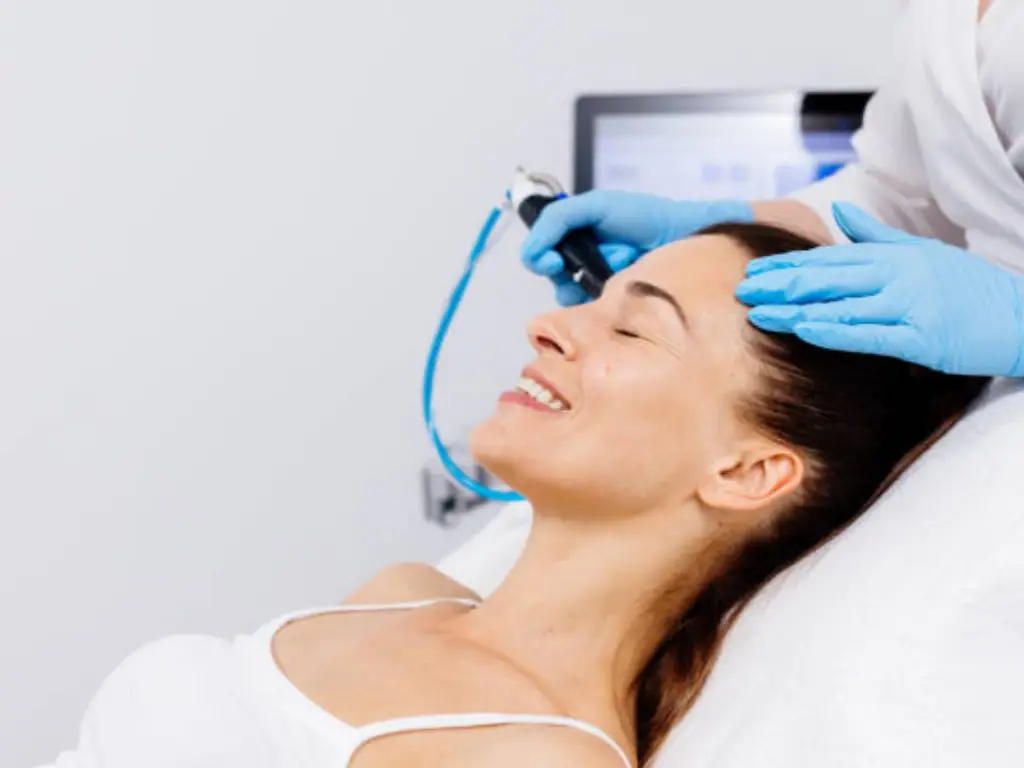
Evaluating the key differences between professional procedures helps you pick the right service for your personal care routine. Patients often want to know what to expect during and after each treatment before booking an appointment. Comparing a hydrafacial vs chemical peel reveals major variations in comfort, recovery time, and physical outcomes.
Procedure Experience and Comfort
Sensations During Care
The hydrafacial experience feels soothing and gentle on your skin. Professional hydrodermabrasion tips glide smoothly over your face while delivering liquid nutrients. The specialized system applies fluid flow and vacuum suction to extract pore impurities without pulling your dermal tissue. You feel a cool, refreshing sensation throughout the entire cleansing process.
Chemical solutions create a very different physical feeling on your face. A practitioner applies specialized liquid acids to dissolve cellular bonds on your surface layer. You usually feel mild tingling, gradual warming, or tight sensations while the solution activates.
Discomfort and Pain Levels
You will experience no pain during a hydrafacial session. High-tech equipment uses steady suction pressure to clear clogged pores safely. Gentle fluid infusion soothes your face while removing blackheads. This non-invasive process offers clear benefits for individuals who dislike harsh manual extractions.
The chemical peel experience involves temporary discomfort depending on acid strength. Light surface applications cause mild stinging, but medium resurfacing formulas create noticeable heat. Practitioners often use handheld fans to cool your skin during the active chemical phase.
Recovery and Downtime
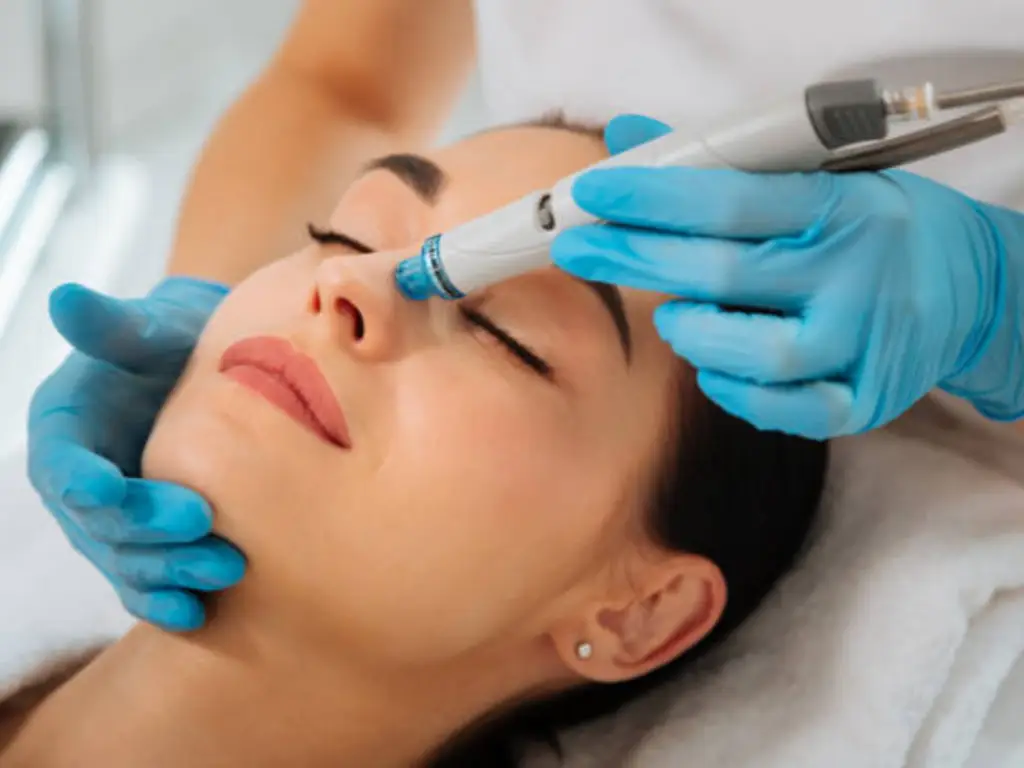
Immediate Radiance with Zero Downtime
A hydrafacial delivers immediate surface results without forcing you to pause your normal routine. Gentle hydrodermabrasion technology removes outer debris while pumping protective antioxidants directly into open pores. Your skin displays a healthy, dewy glow right after you leave the clinic chair. You can apply makeup and attend social events immediately after your session ends.
This fast recovery makes automated hydrodermabrasion ideal for busy schedules. The non-irritating process preserves your natural skin barrier while improving overall smoothness. You enjoy clear skin texture without experiencing facial inflammation or peeling.
Visible Peeling and Redness Timeline
A traditional chemical peel requires a dedicated healing period. Your face will show noticeable redness for several days after an acid application. Outer tissue layers dry out, crack, and flake away as new epidermal cells surface. Medium-depth peels usually require 7 to 14 days of downtime for complete healing.
You must avoid direct sunlight and heavy exercise while your outer layer sheds. Touching or picking peeling skin increases your risk of scarring and hyperpigmentation. Your fresh skin tissue appears smooth and bright once the recovery phase finishes completely.
Side-by-Side Comparison of Options

You can make a smart decision for your face by examining a direct side-by-side comparison of your professional aesthetic care options. Each clinical procedure offers distinct physical advantages tailored to specific lifestyle demands and cosmetic targets. Evaluating these technologies helps you select the right approach for your unique facial needs. Learning how each treatment works ensures optimal long-term results.
Results and Longevity
Immediate Hydration vs Long-Term Correction
A hydrodermabrasion procedure delivers instant results for your face. You receive smooth texture and deep surface hydration right away because the system vacuums pores while infusing active nutrient solutions into your outer dermal layer. Patients often schedule this service right before major social gatherings, weddings, or professional photo shoots. The process creates a luminous surface without requiring any post-care recovery days. Your face feels soft and refreshed immediately after care. Gentle suction cleans out impurities while topical antioxidants shield your skin from daily environmental stressors.
A single HydraFacial delivers an immediate glow and hydration boost that typically lasts about 5-7 days for most patients.
Conversely, an acid exfoliation process focuses on deep structural changes within your dermal tissue. You will not see instant cosmetic improvements because the active chemical solution must break down old cellular bonds first. Your outer tissue layer undergoes visible flaking and shedding over several days. However, this controlled peeling process prompts fresh cellular turnover beneath the surface. You achieve cumulative corrections for stubborn sun damage, rough texture issues, and post-acne scarring over a longer timeframe.
Treatment Frequency and Maintenance
You must establish a continuous appointment schedule to preserve your complexion health over time. Estheticians usually recommend monthly hydrafacial sessions for standard maintenance. Regular monthly care cleans out continuous pore congestion, balances surface oil production, and maintains optimal hydration levels throughout the year. Consistent monthly appointments help prevent future clogged pores and dullness. Your provider adjusts serum blends during each visit to address seasonal changes and evolving personal goals.
Acid peeling schedules depend entirely on formula strength and targeted resurfacing depth. You can receive light surface applications every two to four weeks for basic maintenance. Medium resurfacing procedures require longer rest periods between clinical visits. Your dermal tissue needs adequate time to rebuild its protective natural barrier completely. Consistent long-term scheduling yields superior skin rejuvenation by stimulating deep structural collagen production over consecutive months of care.
Financial and Time Investment
Average Per-Session Costs
Understanding overall financial commitments helps you plan your personal beauty budget effectively. Price points vary based on provider experience, geographical clinical location, and specialized device capabilities.
| Treatment | Cost Range | National Average |
| HydraFacial | $150 – $300 | $225 |
| Acid Peel | $150 – $300 | N/A |
Basic superficial acid applications share a similar entry price range with automated hydrodermabrasion systems. However, advanced medium or deep resurfacing options cost significantly more due to specialized application protocols, higher acid concentrations, and required clinical monitoring. Clinics often bundle multiple sessions into package deals to lower individual service costs. Investing in regular professional care protects your skin health while optimizing your overall facial maintenance expenditure.
Series Requirements for Maximum Results
Your available personal time determines which option fits your lifestyle best. A single hydrodermabrasion session takes only thirty to forty-five minutes in a provider office. You can leave the clinic chair and return directly to your daily work routine immediately. This convenient single-session approach offers clear benefits for fast event preparation and ongoing monthly skin upkeep. Consulting an esthetician allows you to build a safe schedule tailored to your exact skin type.
Structural repair requires multi-session treatment plans spread across several months of care. You must plan for multiple days of flaking and social recovery after each corrective session.
For extensive sun damage, a series of 4 to 8 treatments using medium-depth peels or a combination of light and medium peels is typically required.
Deciding between a hydrafacial vs chemical peel depends on your primary skincare targets and your willingness to manage downtime. Painless automated hydrodermabrasion gives you an impressive surface glow without forcing you to pause your active social calendar. In contrast, an acid peel removes damaged outer skin layers to clear stubborn structural imperfections over time. Combining these clinical technologies delivers optimal outcomes for your overall skincare strategy. Selecting an advanced skin rejuvenation treatment helps you maintain a vibrant, healthy appearance year-round.
Which Treatment Is Best for Your Skin Concerns?
Choosing appropriate clinical care depends on your primary cosmetic goals. Identifying which treatment is best requires evaluating how specific technologies target your distinct facial conditions.
Acne and Pore Congestion
Blackheads and Active Breakouts
Congestion forms when excess sebum mixed with dead cellular debris fills your facial pores. Automated hydrodermabrasion vacuums out open comedones gently without pulling your delicate dermal tissue. This mechanical process clears trapped oil while delivering purifying fluids deeply into open pores.
Acid-based solutions offer alternative mechanisms for active breakouts. Salicylic acid penetrates lipid-rich environments to break down stubborn follicular clogs directly.
Studies indicate a 40–50% reduction in acne lesions after a series of salicylic acid peel treatments.
Post-Acne Scarring and Hyperpigmentation
Deep blemishes often leave behind persistent textural damage and dark mark discolorations. Medical providers frequently recommend acid solutions to treat stubborn acne scars and pigmentation issues. Acid applications accelerate surface cell turnover to lift discolored epidermal cells over sequential visits.
Clinical research shows mixed findings regarding scar repair outcomes. Patel et al. (2014) conducted a systematic review using GRADE scoring to evaluate treatments for atrophic acne scars. They found that while evidence supports the efficacy of chemical peel therapy, overall evidence quality remains low. The Cochrane review by Abdel Hay (2016) reported very low-quality evidence that chemical peeling provides comparable scar improvement to skin needling (RR 1.24, 95% CI 0.87-1.75). However, it noted an increased risk of hyperpigmentation (RR 16.0, 95% CI 0.99-258.36).
Hyperpigmentation and Sun Damage
Matching your specific condition to the appropriate technology accelerates your path toward clear skin.
| Skin Target | HydraFacial Target | Chemical Peel Target |
| Surface Texture | Mild pore congestion | Rough texture |
| Tone & Color | Dull or fatigued skin | Hyperpigmentation and melasma |
| Damage Level | Pre-event skin preparation | Heavy sun damage |
| Maintenance | Regular monthly care | Deep cellular turnover |
Surface Dullness and Uneven Tone
Environmental exposure creates a buildup of dead cells across your face. Gentle liquid exfoliation restores immediate clarity by sweeping away loose surface debris. Infusing active antioxidant serums immediately after clearing pores refreshes dull facial areas without forcing recovery breaks.
Selecting the best facial for your skin ensures steady improvements without triggering unexpected inflammation. Automated hydrodermabrasion balances uneven skin tone effectively during monthly routine maintenance visits.
Stubborn Melasma and Deep Spots
Deeper pigment issues demand targeted chemical solutions that penetrate beyond top surface layers. High-concentration acid formulas target deep sun spots by breaking down dense melanin clusters over time.
You must allow damaged outer tissue to flake away completely after each application. Consistent professional guidance helps you achieve noticeable structural results while minimizing post-inflammatory dark marks.
Aging and Sensitive Skin
Fine Lines and Dehydration
Aging facial tissue loses structural moisture, creating noticeable fine lines and surface dryness. Controlled fluid delivery restores vital surface moisture while plumping shallow facial creases immediately.
Modern hydrodermabrasion systems deliver key anti-aging advantages for maturing skin types:
Provides instant hydration for dry skin while effectively addressing dehydration.
Smooths fine lines and wrinkles to create a more youthful appearance.
Uses non-invasive delivery suitable for diverse skin profile needs.
Combines red LED therapy with specialized serums to boost firmness.
Reactive Skin and Rosacea Safety
Sensitive facial profiles require extreme care to prevent unexpected redness and barrier disruption. Hydrafacial equipment offers safe, adjustable suction settings to cleanse reactive facial areas without causing surface trauma. The gentle liquid flow cools irritated tissue during active treatment delivery.
According to the Kingsley Clinic, chemical peels are safe for rosacea patients when performed by experienced professionals using gentle peels.
Practitioners select mild acid concentrations to smooth rough texture without triggering severe flushing. Rosacea patients must apply broad-spectrum sunscreen containing zinc oxide or titanium dioxide daily following any resurfacing care. Proper sun protection shields vulnerable skin, prevents painful flare-ups, and supports ideal skin rejuvenation.
Protocols and Safe Combinations
Pre-Treatment Preparation Guidelines
Pausing Active Topicals
You must prepare your face carefully before undergoing resurfacing procedures. Estheticians recommend starting skin priming 2 to 4 weeks prior to intensive care. Proper preparation helps your skin tolerate active ingredients and prevents irritation during your appointment.
You need to pause potent formulas to protect your natural barrier. You should discontinue these specific active topicals in the target area 7 days before your session:
Topical retinoids, including Retin-A, tretinoin, and adapalene
Vitamin C concentrates and high-potency antioxidants
Glycolic acid, salicylic acid, and other hydroxy acids
Additionally, stop using hydroquinone, kojic acid, azelaic acid, and topical corticosteroids 3 to 5 days before your visit. Avoid benzoyl peroxide and drying exfoliants entirely on the day of your service.
Sun Protection Rules
You must avoid direct sun exposure before taking any clinical therapy. UV rays weaken your protective surface barrier and increase inflammation risks. Apply broad-spectrum sunscreen every morning to preserve tissue health.
Sun safety remains essential after your professional session ends. Shielding fresh tissue prevents post-inflammatory hyperpigmentation and protects your clinical results. Wear wide-brimmed hats and avoid midday sunlight whenever you plan outdoor activities.
Choosing the Right Treatment Plan
Layering Protocols for Advanced Results
Combining complementary clinical services can enhance your overall skin care routine. Skilled providers often combine deep pore cleansing with mild exfoliation to yield maximum benefits. You achieve cleaner pores and smoother texture when you customize your appointment sequence.
A hydrafacial session cleanses and hydrates surface tissue thoroughly without causing redness. Providers can layer gentle nourishing serums into fresh pores right after clearing cellular debris. This combined approach strengthens your barrier and maximizes skin rejuvenation.
Alternating Sessions Safely
You can schedule different clinical modalities across consecutive months to address distinct cosmetic targets. Alternating hydrodermabrasion care with a targeted chemical peel allows your tissue to rebuild between visits. This balanced strategy corrects surface congestion while building structural strength over time.
You must allow your facial tissue adequate rest between active procedures. Spacing your appointments 4 weeks apart gives your surface layer enough time to heal fully. You protect long-term dermal health and achieve the best aesthetic outcomes when you follow a structured clinical calendar.
Final Decision Framework
Personalized Selection Checklist
Selecting aesthetic care requires a clear evaluation of your personal schedule and dermal condition. You make a smart decision when you analyze your personal targets alongside practical lifestyle commitments. Making the right choice means balancing your cosmetic expectations with your personal budget and daily routine.
| Goal | Downtime Tolerance | Best Fit |
| Smooth, fresh skin for an event next week | Almost none | Hydrafacial or classic facial |
| Decongestion and smoother texture for blackheads | Mild redness acceptable | Hydrafacial or classic facial depending on provider |
| Improve post-acne marks over months | Some flaking acceptable | Chemical peel |
| Hydration and calm for dry, reactive skin | Very low | Gentle classic facial first |
You must identify the exact issues your care plan targets before booking a clinical session. Always review which active skincare topicals you must pause before and after your procedure. You should also evaluate whether your personal budget supports continuous maintenance or single appointments. Understanding expected result timelines and first-week recovery steps helps you select the optimal approach for your long-term skin health.
Event Timelines and Social Downtime
Upcoming social gatherings strictly dictate your clinical appointment schedule. A hydrafacial serves as the gold standard for event preparation because the non-invasive process delivers zero downtime. You can safely schedule your session 24 to 48 hours before your major function. This gentle procedure leaves your skin glowing instantly without causing unexpected redness or active flaking.
Chemical resurfacing protocols require a generous buffer window before public appearances. Booking an acid application too close to an important gathering remains a frequent mistake. A light chemical peel requires a buffer of 2 to 3 days for mild surface flaking to subside. Medium peels demand 4 to 7 days of dedicated recovery time. A VI Peel requires at least 10 days of healing time before your event.
Skin Barrier Health Assessment
Your current barrier state determines how well your facial tissue tolerates active resurfacing technology. Dry or reactive skin requires gentle moisture restoration to prevent persistent irritation. You must focus on calming active sensitivity and restoring surface hydration before attempting deep acid applications.
Evaluating your barrier integrity helps you determine the safest path forward. Strong skin barriers tolerate deeper exfoliation and support fast cellular turnover. Selecting the best procedure protects your natural moisture shield while correcting stubborn cosmetic concerns. Comparing a hydrafacial vs chemical peel with a licensed esthetician helps you build a safe, personalized regimen.
Deciding between a hydrafacial vs chemical peel depends on your personal goals. A hydrafacial provides instant hydration, painless extractions, and a radiant glow with zero downtime. Alternatively, an acid peel delivers deeper resurfacing for stubborn pigmentation and structural scars.
You should schedule a professional consultation before choosing your care routine. Advanced clinics use integrated skin analyzer technology, like MinXu multi-functional platforms, to diagnose your underlying skin condition accurately. This evaluation highlights the best options for your unique profile. You experience key benefits when experts assess your skin. Contact a licensed aesthetician or dermatologist today to customize your personal treatment schedule.
FAQ
Can you combine a HydraFacial and a chemical peel?
You can alternate these professional procedures across consecutive months safely. Layering both technologies during a single clinical session requires expert esthetician evaluation. Spacing your appointments four weeks apart protects your natural skin barrier while maximizing overall rejuvenation.
How long do the results of each treatment last?
A single HydraFacial delivers immediate surface hydration and a glowing complexion for about 5 to 7 days. Conversely, acid peels trigger deep cellular turnover. Controlled chemical peeling provides cumulative, long-term structural corrections for stubborn texture issues and sun damage.
Is a HydraFacial or chemical peel better for active acne?
HydraFacial equipment vacuums out blackheads gently and clears pore congestion without causing surface irritation. Alternatively, chemical solutions penetrate deep lipid environments to dissolve active follicular clogs. Your provider selects the best option based on your current breakout severity.
Do you need recovery downtime after these procedures?
HydraFacial treatments require zero recovery downtime. You can resume daily activities and apply makeup immediately after your session. Chemical peels require a dedicated healing period. Medium-depth resurfacing applications cause visible redness and flaking for 7 to 14 days.
How much do these professional skin treatments cost?
A single HydraFacial session costs between $150 and $300 on average. Basic superficial acid peels fall into a similar price range. Advanced medium-depth resurfacing protocols cost significantly more due to higher acid concentrations and required clinical supervision.
Which option is safest for reactive or sensitive skin?
Automated hydrodermabrasion systems safely refresh sensitive skin through cooling fluids and adjustable vacuum settings. Chemical peels require extreme caution on reactive dermal layers. Always consult a licensed esthetician to evaluate your barrier health before scheduling acid applications.
Discover more from Minxu
Subscribe to get the latest posts sent to your email.