

Contents
- 1 Key Takeaways
- 2 HydraFacial Overview
- 3 Microdermabrasion Overview
- 4 HydraFacial vs. Microdermabrasion: Key Differences
- 5 Suitability for Skin Types & Concerns
- 6 Microdermabrasion vs. HydraFacial: Summary Table
- 7 FAQ
- 7.1 How often should you get a HydraFacial or microdermabrasion?
- 7.2 Can you combine HydraFacial and microdermabrasion?
- 7.3 Is there any downtime after HydraFacial or microdermabrasion?
- 7.4 Which treatment is better for sensitive skin?
- 7.5 What results can you expect after one session?
- 7.6 Are these treatments safe for teens?
- 7.7 How do you care for your skin after treatment?
- 7.8 Can you do these treatments at home?
- 8 Contact Us Now!

You might wonder which treatment is best for you: HydraFacial or microdermabrasion. Dermatologists often recommend HydraFacial for sensitive skin because it uses a gentler, liquid-based approach. MinXu’s HydraFacial stands out as a soothing option that works well for all skin types. If you have less sensitive skin and want strong exfoliation, microdermabrasion could suit your needs. Consider your skincare goals and how your skin reacts to treatments. See the comparison below to help decide which treatment is best for you:
| Treatment | Suitable for Sensitive Skin | Downtime | Side Effects |
| HydraFacial | Yes | Minimal | Fewer side effects |
| Microdermabrasion | No | Longer recovery | Temporary redness, irritation |

HydraFacial vs. Microdermabrasion is a common question. Your unique skin needs will guide your choice.
Key Takeaways
HydraFacial is ideal for sensitive skin due to its gentle, liquid-based approach.
Microdermabrasion offers strong exfoliation, making it suitable for less sensitive skin types.
HydraFacial provides immediate results with deep hydration and a radiant glow.
Microdermabrasion helps improve skin texture and reduces fine lines over time.
Both treatments have minimal downtime, but HydraFacial allows for immediate return to daily activities.
HydraFacial uses advanced vortex-fusion technology for effective cleansing and hydration.
Microdermabrasion uses physical exfoliation to remove dead skin cells and improve skin clarity.
Consult a skincare professional to determine which treatment best fits your skin type and goals.
HydraFacial Overview
What Is HydraFacial?
HydraFacial is a modern facial treatment that combines cleansing, exfoliation, extraction, and hydration in one session. You experience a gentle, liquid-based approach that uses advanced technology to improve your skin’s health and appearance. MinXu’s HydraFacial stands out because it works for all skin types and gives you instant results with no downtime.
Multi-Step Process
HydraFacial uses a unique multi-step process to care for your skin. Each step plays a key role in delivering visible results. Here is a breakdown of the main steps and how they help your skin:
| Step | Description | Contribution to Skin Health |
| 1 | CLEANSE + PEEL: Uncovers a new layer of skin with gentle exfoliation and relaxing resurfacing. | Prepares the skin for further treatment by removing dead skin cells and impurities. |
| 2 | EXTRACT + HYDRATE: Removes debris from pores with painless suction and nourishes the skin with intense moisturizers. | Cleanses pores and provides hydration, improving skin texture and appearance. |
| 3 | FUSE + PROTECT: Saturates the skin’s surface with antioxidants and peptides. | Enhances skin glow and protects against environmental damage. |
You get a complete facial experience that leaves your skin feeling refreshed and renewed.
Vortex-Fusion Technology
HydraFacial uses vortex-fusion technology to deliver powerful results. This technology creates a swirling motion that lifts away impurities while infusing your skin with nourishing serums. You benefit from deep cleansing, gentle exfoliation, and hydration and serum infusion all at once. The process feels comfortable and relaxing, making it a favorite among people who want effective skincare without discomfort.
Benefits
HydraFacial offers several benefits that make it a popular choice for facial treatments. You can expect:
Deep Cleansing
The treatment removes dirt, oil, and dead skin cells from your pores. You notice your skin looks clearer and feels smoother after just one session.
Hydration
HydraFacial infuses your skin with moisture-rich serums. This step helps your skin stay hydrated, soft, and healthy. You see a natural glow that lasts.
Immediate Results
You see instant results after your first treatment. Your skin appears brighter, more even, and refreshed. Studies show that 100% of people report clearer skin and improved confidence after HydraFacial sessions. Many also notice a reduction in acne and better overall skin appearance.
Who Is HydraFacial For?
HydraFacial is suitable for almost everyone. Skincare professionals recommend it for a wide range of people.
All Skin Types
You can choose HydraFacial whether you have dry, oily, combination, or normal skin. The treatment adapts to your needs and delivers consistent benefits.
Sensitive Skin
If you have sensitive skin, HydraFacial is a gentle option. The liquid-based process avoids harsh scrubbing or irritation. You enjoy a soothing facial that leaves your skin calm and glowing.
Tip: HydraFacial works well for both men and women, and people of all ages. Many Gen Z consumers and adults choose this treatment for its comfort and visible results.
Side Effects
When you choose a hydrafacial, you want to know what to expect. Most people find this treatment gentle and comfortable. However, you may notice some mild reactions after your session. These effects usually go away quickly and do not cause lasting problems.
Common Reactions
You might experience some temporary changes in your skin right after a hydrafacial. According to recent clinical studies, the most frequently reported side effects include:
Irritation
Breakouts
Skin dryness
Feeling of tightness
These reactions often last only a few hours. You can usually return to your daily activities right away. If you have sensitive skin, you may notice these effects a bit more, but they remain mild for most people.
Note: You can help your skin recover by using gentle moisturizers and avoiding harsh products for a day or two after your treatment.
Rare Risks
Serious side effects from a hydrafacial are very rare. Some people with allergies or very sensitive skin may react to certain ingredients in the serums. If you have a history of skin allergies, you should tell your skincare provider before your session. In rare cases, you could see more intense redness or swelling. If this happens, contact your provider for advice.
Cost
You may wonder how much a hydrafacial costs and what factors affect the price. The cost can change depending on where you live and who performs the treatment.
Price Range
In 2026, the average cost of a hydrafacial session ranges from $199 to $300. This price covers the full multi-step process, including cleansing, exfoliation, extraction, and hydration. Many people find the results worth the investment, especially when compared to other facial treatments.
Factors Affecting Cost
Several things can influence the price of your hydrafacial:
Geographic location: Prices tend to be higher in large cities and lower in smaller towns.
Practitioner skill level: Experienced providers may charge more for their expertise.
Clinic reputation: Well-known clinics often set higher prices.
Add-on treatments: Some clinics offer extra services, such as LED therapy or special serums, which can increase the total cost.
You should ask about all fees before booking your appointment. This helps you plan your skincare budget and avoid surprises.
Tip: Many clinics offer package deals if you book multiple hydrafacial sessions at once. This can help you save money over time.
Microdermabrasion Overview

What Is Microdermabrasion?
Microdermabrasion is a popular skincare treatment that helps you achieve smoother and brighter skin. You experience a non-invasive procedure that uses a special device to gently polish the surface of your skin. This method of exfoliation removes dead skin cells and reveals a fresher layer underneath. Many people choose microdermabrasion because it works quickly and does not require much recovery time. You can use this treatment on your face, neck, chest, or even your hands.
Physical Exfoliation
During microdermabrasion, a technician uses a minimally abrasive tool to resurface your skin. The tool often contains fine crystals or a diamond tip. As the device moves across your skin, it lifts away dull and rough patches. You notice your complexion looks brighter and feels softer right after the session. Unlike chemical peels, which go deeper, microdermabrasion focuses on the outermost layer. This makes it a gentle option for regular maintenance.
Vacuum Technology
The device also uses gentle vacuum suction. This technology helps remove the loosened dead skin cells and stimulates blood flow. You benefit from improved circulation, which can support your skin’s natural healing process. The vacuum action also helps unclog pores and clear away debris. You get a clean, refreshed feeling after each treatment.
Benefits
Microdermabrasion offers several advantages for your skin. You can see and feel the difference after just one session.
Texture Improvement
You may notice your skin feels smoother and looks more even. Clinical studies show that microdermabrasion can stimulate collagen production. This helps firm your skin and reduce the appearance of fine lines. Over time, you can expect better skin structure and a more youthful look.
| Study Type | Findings |
| Clinical Study | Stimulates collagen synthesis, leading to skin firming and reduction in fine lines. |
| Histological Analysis | Increased collagen fiber density and improved epidermal thickness after multiple treatments. |
| Journal Reference | Enhances skin structure by promoting organized collagen formation, leading to smoother skin. |
Exfoliation
You get effective exfoliation with microdermabrasion. The treatment removes surface impurities and helps brighten your complexion. Many people report high satisfaction with the results. You may see improvements in skin softness, tone, and clarity. Microdermabrasion is a surface-level treatment, so the results are subtle and temporary. You can use it as a maintenance option to keep your skin looking its best.
Who Is Microdermabrasion For?
You might wonder if microdermabrasion is right for you. This treatment works well for certain skin types and concerns.
Oily Skin
If you have oily skin, you may benefit from microdermabrasion. The vacuum technology helps clear out excess oil and unclog pores. You can see fewer blackheads and a smoother texture. People with acne scars, sun damage, or dark spots also find this treatment helpful.
Non-Sensitive Skin
Microdermabrasion suits those with non-sensitive skin. If your skin tolerates physical treatments well, you can enjoy the benefits without much discomfort. This option is great for addressing uneven skin texture, dullness, and fine lines. You may want to compare microdermabrasion vs. hydrafacial if you have sensitive skin or need extra hydration.
Tip: Microdermabrasion can help with issues like hyperpigmentation, melasma, wrinkles, and stretch marks. Always talk to a skincare professional to see if this treatment fits your needs.
You may also want to consider the cost and how it compares to other treatments. Microdermabrasion vs. hydrafacial remains a common question for people looking for the best way to care for their skin.
Side Effects
Microdermabrasion gives you a quick way to refresh your skin, but you should know about possible side effects. Most people experience mild reactions that fade within hours. You may notice your skin looks red or feels sensitive after the session. These effects happen because microdermabrasion uses physical exfoliation to remove dead skin cells.
Redness
Redness is the most common side effect. Your skin may appear pink or flushed right after microdermabrasion. This happens because the device gently polishes your skin’s surface. The redness usually lasts a few hours, but sometimes it can continue for a day. You can help your skin recover by using a gentle moisturizer and avoiding harsh products.
| Side Effect | Duration |
| Temporary redness | A few hours to a day |
| Sensitivity | A few hours to a day |
| Slight swelling | A few hours to a day |
Discomfort
You may feel mild discomfort during or after microdermabrasion. The sensation is similar to a light scratching or tingling. Some people report slight swelling or tightness. These feelings usually disappear quickly. If you have sensitive skin, you might notice these effects more. You can reduce discomfort by following aftercare instructions from your skincare provider.
Note: Microdermabrasion rarely causes serious side effects. If you see unusual swelling or lasting irritation, contact your provider for advice.
Cost
Microdermabrasion offers a range of options to fit your budget. You can choose single sessions or package deals. The cost depends on the type of treatment and the clinic’s location.
Price Range
In 2026, microdermabrasion costs vary based on the method and the number of sessions. You can expect to pay between £50 and £150 for an individual session. Crystal microdermabrasion averages £154 per session. Diamond-tip microdermabrasion ranges from £200 to £400 per session. Complete series packages cost between £250 and £2,400.
| Treatment Type | Price Range |
| Individual Treatments | £50 – £150 per session |
| Complete Series Packages | £250 – £2,400 |
| Crystal Microdermabrasion | £154 per session |
| Diamond-Tip Microdermabrasion | £200 – £400 per session |
Factors Affecting Cost
Several factors influence microdermabrasion costs. Location plays a big role. Clinics in large cities often charge more. The experience of your provider can also affect the price. Some clinics offer package deals, which lower the cost per session. The type of device used, such as crystal or diamond-tip, changes the cost as well. You should ask about all fees before booking your appointment.
Tip: You can save money by choosing package deals or looking for seasonal promotions. Always check what is included in the price, such as aftercare products or follow-up visits.
Microdermabrasion gives you a way to improve your skin’s texture and appearance. You can enjoy smoother skin with minimal downtime. Knowing the side effects and costs helps you make an informed decision.
HydraFacial vs. Microdermabrasion: Key Differences

Technology
Vortex-Fusion vs. Vacuum
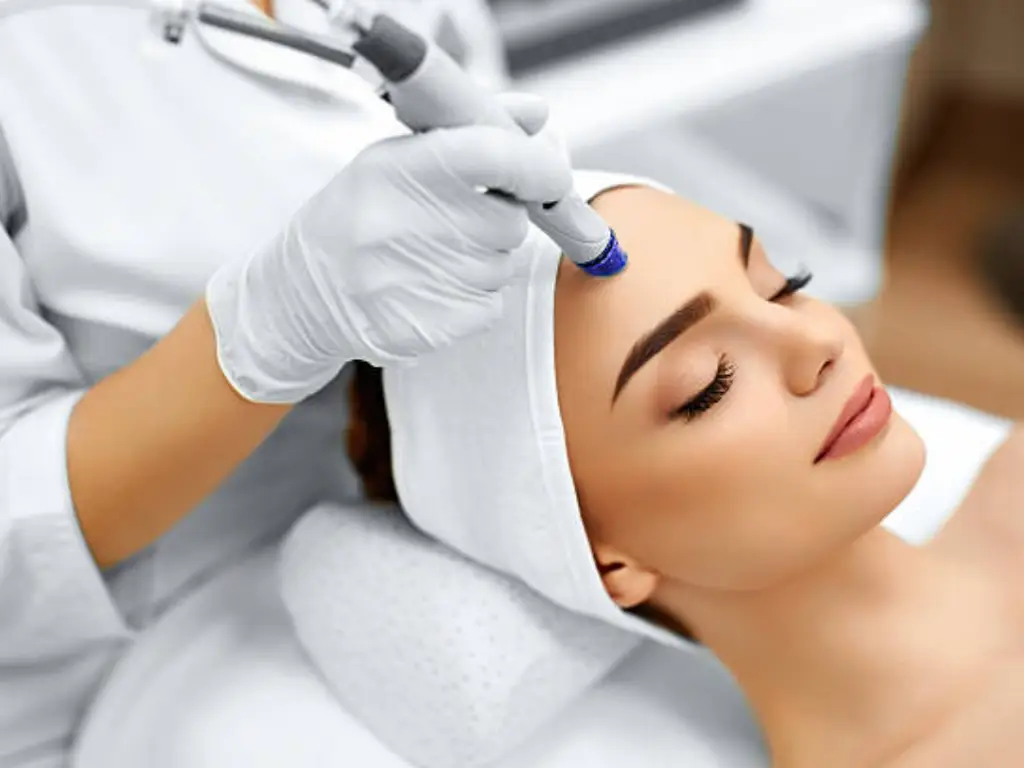
When you compare hydrafacial vs. microdermabrasion, the technology behind each treatment stands out as one of the key differences. HydraFacial uses vortex-fusion technology, which combines liquid-based exfoliation with serum infusion. This method gently lifts impurities and delivers nutrients deep into your skin. Microdermabrasion relies on vacuum and abrasive technology. The device uses a diamond tip or crystals to physically exfoliate your skin while a vacuum removes dead cells.
Here is a table that highlights the main technological differences:
| Aspect | HydraFacial | Microdermabrasion |
| Exfoliation Method | Liquid vortex and fusion technology | Vacuum and abrasive technology |
| Comfort Level | More comfortable, less irritation | Can cause temporary redness or sensitivity |
| Customization | Offers tailored serums and boosters | One-size-fits-all treatment |
| Skin Type Suitability | Suitable for all skin types | Better for normal to less sensitive skin |
HydraFacial adapts to your unique skin needs. You receive customized serums and boosters during your facial. Microdermabrasion offers a more uniform approach, which works best for less sensitive skin. If you want a gentle, non-invasive facial treatment, hydrafacial vs microdermabrasion shows that vortex-fusion technology provides a more comfortable experience.
Process
Multi-Step vs. Single-Step
The process is another area where hydrafacial vs microdermabrasion differs. HydraFacial delivers a multi-step treatment. You experience cleansing, exfoliation, extraction, and hydration in one session. Each step targets a specific skin concern and enhances the overall results. Microdermabrasion focuses on a single-step process. The technician uses an abrasive tool to exfoliate your skin, followed by vacuum suction to remove debris.
Here is a comparison table:
| Treatment | Steps Involved | Duration & Recovery Time |
| Microdermabrasion | Primarily focuses on physical exfoliation | Slight redness and sensitivity for a few days |
| HydraFacial | Integrates cleansing, exfoliation, extraction, and hydration | Immediate results with no downtime |
HydraFacial’s multi-step process gives you a comprehensive facial. You benefit from deep cleansing, painless extractions, and hydration infusion. Microdermabrasion offers quick exfoliation but may leave your skin sensitive for a short period. If you want immediate results and minimal after-effect and downtime, hydrafacial vs. microdermabrasion shows that HydraFacial stands out.
Tip: HydraFacial combines several therapeutic steps, including lymphatic drainage, chemical peels, and LED light therapy. You get a complete skincare experience in one session.
Results
Hydration vs. Exfoliation
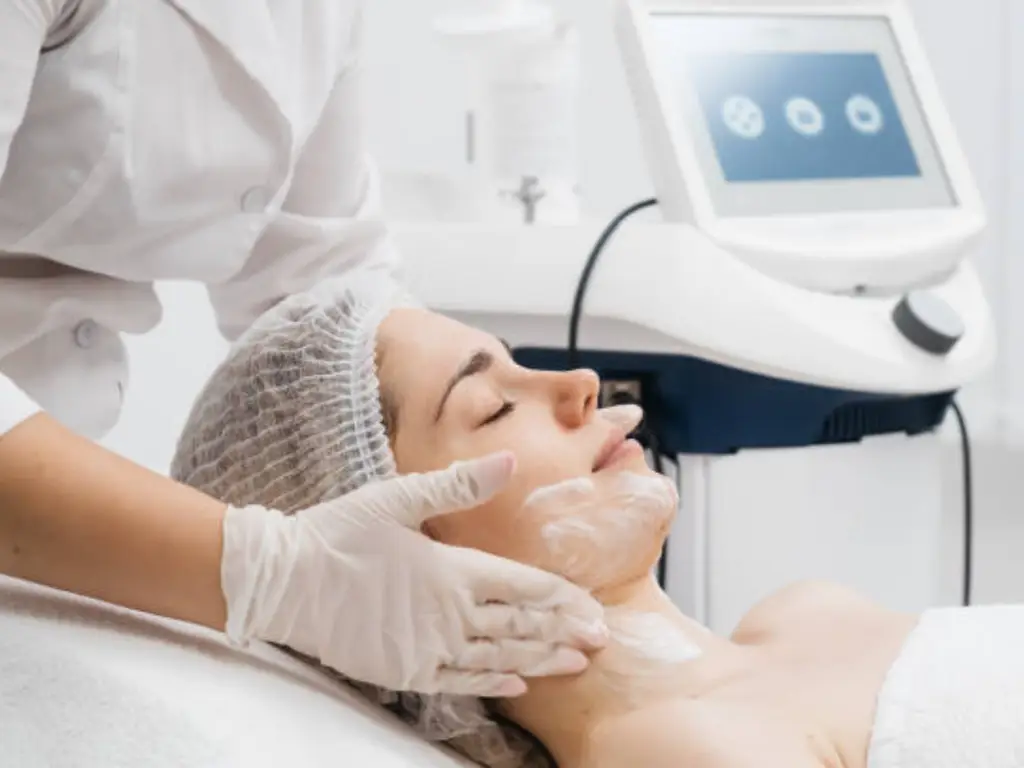
Comparing the results of hydrafacial vs microdermabrasion helps you decide which treatment fits your goals. HydraFacial focuses on long-lasting hydration and nourishment. You see a brighter, more even complexion right after your facial. Clinical studies show a 338% increase in skin hydration 24 hours after HydraFacial with the Hydralock HA Booster. The treatment also enhances the absorption of topical products, making your skincare routine more effective.
Microdermabrasion delivers strong exfoliation. You notice smoother skin and improved texture. The results and frequency of treatments depend on your skin type and goals. Microdermabrasion works well for removing dead skin cells and reducing dullness. However, the hydration effect is limited compared to HydraFacial.
HydraFacial combines deep cleansing, mechanical exfoliation, chemical peels, painless extractions, targeted serums, and hydration infusion.
You experience immediate results and a radiant glow.
Microdermabrasion offers surface-level exfoliation and temporary improvements in skin texture.
If you want hydration, nourishment, and visible results, hydrafacial vs. microdermabrasion shows that HydraFacial provides a more comprehensive solution. If your main goal is exfoliation, microdermabrasion can help you achieve smoother skin.
Note: Comparing the results and frequency of treatments helps you choose the best option for your skincare needs.
Downtime
Recovery Time
You want to know how much time your skin needs to recover after a facial treatment. HydraFacial and microdermabrasion have different recovery times. HydraFacial gives you minimal downtime. Most people return to their normal activities right away. You may see a healthy glow and feel hydrated immediately after the session.
Microdermabrasion usually needs a short recovery period. Your skin might look red or feel dry for up to 24–48 hours. Some people notice mild tightness or discomfort, but these effects fade quickly.
Here is a table to help you compare the downtime for each treatment:
| Treatment | Downtime Description |
| HydraFacial | Minimal downtime; most return to normal activities immediately. |
| Microdermabrasion | Short recovery period; potential redness or dryness lasting up to 24–48 hours. |
You can see that HydraFacial is more comfortable and gentle on your skin. You get immediate hydration and a refreshed look. Microdermabrasion may cause mild redness or tightness, but this usually goes away within a day or two.
Side Effects
Irritation vs. Comfort
You may wonder how your skin will feel after each treatment. HydraFacial is known for its gentle approach. Most people experience little to no irritation. You might notice slight redness, but it fades quickly. The treatment feels soothing and comfortable, even for sensitive skin.
Microdermabrasion uses physical exfoliation, so you may feel more intense sensations. Your skin can look pink or feel tight after the session. Some people report mild discomfort or swelling, but these effects do not last long.
| Treatment | Typical Sensation Post-Treatment |
| HydraFacial | Generally more comfortable and gentle, with minimal to no redness or irritation. |
| Microdermabrasion | Can feel more intense and may cause mild discomfort or redness, which typically subsides within a few hours. |
Tip: If you have sensitive skin or want a relaxing experience, HydraFacial is a great choice. If you prefer stronger exfoliation and your skin tolerates it well, microdermabrasion can work for you.
Cost Comparison
Price Differences
You also want to know how much each treatment costs. HydraFacial prices can vary a lot depending on where you live. Larger cities often have higher rates. The skill of your provider and the demand in your area also affect the price.
Microdermabrasion costs also change from place to place. Med spas in big cities usually charge more than those in smaller towns. The experience of the provider and the type of device used can influence the final price.
HydraFacial prices vary significantly by city and state.
Larger metropolitan areas typically have higher treatment rates.
Local market demand and provider expertise influence pricing.
Microdermabrasion costs can differ between practices and patients.
The location of the med spa significantly impacts costs.
Major metropolitan cities usually have higher costs compared to rural areas.
You should always ask about the total cost before booking your appointment. This helps you plan your budget and avoid surprises. Both treatments offer package deals, which can help you save money if you plan to get multiple sessions.
Suitability for Skin Types & Concerns
Oily & Acne-Prone Skin
If you have oily or acne-prone skin, you may struggle with clogged pores, blackheads, and breakouts. Both HydraFacial and microdermabrasion can help improve your skin’s appearance. HydraFacial uses a gentle, liquid-based process that deeply cleanses your pores and removes excess oil. Recent studies show that HydraFacial leads to a 100% positive response in people with acne, with clear improvements in acne severity and overall skin health. You may also consider laser therapy for more severe acne, but HydraFacial offers a non-invasive and comfortable option. Microdermabrasion can also help by exfoliating dead skin cells and reducing oil buildup. If your skin is not sensitive, you might benefit from the stronger exfoliation of microdermabrasion. For most people with oily or acne-prone skin, HydraFacial provides a safe and effective way to achieve clearer, smoother skin.
Tip: Regular treatments can help keep oil production under control and prevent future breakouts.
Dry & Sensitive Skin
Dry and sensitive skin needs gentle care. You want a treatment that hydrates without causing irritation. HydraFacial stands out as an excellent choice for these skin types. Here’s why:
HydraFacial is effective and safe for extremely sensitive skin.
You can return to your daily activities right after the procedure because there is no downtime.
The treatment works for all skin types, including dry and sensitive skin.
HydraFacial is customizable. Your provider can adjust the peel strength and serum formulas to match your skin’s needs.
The process is non-invasive and gentle, making it ideal for sensitive skin.
Microdermabrasion may not suit you if your skin reacts easily or feels dry. The physical exfoliation can sometimes cause redness or discomfort. If you want a soothing and hydrating experience, HydraFacial is a better fit.
Note: Always tell your skincare provider about your skin’s sensitivity before starting any treatment.
Aging Skin
As you age, you may notice fine lines, wrinkles, and a loss of skin elasticity. Both HydraFacial and microdermabrasion offer benefits for aging skin, but they work in different ways. The table below shows how each treatment helps:
| Treatment | Benefits for Aging Skin |
| HydraFacial | Plumps skin, reduces fine lines, improves elasticity, and provides instant hydration with no downtime. |
| Microdermabrasion | Promotes collagen production, minimizes wrinkles, brightens dull complexions, and improves texture. |
Microdermabrasion exfoliates your skin by removing dead cells. This process refreshes your complexion and helps reduce the look of fine lines and wrinkles. HydraFacial adds hydration and plumps your skin, making it look smoother and more youthful. You can choose either treatment based on your comfort level and skin goals.
If you want instant results and extra hydration, HydraFacial is a great option. If you prefer a focus on exfoliation and texture, microdermabrasion can help rejuvenate your skin.
Hyperpigmentation
You may notice dark spots or uneven skin tone on your face. These changes often come from sun exposure, acne scars, or hormonal shifts. If you want to reduce hyperpigmentation, both HydraFacial and microdermabrasion offer solutions. Each treatment works in a different way, so you should choose the one that matches your skin type and comfort level.
HydraFacial uses a gentle, liquid-based process. This treatment cleanses, exfoliates, and hydrates your skin in one session. You receive a boost of hyaluronic acid, which helps your skin hold moisture and look brighter. Many people see softer, more radiant skin after just one session. Over time, regular HydraFacial treatments can fade dark spots and even out your skin tone. You also get long-term moisture retention, which keeps your skin healthy and youthful.
Microdermabrasion takes a more aggressive approach. The device uses a diamond tip or crystals to physically exfoliate the top layer of your skin. This process removes dead skin cells and helps lighten areas of pigmentation. If you have significant dark spots or stubborn discoloration, microdermabrasion may give you faster results. However, this treatment works best if your skin is not sensitive or easily irritated.
Here is a table to help you compare both treatments for hyperpigmentation:
| Treatment | Effectiveness for Hyperpigmentation | Skin Type Suitability |
| Microdermabrasion | High (aggressive exfoliation) | Better for significant pigmentation issues |
| HydraFacial | Moderate (gentler, hydrating) | Suitable for sensitive or dehydrated skin |
You may want to start with HydraFacial if you have sensitive or dry skin. This treatment gives you hydration and comfort while working to fade dark spots. If you need stronger exfoliation, microdermabrasion can target deeper pigmentation. Some people choose to alternate between both treatments for the best results.
Tip: Consistency matters. You see the most improvement in hyperpigmentation when you schedule a series of treatments. Your skin will look brighter, smoother, and more even over time.
HydraFacial also supports your skin’s health in other ways. Studies show that regular sessions can thicken the outer and middle layers of your skin. You may notice new collagen forming, which helps your skin look firm and youthful. Patients often report that their skin feels softer and looks more radiant after a series of treatments.
If you want to address hyperpigmentation, talk to your skincare provider. They can help you choose the right treatment plan based on your skin’s needs and your personal goals.
Microdermabrasion vs. HydraFacial: Summary Table
Side-by-Side Comparison
Choosing between microdermabrasion and HydraFacial can feel confusing. You want clear facts to help you decide. The table below gives you a quick look at how these two treatments compare in important areas.
| Feature | Microdermabrasion | HydraFacial |
| Technology | Vacuum and abrasive technology | Liquid vortex and fusion technology |
| Treatment Time | 30 minutes | 45–60 minutes |
| Core Steps | Cleanse, mechanical exfoliation, suction, apply serum/SPF | Cleanse & peel, extract & hydrate, fuse & protect |
| Exfoliation Effectiveness | Stronger | Gentler |
| Hydration | Minimal | High |
| Customization | Moderate | High |
| Client Sensation | Gritty, sanding feeling | Cool, wet, tingling |
| Immediate Appearance | Pink or flushed skin | Dewy glow, minimal redness |
| Side Effects | Possible mild redness or swelling | No pain or redness |
| Best For | Normal, oily, or combination skin; texture and fine lines | All skin types, including sensitive; hydration and uneven tone |
| Technician Dependency | Higher | Lower |
| Primary Action | Subtractive & dry | Additive & hydrating |
| Satisfaction Rate (%) | 45.8 | 41.0 |
You see that microdermabrasion uses a dry, abrasive method. This treatment works well if you want to improve skin texture or reduce fine lines. You may feel a gritty or sanding sensation during the session. Your skin might look pink or flushed right after, but this fades quickly. Microdermabrasion suits normal, oily, or combination skin best.
HydraFacial uses a liquid-based vortex technology. You get a cool, wet, and tingling feeling during the treatment. Your skin looks dewy and fresh with almost no redness. HydraFacial fits all skin types, even if you have sensitive skin. You also get more hydration and a higher level of customization. The process feels gentle and relaxing.
Tip: If you want a treatment that focuses on hydration and comfort, HydraFacial is a strong choice. If you prefer a more intense exfoliation and your skin can handle it, microdermabrasion may work better for you.
Both treatments offer high satisfaction rates. Surveys show that 45.8% of people feel satisfied with microdermabrasion, while 41.0% report satisfaction with HydraFacial. Your personal preference and skin needs will guide your decision.
Microdermabrasion gives you stronger exfoliation and works best for texture issues.
HydraFacial gives you hydration, comfort, and a glowing look with less risk of irritation.
You can use this summary table to match your skin goals with the right treatment. Always talk to a skincare professional if you feel unsure about which option fits you best.
You see clear differences between HydraFacial and microdermabrasion. HydraFacial gives you deep hydration, immediate radiance, and customizable care. Microdermabrasion offers strong exfoliation and texture improvement. If you have sensitive skin or want minimal downtime, HydraFacial suits you best. For oily skin or dramatic texture changes, microdermabrasion works well. Always consult a skincare professional for personalized advice.
| Treatment | Key Benefits | Best For |
| HydraFacial | Hydration, radiance, customizable serums | Sensitive skin, early aging, dullness |
| Microdermabrasion | Exfoliation, texture improvement | Oily skin, acne scars, sun damage |
FAQ
How often should you get a HydraFacial or microdermabrasion?
You can get a HydraFacial every 4 to 6 weeks. Microdermabrasion works best every 3 to 4 weeks. Your provider can help you choose the right schedule for your skin goals.
Can you combine HydraFacial and microdermabrasion?
You should not combine both treatments in one session. Your skin needs time to recover. You can alternate treatments with guidance from your skincare professional.
Is there any downtime after HydraFacial or microdermabrasion?
Most people return to daily activities right away after a HydraFacial. Microdermabrasion may cause mild redness for a few hours. You can usually wear makeup the next day.
Which treatment is better for sensitive skin?
HydraFacial is better for sensitive skin. The liquid-based process feels gentle and soothing. Microdermabrasion may cause irritation if your skin reacts easily.
What results can you expect after one session?
You see brighter, smoother, and more hydrated skin after one HydraFacial. Microdermabrasion gives you a softer texture and a fresh look. Results are visible right away.
Are these treatments safe for teens?
Yes, both treatments are safe for teens. HydraFacial works well for teen acne and sensitive skin. Microdermabrasion helps with clogged pores and uneven texture.
How do you care for your skin after treatment?
Use a gentle cleanser.
Apply moisturizer and sunscreen.
Avoid harsh products for 24 hours.
Drink plenty of water.
Tip: Follow your provider’s aftercare instructions for the best results.
Can you do these treatments at home?
You should visit a licensed professional for the best and safest results. At-home devices do not offer the same technology or effectiveness as professional treatments.
Discover more from Minxu
Subscribe to get the latest posts sent to your email.