

You may wonder, how long does HIFU last? Most people enjoy smoother, firmer skin for 12 to 18 months after a single HIFU skin tightening treatment. Some see results last up to two years, depending on individual factors. The table below shows recent statistics from trusted clinics:
| Clinic | HIFU Last (Months) |
| Vivo Clinic | 12 to 18 |
| Upscale Bali | 12 to 24 |
| Ojan Beauty | 6 to 24 |
| MBT Laser | 12 to 18 |
HIFU gives you a non-surgical treatment that targets deep layers of the skin. MinXu leads the field with advanced HIFU machines, helping you experience real hifu benefits. HIFU skin tightening works by boosting collagen, which lifts and tightens your skin.
Key Takeaways

HIFU results typically last between 12 to 18 months, with some users enjoying effects for up to two years.
The longevity of HIFU results depends on individual factors like age, skin type, and lifestyle choices.
HIFU is a non-invasive treatment that boosts collagen production, leading to firmer and smoother skin without surgery.
Proper aftercare, including hydration and sun protection, is crucial for maintaining HIFU results.
Regular follow-up sessions every 12 to 18 months can help sustain the benefits of HIFU treatments.
Choosing a skilled practitioner ensures safety and effectiveness, maximizing the results of your HIFU treatment.
Healthy habits, such as a balanced diet and regular exercise, support skin health and enhance the effects of HIFU.
HIFU is suitable for individuals aged 30 to 65 with mild to moderate skin laxity, offering a natural-looking improvement.
What Is HIFU?
HIFU Technology
You may have heard about hifu as a breakthrough in beauty technology. HIFU stands for high-intensity focused ultrasound. This method uses focused sound waves to target deep layers of your skin. MinXu leads the way with advanced hifu machines that offer several unique features. You can see the main technologies in the table below:
| Technology | Features | Benefits |
| 3D HIFU | Focused ultrasound energy | Effective for large areas, comfortable treatment |
| 4D HIFU | Multi-depth targeting | Enhances skin and body aesthetics, collagen synthesis |
| 7D HIFU | Multi-dimensional micro-pulse ultrasound | Non-invasive lifting, anti-aging properties |
MinXu’s hifu machines come with a smart display and multiple probes. You get precise control for every treatment area. These machines are certified by CE and FDA, which means they meet strict safety and quality standards. You can trust the results and the safety of each session.
How It Works

Hifu skin tightening works by sending focused ultrasound energy into the deeper layers of your skin. This energy creates tiny thermal points. Your body responds by producing more collagen and elastin. Over time, your skin becomes firmer and more lifted. You do not need surgery or needles. The process is non-invasive, so you can return to your daily routine quickly.
Clinical studies show that hifu treatments improve skin laxity by up to 32% and reduce wrinkles by 30%. Many people notice smoother, tighter skin after just one session. You will see gradual improvements as your body builds new collagen.
Common Uses
You can use hifu for many beauty goals. Most people choose hifu skin tightening for the face, neck, and jawline. It also works well for lifting the brow, smoothing fine lines, and improving skin texture. Some use hifu for body contouring on areas like the arms or abdomen.
Here are the most popular uses:
Face and neck lifting
Jawline definition
Reducing wrinkles and fine lines
Improving skin elasticity
Body shaping
Hifu skin tightening gives you a non-invasive way to look younger and feel more confident. You get visible results without downtime. MinXu’s machines help you achieve these benefits with advanced technology and proven safety.
How Long Does HIFU Last?
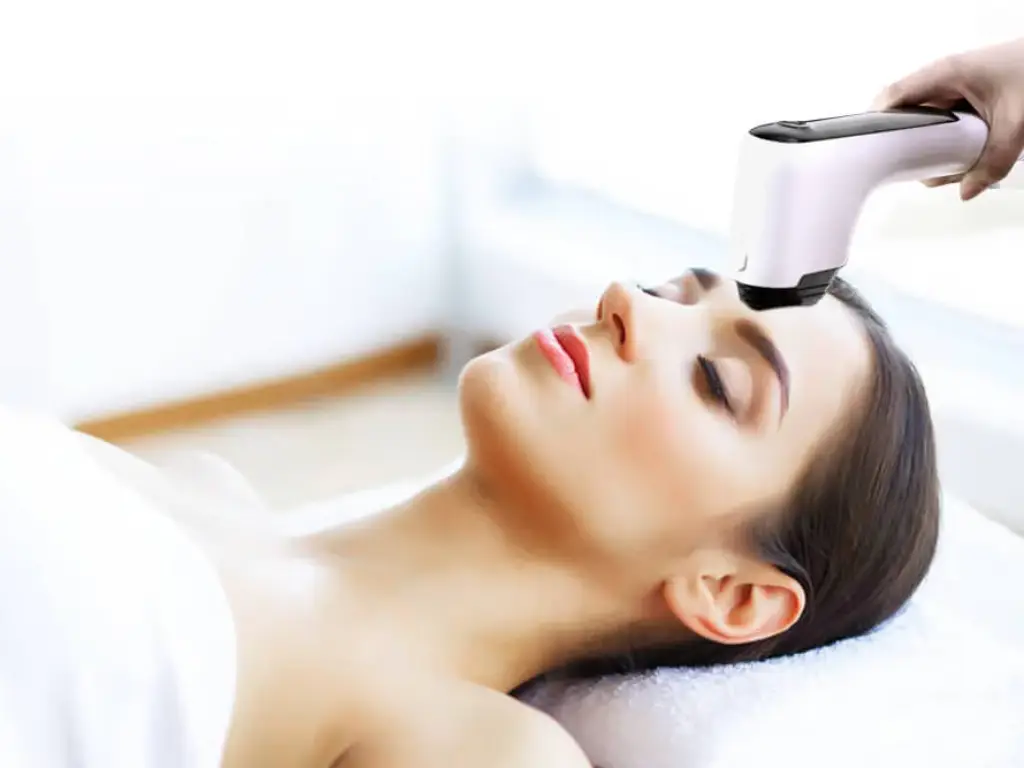
HIFU Last: Typical Duration
When you choose a high-intensity focused ultrasound procedure, you want to know how long the effects will stay visible. Most people see hifu last between 12 and 18 months after a single session. Some users enjoy results for up to two years, especially when they care for their skin and follow healthy habits. The duration of hifu results depends on the area treated and your unique skin characteristics.
You can see the typical hifu last times for different areas in the table below:
| Treatment Area | Duration of Results |
| Facial | 12 to 18 months |
| Body | 9 to 12 months |
Many people notice that hifu skin tightening gives long-lasting results, especially on the face. Some studies show that anti-aging effects on the face can last up to 2-3 years. For body shaping, you may see results last 18 to 24 months. These numbers show that hifu results can offer impressive longevity for both facial and body treatments.
MinXu’s advanced machines help you achieve long-lasting results. The technology in these devices supports deep collagen production, which means your skin stays firmer and smoother for a longer time. You can trust that a non-invasive hifu treatment will give you visible tightening and lifting effects without surgery.
Why Results Vary
You may wonder why hifu last times are not the same for everyone. The answer lies in several personal and external factors. Your age, skin type, lifestyle, and even your daily habits all play a role in how long hifu results will last. Let’s look at the main reasons for this variation.
Age & Skin Type
Your age affects how your skin responds to hifu skin tightening. If you are in your 30s or 40s, your skin usually has better collagen regeneration. This means you will likely see longer-lasting results. Younger skin with good elasticity responds well to hifu treatment and holds the tightening effect for a longer period.
Skin type also matters. If your skin is healthy and has minimal sagging, you will notice better results longevity. Skin with more damage or significant laxity may not hold the tightening as long. The baseline quality of your skin sets the stage for how effective and durable the hifu results will be.
Lifestyle Impact
Your lifestyle choices have a big impact on hifu last and results longevity. Here are some important factors:
Sun exposure: Chronic UV damage breaks down collagen and reduces the duration of hifu results.
Smoking: Smoking speeds up skin aging and makes it harder for your skin to heal, which can shorten the effects of hifu skin tightening.
Skincare routine: A good skincare routine helps maintain the tightening and lifting you get from hifu treatment.
Hydration and health: Drinking enough water and staying healthy support your skin’s ability to keep the long-lasting effects.
Practitioner skill: Choosing a skilled practitioner and following a proper treatment plan ensures you get the best results.
Tip: Protect your skin from the sun and avoid smoking to help your hifu results last longer.
You can see that hifu last depends on more than just the treatment itself. By taking care of your skin and making healthy choices, you can extend the benefits of hifu skin tightening. MinXu’s machines, combined with good habits, give you the best chance for long-lasting results and visible tightening.
When to Expect Results
Immediate Effects
You may notice some changes in your skin right after your hifu session. Many people feel a slight firming effect as soon as the treatment ends. This happens because the ultrasound energy gently heats the deeper layers of your skin. Your face may look a bit tighter or smoother, but these early changes are usually subtle. Most patients begin to see the first signs of improvement within the first week. You might spot a gentle lift in your facial contours and a smoother texture. These early effects show that your skin has started the rejuvenation process.
Note: Immediate effects are just the beginning. The real transformation takes time as your body produces new collagen.
Gradual Improvement
Your skin continues to improve in the weeks after your hifu treatment. The process works slowly as your body builds more collagen. You may see small changes in firmness and texture during the first few weeks. By the end of the first month, early results become more noticeable. About 40% of your final results can appear by the fourth week. You will likely see clearer improvements in your skin’s tightness and smoothness as each week passes.
Here is what you can expect over time:
You may notice an immediate firming effect after your session.
Small changes in skin firmness and texture appear in the first few weeks.
By four weeks, results become more visible and your skin looks refreshed.
Full Results Timeline
The full results of hifu take time to develop. Most people see the biggest changes between two and three months after their treatment. Your skin will look firmer, lifted, and more youthful as collagen continues to rebuild. Peak improvement usually happens around four to six months. At this stage, your results reach their highest point and your skin shows the maximum benefits of the procedure.
The table below shows a typical timeline for hifu results:
| Time Frame | Expected Changes |
| First Month | Initial signs of rejuvenation begin to appear. |
| 2-3 Months | Significant turning points in skin improvement. |
| 3-6 Months | Full-scale results become visible. |
You can enjoy these results for up to 18 months or longer, especially if you care for your skin and follow healthy habits. Hifu gives you a gradual, natural-looking improvement that lasts.
Factors Affecting HIFU Results
Skin Condition
Your skin plays a major role in how well hifu works and how long the results last. If you have firm and well-maintained skin, you will see better tightening and longer-lasting results. Elastic skin with good tone responds quickly to hifu skin tightening. If your skin is severely damaged or lax, the response to treatment may be slower and the results may not last as long. Sun-damaged skin can still benefit from hifu, but you may notice improvements at a slower rate. The table below shows how different skin conditions affect hifu results:
| Skin Condition | Response to HIFU | Longevity of Results |
| Well-maintained and firm | Better response | Longer-lasting results |
| Severely damaged or lax | Poor response | Shorter duration of results |
If you want to reduce fine lines and wrinkles, starting with healthy skin gives you the best chance for visible tightening. You should protect your skin from sun exposure and keep it hydrated to support hifu skin tightening.
Age
Your age affects how your skin responds to hifu and how quickly you see results. Younger skin contains more collagen and has higher elasticity. You will notice faster improvements after treatment. Older skin has less collagen and reduced elasticity, so results appear gradually. The table below explains how age influences hifu results:
| Age Group | Response Time to HIFU Results | Characteristics of Skin |
| Younger Skin | Faster improvements | Higher collagen content and elasticity |
| Older Skin | Gradual improvements | Decreased elasticity and collagen production |
If you are younger, you may see hifu skin tightening effects sooner and enjoy longer-lasting results. If you are older, you can still benefit from hifu, but you may need more time to see the full tightening and reduction in fine lines and wrinkles.
Lifestyle Choices
Your daily habits impact the effectiveness and longevity of hifu results. A balanced diet rich in vitamins helps your skin stay healthy and supports collagen production. Regular physical activity improves blood flow and keeps your skin firm. Avoiding harmful UV rays by applying sunscreen protects your skin and helps maintain tightening. You should also avoid smoking, as it can damage your skin and shorten the duration of hifu results.
Eat foods high in vitamins to support skin health.
Exercise regularly to boost skin firmness.
Use sunscreen to protect against UV rays.
Avoid smoking to keep your skin strong.
Healthy lifestyle choices help you get the most from hifu skin tightening. You will see better results and enjoy smoother skin with fewer fine lines and wrinkles.
Aftercare
Proper aftercare plays a key role in maximizing your hifu results. You can support your skin’s healing and boost the effects of your treatment by following expert guidelines. The right aftercare routine helps your skin recover faster and keeps your results looking their best for longer.
Here is a table with recommended aftercare practices:
| Practice | Recommendation | Timing |
| Nutrition | Avoid food for 1 hr; then 20-30g protein | Immediate Post-Session |
| Dietary Plan | Low-carb, no alcohol/caffeine/fast food | First 72 Hours |
| Hydration | Extensive water intake (flushing toxins) | First 3 Days |
| Compression | Wear compression garment (8-12 hrs/day) | First 3 Days |
| Lymphatic Support | Manual massage & exercise | Daily |
| Adjunct Therapy | Dry brushing, sauna, or pressotherapy | Weekly |
You should also follow these activity guidelines after your hifu session:
During the first 1-2 weeks, choose gentle walks and avoid direct sunlight or strenuous activity.
In weeks 3-4, you can increase your activity to moderate levels, such as light jogging, if you feel comfortable.
After week 5, return to your regular exercise routine, but keep focusing on hydration and a healthy diet.
Sun protection is another important part of aftercare. Try these simple steps:
Use broad-spectrum sunscreen with SPF 30 or higher every day.
Wear hats and sunglasses for extra protection.
Stay indoors during peak sun hours, usually from 10 AM to 4 PM.
Tip: Good aftercare not only helps your skin heal but also extends the benefits of your hifu treatment.
Number of Sessions
The number of hifu sessions you receive can affect how long your results last. Many people see great results after just one session, especially if they have mild to moderate skin laxity. Some may need a second session for enhanced tightening or if their skin needs more support.
Clinical studies show that a single hifu session often provides effective and lasting results. For example, research found that most patients enjoyed long-term benefits after one treatment. A second session may offer extra improvement with only minor effects on skin function.
Here is a summary of clinical findings:
| Study | Findings | Conclusion |
| Misrai et al (2008) | 119 patients, 6.4 years follow-up, 86.4% success | Single hifu session gives long-term results |
| Lovegrove et al (2020) | 821 men, minor effects after 2nd session | Second hifu session is safe if needed |
| Pfeiffer et al (2012) | Single application works well for low-risk patients | One session recommended for many people |
You should talk with your provider to decide how many hifu sessions fit your needs. Most people start with one session and add more only if their skin requires extra tightening. This approach helps you get the best results while keeping your skin healthy.
Maintain HIFU Results
Skincare Tips
You can keep your hifu results looking their best by following a smart skincare routine. After your hifu skin tightening session, your skin needs gentle care and protection. Dermatologists recommend these steps to help you maintain your tightening and enjoy long-lasting results:
Cleanse your skin gently twice a day. Use non-abrasive products to avoid irritation and keep your skin barrier strong.
Apply a moisturizer daily. Hydration restores your skin and helps lock in the benefits of your treatment.
Use topical antioxidants like vitamin C. These ingredients fight free radicals and support your skin’s natural repair process.
Add a retinoid to your nighttime routine if your skin tolerates it. Retinoids boost collagen production and help maintain tightening.
Always wear broad-spectrum sunscreen every morning. Sun protection prevents UV damage and keeps your new collagen safe.
Tip: Consistent sun protection is one of the most important steps for hifu maintenance. UV rays can break down collagen and shorten your results.
Healthy Habits
Your daily habits play a big role in how long your hifu results last. You can support your skin and maximize tightening by making healthy choices every day:
Drink plenty of water before and after your treatment. Hydration helps your skin heal and keeps it elastic.
Eat a balanced diet rich in vitamins and protein. Good nutrition supports collagen production and helps your skin recover.
Exercise regularly. Physical activity improves blood flow, delivers nutrients to your skin, and helps remove toxins.
Get enough sleep each night. Rest allows your body to repair and maintain the results of your hifu skin tightening.
These habits work together to keep your skin firm and your results fresh. When you combine good skincare with healthy living, you give your skin the best chance to hold onto the tightening from your treatment.
Follow-Up Sessions
To keep your results at their peak, you should plan for regular maintenance treatments. Experts suggest scheduling follow-up hifu sessions every 12 to 18 months. These touch-ups reinforce your skin’s collagen and address any new signs of laxity. By sticking to a maintenance schedule, you can enjoy firm, youthful skin for longer and make the most of your hifu maintenance plan.
Note: Regular follow-up sessions help you stay ahead of the natural aging process and keep your tightening results looking their best.
Professional Guidance
You can achieve the best results from your hifu treatment by working closely with a qualified skincare professional. Professional guidance helps you understand your skin’s needs and ensures you get the most out of every session. A skincare expert will evaluate your skin condition, listen to your concerns, and discuss your treatment goals. This personal approach helps you feel confident and informed throughout your hifu journey.
A professional will look at your medical history and lifestyle. They consider your expectations and create a plan that fits your unique situation. You will receive advice on how many hifu sessions you need and how much time should pass between each one. This tailored plan helps you reach your goals safely and effectively.
Tip: Always choose a certified and experienced practitioner for your hifu treatments. This step protects your skin and ensures you receive the highest standard of care.
Here are some ways professional guidance supports your hifu results:
A skincare professional determines the best treatment frequency for your skin.
You receive a customized plan based on your needs and goals.
Regular check-ins help track your progress and adjust your plan if needed.
Your provider can recommend the right aftercare steps to maintain your results.
You get answers to your questions and support throughout your hifu experience.
You should schedule regular assessments with your provider. These check-ins help you see how your skin responds to hifu and allow your professional to make changes to your plan if needed. If you notice any changes in your skin or have new concerns, your provider can address them quickly.
A professional also helps you set realistic expectations. They explain what hifu can do for your skin and how long you can expect the results to last. You will learn about the benefits of maintenance sessions and how to keep your skin looking its best.
Working with a skincare expert gives you peace of mind. You know you are following a plan designed just for you. This guidance helps you enjoy smoother, firmer skin and long-lasting results from your hifu treatments.
Who Benefits Most
Ideal Candidates
You may wonder if you are the right person for hifu. Clinical guidelines show that hifu works best for people who want visible improvement without surgery. You see the best results when your skin shows mild to moderate sagging or early signs of aging. If you are between 30 and 65 years old, you often notice firmer skin and a more youthful look after hifu skin tightening. You should have realistic expectations and aim for natural enhancement rather than perfection.
Here is a table that shows the main characteristics of ideal candidates for hifu:
| Characteristic | Description |
| Age | 30 to 65 years old |
| Mild to Moderate Skin Laxity | Early signs of loose or sagging skin |
| Realistic Expectations | Seeking improvement, not perfection |
| Good Overall Health | No severe health conditions |
| No Major Skin Issues | Wait until skin heals if you have active skin conditions |
| Stable Weight | Close to goal weight and maintaining it |
| Nonsmokers or Light Smokers | Collagen production is better in nonsmokers |
| Willingness to Commit to Maintenance | Ready for follow-up sessions to sustain results |
You get the most from hifu when your skin is healthy and you follow a good maintenance plan. If you fit these traits, you are likely to enjoy long-lasting results.
Who May Not Benefit
Some people may not see the same results from hifu. If you have severe skin laxity or deep wrinkles, you might need other treatments. People with active skin conditions should wait until their skin heals before trying hifu skin tightening. Heavy smokers often have slower collagen production, which can affect results.
Here are groups who may not benefit as much from hifu:
Patients with aggressive or high-grade tumors
Those with advanced cancer not confined to the prostate
People with skin infections or open wounds
Individuals with unrealistic expectations for instant or dramatic results
Note: You should always talk to a professional before starting hifu. They help you decide if hifu is right for your skin and health.
Customizing Treatment
You can personalize hifu treatments to match your skin type and goals. Practitioners adjust energy levels and frequency to suit your needs. If you have thick and resilient skin, higher energy levels help boost firmness and reduce wrinkles. Sensitive skin needs lower energy to avoid irritation. People with darker skin tones benefit from moderate energy and careful frequency to prevent pigment changes.
Here is a table showing how hifu can be customized:
| Skin Type | Personalized Setting | Expected Outcome |
| Thick and Resilient | Higher Energy Levels | Enhanced firmness and wrinkle reduction |
| Sensitive | Lower Energy Levels | Minimized risk of adverse reactions |
| Darker Tones | Moderate Energy, Adjusted Frequency | Prevention of pigment changes |
You get the best results when your provider tailors hifu to your skin. This approach helps you achieve smoother, firmer skin and keeps your results looking natural.
HIFU vs Other Treatments

Image Source: pexels
HIFU vs RF
You may wonder how hifu compares to radiofrequency (RF) treatments for skin tightening. Both options help you achieve firmer, younger-looking skin, but they work in different ways. RF treatments use radio waves to heat the upper layers of your skin. This process stimulates some collagen production and can improve mild laxity. Hifu, or high-intensity focused ultrasound, goes deeper. It targets the foundational layers where your skin produces collagen. This deeper reach means you get stronger lifting and longer-lasting results.
You can see the difference in how long the results last:
| Treatment | Result Duration |
| HIFU | 12-18 months |
| RF | 6-12 months |
Hifu stands out because it reaches the SMAS layer, which is the same layer targeted in surgical facelifts. You get a more noticeable lift and improved contour. RF works well for surface-level changes, but hifu offers a deeper and more dramatic effect. If you want results that last up to two years, hifu gives you a clear advantage.
Tip: Choose hifu if you want a non-surgical option with longer-lasting results and more visible tightening.
HIFU vs Microneedling
Microneedling and hifu both help your skin look better, but they focus on different problems. Microneedling uses tiny needles to create small injuries in the top layers of your skin. This process boosts collagen in the epidermis and papillary dermis. You will notice smoother texture and smaller pores. Hifu, on the other hand, works below the surface. It lifts and tightens by reaching deeper layers.
Here is a quick comparison:
| Treatment | Mechanism of Action | Primary Outcomes |
| Microneedling | Induces collagen in the epidermis and papillary dermis | Improves texture and pore size |
| HIFU | Penetrates deeper layers for lifting and tightening | Suitable for contour refinement |
If you want to refine your facial contours and get a lifting effect, hifu is the better choice. If you want to smooth out rough texture or reduce pore size, microneedling works well. You can even combine both treatments for a complete skin improvement plan.
HIFU vs Laser
Laser treatments and hifu both aim to rejuvenate your skin, but they use different technologies. Lasers use focused light energy to treat the surface and middle layers of your skin. They work well for reducing pigmentation, treating scars, and improving fine lines. Hifu uses ultrasound energy to reach deeper layers without harming the surface. You get lifting and tightening from the inside out.
Lasers often require more downtime because they can cause redness and peeling. Hifu lets you return to your daily routine quickly. If you want to address sagging or need a non-invasive lift, hifu gives you a strong advantage. Lasers are better for surface issues like discoloration or shallow scars.
Note: You should talk to a skincare professional to decide which treatment matches your goals and skin needs.
Pros & Cons
When you consider HIFU for skin tightening, you want to know the benefits and possible drawbacks. Comparing the pros and cons helps you make an informed choice. Here is a simple breakdown to guide you:
Pros of HIFU
Non-invasive: You do not need surgery or needles. HIFU uses focused ultrasound energy, so you avoid scars and long recovery times.
Long-lasting results: You can enjoy firmer skin for 12 to 18 months, sometimes even longer, especially with good aftercare.
Minimal downtime: You return to your daily routine right after treatment. Most people do not need to take time off work or school.
Natural-looking improvement: Your skin lifts and tightens gradually. Friends and family may notice you look refreshed, but results do not look fake or overdone.
Safe for many skin types: HIFU works well for different skin tones and types. You do not risk pigment changes as with some laser treatments.
Versatile treatment areas: You can use HIFU on your face, neck, jawline, and even some body areas.
Cons of HIFU
Results take time: You may not see full results right away. Collagen builds slowly, so you notice the best changes after two to three months.
Not for severe sagging: If you have very loose skin or deep wrinkles, HIFU may not give you dramatic results. You may need other treatments for advanced aging.
Mild discomfort: Some people feel tingling or warmth during the session. These sensations usually go away quickly.
Temporary side effects: You might see slight redness or swelling after treatment. These effects fade within a few hours or days.
Cost: HIFU can cost more than basic skincare or surface treatments. However, you get longer-lasting results.
Quick Comparison Table
| Pros of HIFU | Cons of HIFU |
| Non-invasive | Results take time |
| Long-lasting results | Not for severe sagging |
| Minimal downtime | Mild discomfort possible |
| Natural-looking improvement | Temporary redness or swelling |
| Safe for many skin types | Higher cost than some treatments |
| Versatile treatment areas |
Tip: You should talk to a skincare professional before choosing HIFU. They can help you decide if it matches your goals and skin needs.
Understanding the pros and cons gives you confidence. You can choose the best treatment for your skin and lifestyle.
Safety & Side Effects
Common Side Effects
You may wonder what to expect after a hifu session. Most people experience only mild and temporary side effects. These effects show that your skin is responding to the treatment and beginning the process of renewal. Here are the most common reactions you might notice:
Redness on your skin, which usually fades within a few hours.
Mild swelling that goes away in a day or two.
Tingling or a warm sensation in the treated area.
Temporary numbness that resolves on its own.
Small areas of bruising, especially if you have sensitive skin.
You may also notice blotchy skin or a lingering tingling feeling. These effects usually disappear within a week or two. Some people report mild pain or discomfort, but this does not last long. Most patients return to their normal activities right after hifu, and the results continue to improve as your skin heals.
Note: These side effects are part of your body’s natural healing process and signal that your skin is building new collagen.
Rare Risks
Serious risks from hifu are uncommon, but you should know about them. Rare complications can happen if the procedure is not performed correctly or if the device malfunctions. The table below lists some rare risks and their possible causes:
| Rare Complications | Causes |
| Nerve irritation | Excessive energy, incorrect depth, malfunction |
| Focal burns | Excessive energy, incorrect depth, malfunction |
| Prolonged sensory changes | Excessive energy, incorrect depth, malfunction |
| Fat atrophy | Excessive energy, incorrect depth, malfunction |
Other rare effects include hyperpigmentation (dark spots) with a 1-2% risk, and hypopigmentation (light spots), which is even less common. In very rare cases, you could experience numbness that does not go away, or a slight risk of scarring or burns. These issues usually happen when the hifu device is not used properly.
Minimizing Risks
You can reduce your risk of side effects by choosing a skilled and certified provider. Make sure your practitioner uses a high-quality hifu device and follows safety guidelines. Always share your medical history and any skin concerns before your treatment. Follow all aftercare instructions to help your skin heal and get the best results.
Choose a provider with experience in hifu procedures.
Ask about the device’s certifications and safety features.
Protect your skin from the sun after your session.
Keep your skin clean and moisturized to support healing.
Tip: Good communication with your provider and proper aftercare help you enjoy safe, effective results from your hifu treatment.
Cost & Accessibility
Price Range
You may wonder how much you need to invest in hifu. The price for a single session can vary depending on where you live and the clinic you choose. In the United States, you usually pay between $2,000 and $4,500 for each hifu session. In other regions, such as the UK or Asia, the cost often falls between $1,000 and $4,500 per session. This range makes hifu more affordable than surgical facelifts, which can cost from $7,000 to $15,000.
Here is a quick comparison:
| Procedure | Average Cost per Session |
| HIFU | $1,000 – $4,500 |
| Surgical Facelift | $7,000 – $15,000 |
Note: Hifu gives you visible results without the high price or long recovery time of surgery.
What Affects Cost
Several factors can change the price of your hifu treatment. The area you want to treat plays a big role. Treating your face or neck may cost less than larger body areas. The experience of your provider also matters. Clinics with advanced technology and skilled staff may charge more, but you often get better results and safer care.
Other things that affect the price include:
The number of sessions you need for your skin goals
The type of hifu machine used in your treatment
The location and reputation of the clinic
The size of the area being treated
You should always ask for a detailed quote before starting. This helps you plan and avoid surprises.
Payment Options
Many clinics offer flexible payment options to make hifu more accessible. You can often pay in full or choose a payment plan. Some clinics let you spread the cost over several months. This makes it easier to fit hifu into your budget. A few providers may accept health savings accounts (HSAs) or financing through third-party companies.
Here are some common payment options:
One-time payment at the clinic
Monthly installment plans
Financing through medical credit services
Use of health savings accounts (if eligible)
Tip: Ask your provider about discounts for multiple sessions or package deals. This can help you save money while keeping your skin looking its best.
You can enjoy firmer, younger-looking skin with hifu, even if you have a budget. With the right plan, you get long-lasting results and a boost in confidence.
You can expect hifu results to last 12 to 18 months, with some people seeing benefits for up to two years. Your age, skin type, and daily habits all play a role in how long hifu effects remain. Advanced machines like MinXu help you get the most from your hifu treatment. Always talk to a professional before starting hifu. For the best results, protect your skin, follow aftercare, and schedule regular hifu sessions.
FAQ
How soon can you return to daily activities after HIFU?
You can return to your normal routine right after your HIFU session. Most people experience little to no downtime. You may see mild redness or swelling, but these effects fade quickly.
Does HIFU hurt?
You may feel warmth or tingling during your session. Most people describe the sensation as mild and tolerable. If you feel discomfort, your provider can adjust the settings for your comfort.
How many HIFU sessions do you need?
Most people see results after one session. If you want extra tightening, you can schedule a follow-up session after 12 to 18 months. Your provider will help you decide what fits your needs.
Can you combine HIFU with other treatments?
Yes, you can combine HIFU with treatments like microneedling or laser therapy. This approach can target different skin concerns. Always ask your provider for a personalized plan.
Is HIFU safe for all skin types?
HIFU works well for many skin types and tones. The technology targets deeper layers without harming the surface. You should always consult a certified provider to ensure safety.
What should you avoid after HIFU?
Avoid direct sun exposure, hot showers, and harsh skincare products for a few days. Use gentle cleansers and sunscreen to protect your skin.
How long does a HIFU session take?
A typical HIFU session lasts 30 to 90 minutes, depending on the area treated. You can fit the appointment into your day with ease.
Who should not get HIFU?
You should avoid HIFU if you have active skin infections, open wounds, or severe health conditions. Always discuss your medical history with your provider before treatment.
Discover more from Minxu
Subscribe to get the latest posts sent to your email.