

You’ve accomplished something remarkable. Losing significant weight takes dedication, discipline, and courage. Yet, that achievement often brings an unexpected frustration: loose, sagging skin. You’re not alone. Research shows that 84 to 96 percent of people experience excess skin after significant weight loss. This reality can dampen your celebration.
The good news? Natural solutions can help you tighten loose skin after weight loss. These approaches require consistency, patience, and a combination of strategies. No single remedy works alone. This article explores why skin loses elasticity, effective topical treatments, essential lifestyle adjustments, and realistic timelines for visible results. Your journey toward firmer skin is achievable. Focus on improving skin health, not chasing perfection. With the right options and steady effort, you can see meaningful improvements. Let’s begin this journey together.
Key Takeaways
Combine strength training, hydrating oils, and good nutrition for the best skin tightening results.
Build muscle with exercises like squats and planks to fill loose skin and improve firmness.
Use retinol and hyaluronic acid in your skincare to boost collagen and keep skin hydrated.
Be patient — skin tightening takes time, often 6 to 18 months of consistent care.
Why Loose Skin Happens
When you lose weight rapidly, your skin struggles to keep pace. The outer layer stretches during weight gain, and quick loss leaves it without enough time to shrink back. This mismatch creates the sagging you see on your abdomen, arms, or thighs.
The Role of Collagen and Elastin
Collagen and elastin form the structural framework of your skin. Collagen provides firmness and support, while elastin allows skin to stretch and return to its original shape. Together, these proteins determine your skin’s ability to recover after weight loss.
Your body produces collagen through specialized cells called fibroblasts. Research shows these cells become less productive with age. Fibroblasts from young adults aged 18 to 29 synthesize about 82 nanograms of type I procollagen per 50,000 cells. In contrast, cells from individuals over 80 produce only 56 nanograms under identical conditions. Overall collagen production in sun-protected skin drops by roughly 75 percent between young adulthood and old age. The number of fibroblasts also declines by about 35 percent in older skin.
Weight loss adds another layer of stress. When fat disappears, your skin loses structural support beneath the surface. This reduction in mechanical tension signals fibroblasts to slow down further. The combination of age-related decline and weight-loss-related changes means your skin cannot generate enough new collagen to tighten effectively.
Factors That Affect Skin Elasticity

Several factors determine how severely loose skin affects you after weight loss. Age stands as the most significant predictor. Younger skin contains more active fibroblasts and higher collagen reserves, giving it a better chance to bounce back.
Genetics also plays a substantial role in your skin’s baseline quality.
Genetics plays a big role in determining an individual’s baseline skin elasticity. Some people are genetically predisposed to have skin that is naturally more elastic, while others may inherit less resilient skin.
Specific gene variants, such as those in the MMP1 gene, influence how quickly your body breaks down collagen. This genetic predisposition affects your skin’s ability to recover after weight loss.
Sun exposure compounds these challenges. Ultraviolet radiation breaks down collagen fibers over time, depleting your skin’s elasticity reserves. Sun-damaged skin also becomes drier, and a drier epidermis tends to fold and sag more easily. Smoking produces similar damage to skin proteins.
The total amount of weight you lost matters too. Losing a larger amount of weight creates more skin laxity than losing a smaller amount. Your skin health before weight loss, your hydration levels, and your nutritional status all influence final results. Understanding these factors helps you set realistic expectations and choose strategies that support your skin’s natural recovery process. Consistent care and patience produce the best results over time.
Natural Topical Remedies to Firm Skin
When you explore ways to tighten loose skin, topical remedies offer a valuable starting point. Natural oils hydrate your skin, while active ingredients stimulate collagen production. These products work from the outside to support your skin’s recovery after weight loss. Consistent application gives your skin the nutrients it needs to rebuild its structure and improve your overall skin health.
Hydrating Oils and Moisturizers

Certain plant oils demonstrate remarkable effects on skin elasticity. Clinical research backs their ability to improve firmness and reduce sagging. The table below summarizes key findings from human studies.
| Oil | Study Type | Duration | Key Elasticity Outcome |
| Argan Oil | Human clinical trial (postmenopausal women) | 60 days | Significant improvement in all measured skin elasticity parameters vs. control |
| Avocado Oil (with saffron extract) | Human clinical study (20 volunteers) | 12 weeks | Significant improvement in skin elasticity and reduction in nasolabial fold depth/volume |
| Helichrysum italicum extract | Human clinical study (117 participants) | Nightly application | Enhanced skin elasticity, reduced wrinkle depth, decreased photodamage |
Rosehip seed oil also delivers strong results. A 12-week study showed consistent use improved skin elasticity and moisture retention. Its effectiveness comes from trans-retinoic acid, which stimulates collagen synthesis, and high linoleic acid content. Cacay oil offers another powerful option. Clinical studies found it reduced fine lines and improved firmness in as little as four weeks. It contains three times more retinol than rosehip oil, accelerating cell turnover and supporting collagen production.
Black currant oil provides a rare plant source of gamma-linolenic acid (GLA). Studies show GLA supplementation improves skin moisture, elasticity, and barrier function. It works with other antioxidants to protect against environmental damage. Keeping your skin hydrated maintains its flexibility and helps improve skin elasticity over time.
Collagen-Boosting Ingredients
Retinol ranks as one of the most researched ingredients for collagen production. A clinical study by Varani and colleagues (2000) demonstrated that topical application of 1% retinol for 7 days in individuals aged 80 and older led to a significant reduction in matrix metalloproteinase expression and a concomitant increase in collagen synthesis and fibroblast growth. This means retinol actively rebuilds your skin’s structural support.
Hyaluronic acid complements retinol by holding moisture in the skin. Well-hydrated skin appears plumper and firmer. Vitamin C serves as another essential ingredient. It protects collagen from damage and supports the synthesis process. These ingredients work best when you combine them with lifestyle changes. No cream alone can fix severe skin sagging. Pairing topical remedies with strength training, proper nutrition, and non-surgical skin tightening technologies gives you the best chance to see meaningful results after weight loss. Consistency matters most. Apply these products daily and give your skin time to respond.
Lifestyle Changes to Tighten Loose Skin

Topical remedies support your skin from the outside, but true transformation happens from within. Lifestyle changes create the foundation for lasting improvement. Strength training builds the muscle that fills loose skin. Nutrition and hydration supply the raw materials your body needs to repair and rebuild. These changes work together to give you the best chance at firm, healthy skin.
Strength Training to Build Muscle
Building muscle underneath your skin creates a more lifted, firm appearance. This effect is especially visible in areas like your face, neck, and arms. The added muscle gives the illusion of tighter skin while actively improving your body composition.
Strength training increases muscle mass through a process called hypertrophy. When you lift weights, you create mechanical stress on your muscles. This stress causes microscopic damage to muscle fibers. Your body repairs these fibers by thickening them, which increases muscle volume. This added mass fills the space beneath your skin that was previously occupied by fat. The result is a noticeable reduction in sagging.
Research confirms the effectiveness of this approach. A study examined the impact of a resistance training program on skin parameters. The results were striking.
| Skin Parameter | Before Training | After Training | p-value |
| Skin elasticity (Ur/Uf) | 0.32 ± 0.01 | 0.38 ± 0.01 | < 0.001 |
| Upper dermal low echogenic pixels (LEP, %) | 26.3 ± 2.3 | 15.3 ± 2.3 | < 0.001 |
The improvement in this measure indicates firmer, more resilient skin. The reduction in low echogenic pixels shows a better-structured dermal layer. These changes are the primary mechanisms behind skin tightening.
One of the most effective ways to improve the appearance of loose skin is to fill the space with muscle. Resistance training helps build lean muscle mass, which creates a firmer, more toned look.
Focus on compound exercises like squats, deadlifts, and rows. These movements target multiple muscle groups at once. They build the most muscle in the shortest time. For your tummy area, core exercises like planks and Russian twists help fill loose skin around your midsection. Aim for at least three strength training sessions per week.
Nutrition and Hydration for Skin Health
Your diet directly affects your skin’s ability to produce collagen and elastin. Protein is the most critical nutrient for this process. Adults need adequate protein for skin health. For optimizing skin tightening after weight loss, a higher protein intake is recommended.
Lean meats, eggs, and fish provide high-quality protein for collagen synthesis
Vitamin C from citrus fruits and bell peppers activates collagen production
Omega-3 fatty acids from salmon and walnuts reduce inflammation and support skin health
Vitamin C plays a unique role in skin tightening. It acts as a cofactor for enzymes that stabilize collagen molecules. Without enough vitamin C, collagen fibers cannot form properly. This deficiency leads to weaker, more fragile skin. Include vitamin C-rich foods in every meal for best results.
Hydration affects your skin’s appearance more than most people realize. Water maintains skin flexibility by keeping cells plump and hydrated. Dehydrated skin loses its bounce and becomes more prone to skin sagging. Drink water consistently throughout the day. Aim for adequate hydration throughout the day. Herbal teas and water-rich fruits like watermelon also contribute to your hydration goals.
The table below summarizes the lifestyle changes that support skin tightening.
| Lifestyle Category | Specific Actions | Mechanism Supporting Skin Tightening |
| Hydration | Drink ample water daily | Maintains skin hydration and elasticity |
| Diet | Consume vitamins A, C, E, healthy fats, protein, gelatin | Provides nutrients for collagen and elastin synthesis |
| Exercise | Strength training, core workouts, cardio | Builds muscle mass to fill out loose skin, improving tone |
| Skincare | Firming creams, natural oils, massage, exfoliation | Stimulates collagen production and improves blood flow |
| Sun protection | Use sunscreen | Prevents UV breakdown of collagen and elastin fibers |
| Weight stability | Avoid rapid weight fluctuations | Prevents further damage to skin elasticity |
These options create a comprehensive approach to skin tightening. Consistency with these habits produces the best results over time. Your skin responds to steady, daily care rather than occasional effort. Maintain a stable weight after weight loss to allow your skin to tighten naturally. Rapid weight fluctuations undo progress and damage your skin’s ability to recover. Combine these lifestyle changes with topical remedies and non-surgical technologies for the most effective strategy.
Non-Surgical Skin Tightening Technologies
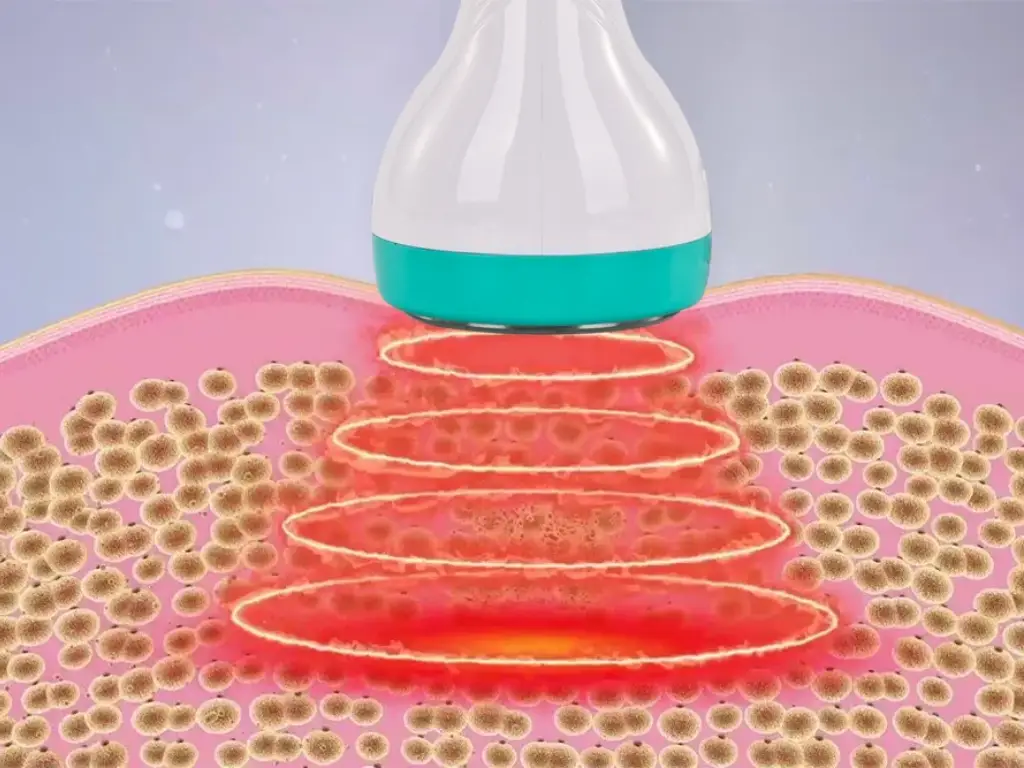
Topical creams and lifestyle changes build a strong foundation, but sometimes you need additional support. Non-surgical skin tightening technologies offer a professional-grade solution that stimulates collagen and elastin without surgery. These treatments use energy-based devices to heat deeper layers of your skin. This heat triggers your body’s natural healing response, which produces fresh collagen fibers. The result is firmer, more lifted skin over time.
Clinical outcomes show that many patients experience noticeable improvement in skin laxity after non-surgical skin tightening. This represents a meaningful enhancement, though experts note it is not equivalent to surgical-level transformation.
Radiofrequency and Ultrasound Therapy
Radiofrequency (RF) and ultrasound represent the two most effective technologies for tightening loose skin. Each works differently, and understanding these differences helps you choose the right approach.
Cavitation: primarily targets fat reduction, minimal effect on skin tightening, not effective for loose skin.
Radiofrequency: stimulates collagen production, directly improves skin firmness and tightness, effective for loose skin.
HIFU (high-intensity focused ultrasound): stimulates significant collagen production, provides powerful skin tightening effect; ideal for loose skin alongside fat reduction.
Ultrasound cavitation: uses mechanical vibration to break down fat cells, has minimal skin tightening effect; not effective for loose skin.
For loose skin, radiofrequency is significantly more effective than cavitation. RF targets the upper dermis, making it well-suited for fine lines, wrinkles, and cellulite. Ultrasound penetrates deeper into the dermis and SMAS layer, providing profound lifting and tightening for sagging or loose skin. For deep loose skin requiring lifting, ultrasound is more appropriate than radiofrequency.
At-Home Devices for Body Contouring
Professional treatments deliver excellent outcomes, but they come with significant costs and multiple clinic visits. At-home devices now offer a practical alternative. A randomized, controlled, split-face clinical trial involving 33 women aged 35–60 evaluated a home-based radiofrequency beauty device over 12 weeks. The RF device side showed statistically significant improvements in wrinkles, skin radiance, color, and skin thickness compared to a commercial anti-aging cosmetic. This study provides direct scientific evidence that at-home RF devices can deliver measurable skin tightening and anti-aging benefits.
Professional devices combine radiofrequency, ultrasonic cavitation, and other technologies to stimulate collagen and elastin production, target stubborn fat cells, and reshape the body without surgery or downtime. Many devices carry relevant certifications ensuring safety and quality. Using an RF machine to heat the dermis triggers new collagen growth. Applying cavitation breaks down stubborn fat cells that did not budge with weight loss alone.
These skin tightening treatments work best when you combine them with a healthy diet and exercise routine. Consistency remains the critical factor. Many users see improved skin texture, lifted contours, and reduced cellulite over time. For your tummy area, regular use of these devices can produce visible improvements in firmness. These options provide long-lasting results without the risks of surgical skin tightening. Remember that tightening loose skin is a gradual process. With the right technology and patience, you can achieve the smooth, youthful look you deserve after weight loss. Non-surgical skin tightening offers a safe, effective path forward. Your skin elasticity improves steadily with each session. The key is showing up consistently and trusting the process.
The Role of Gradual Weight Loss and Patience
Why Slow and Steady Wins the Race
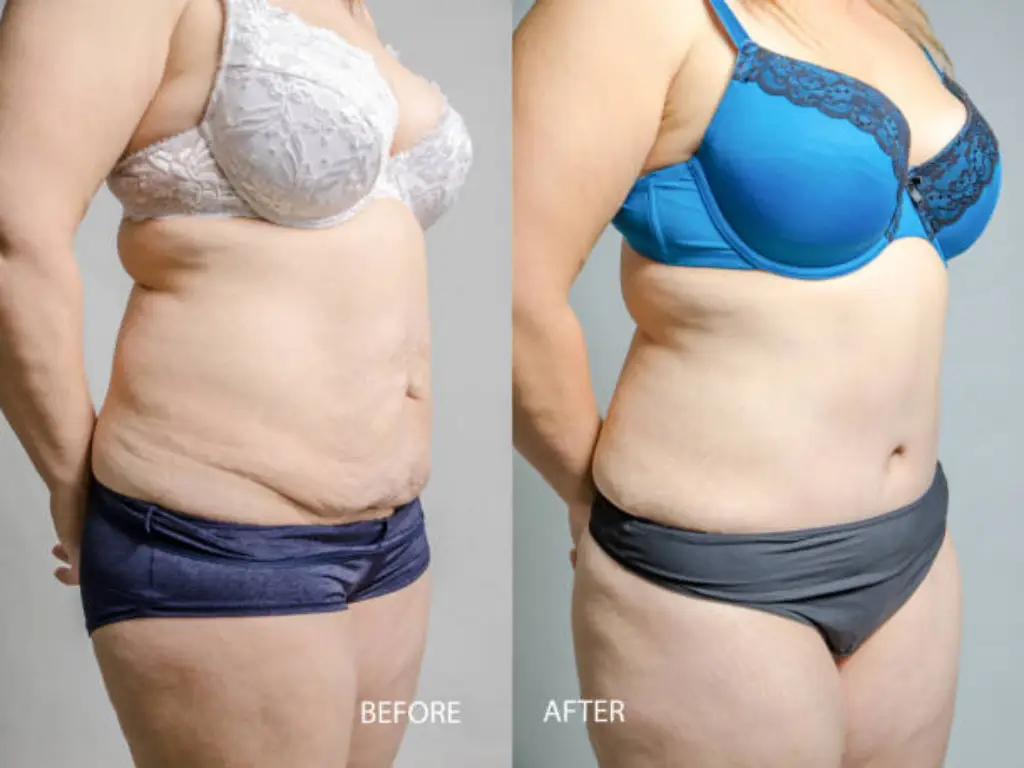
Rapid weight loss creates a problem for your skin. When fat disappears quickly, your skin cannot shrink at the same pace. This mismatch leads to sagging tissue that struggles to recover. Losing weight gradually gives your skin the time it needs to adapt. The collagen and elastin fibers have a chance to remodel slowly. This process reduces the severity of loose skin after weight loss.
Your body requires time to rebuild its structural support. Fibroblasts must generate new collagen fibers to fill the space left by lost fat. This biological process moves at its own pace. You cannot rush it. Experts recommend giving your skin time after you reach a stable weight before drawing conclusions about your final results. This is because collagen remodeling is slow but ongoing. Your skin keeps improving during this entire period. The slow approach protects your skin’s ability to bounce back. Rapid methods damage this natural recovery process. Patience protects your results.
Setting Realistic Expectations for Results
Natural skin tightening follows a gradual timeline. Understanding this timeline helps you stay motivated. Significant improvement occurs over time as collagen remodeling continues. Your body continues producing new fibers during this period. The full effect of any treatment appears after several months. Results can last for a considerable duration.
Realistic expectations matter here. Natural methods can tighten mild to moderate skin laxity. They cannot remove folds of excess tissue. Focus on consistency rather than perfection. Your skin responds to steady daily care. Celebrate your weight loss achievement. The journey toward firmer skin takes time, but every step forward counts.
You now have a complete toolkit to tighten loose skin after weight loss. Combine hydrating oils, collagen-boosting ingredients, strength training, and proper nutrition for the best outcome. Add non-surgical skin tightening technologies like RF devices to accelerate your progress. These options work together naturally, without the risks of surgical skin tightening.
Remember that results take time. Your skin needs months to rebuild collagen and adapt to your new shape. Sagging improves gradually, not overnight. Consistency matters more than perfection. Stay patient with your body.
Celebrate your weight loss achievement. Focus on overall health and well-being, not just appearance. Self-care and self-acceptance matter as much as physical changes. You deserve to feel confident in your new body.
FAQ
How Long Until I See Noticeable Results?
Most people notice improved skin texture with consistent care over time. Visible toning appears after several months for moderate weight loss. The most significant results develop over time as collagen remodeling continues. Patience matters more than intensity.
Can Natural Methods Fix Severe Loose Skin?
Natural approaches work best for mild to moderate skin laxity. They cannot remove large folds of excess tissue. If you lost a significant amount of weight, you may need additional support. Combine topical remedies, strength training, and non-surgical technologies for the best outcome.
Do I Need to Combine All These Approaches?
Yes. No single method works alone. Topical creams hydrate and stimulate collagen. Strength training builds muscle to fill loose skin. Nutrition supplies essential building blocks. Non-surgical devices accelerate collagen production. Together, these strategies create a comprehensive plan that delivers the best possible outcome.
When Should I Consider Professional Treatments?
If you maintain a stable weight for an extended period and still experience significant sagging, professional options may help. Non-surgical technologies like radiofrequency and ultrasound offer effective alternatives. Surgical skin tightening remains the last resort for extreme cases. Consult a dermatologist to determine the right path for your situation.
Discover more from Minxu
Subscribe to get the latest posts sent to your email.