
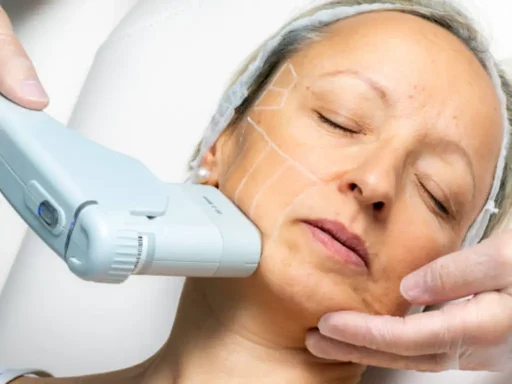
If you want transformative results from a non-invasive tightening treatment, you may wonder which is better: ultherapy vs rf microneedling. Ultherapy uses focused ultrasound energy to lift and tighten deeper layers, making it ideal for those with mild to moderate sagging. RF microneedling combines needles and radiofrequency to improve texture and firmness, perfect for surface skin rejuvenation and non-surgical skin rejuvenation. Both options have become popular nonsurgical skin tightening solutions for people not ready for surgery. Your best choice depends on your skin concerns and goals. MinXu offers advanced devices for every skin tightening treatment.
Key Takeaways
Ultherapy uses ultrasound energy to lift and tighten deeper skin layers, ideal for sagging skin.
RF microneedling combines needles and radiofrequency to improve skin texture and firmness.
Ultherapy results appear gradually over 2-3 months and can last up to 18 months.
RF microneedling shows initial results within weeks, with full effects visible after several sessions.
Choose ultherapy for deep lifting and tightening; opt for RF microneedling for surface rejuvenation.
Combining both treatments can address both deep and surface skin concerns effectively.
Consult a trained provider to determine the best treatment based on your skin type and goals.
Both treatments are non-invasive with minimal downtime, making them convenient options for skin rejuvenation.
Ultherapy vs RF Microneedling: Key Differences
Which Is Better for Skin Tightening?
You may wonder which treatment gives the best results for non-invasive skin tightening. The answer depends on your goals and your skin’s needs. Ultherapy works best if you want to lift and tighten sagging skin, especially around your jawline, neck, or brow. This treatment uses focused ultrasound energy to reach deep layers of your skin. You will see gradual lifting as your body builds new collagen over two to three months. The effects can last for years, depending on your age and skin condition.
RF microneedling is a great choice if you want to improve your skin’s texture, smooth fine lines, or treat acne scars. This method uses tiny needles and radiofrequency energy to remodel the surface and middle layers of your skin. You will notice results within a few weeks, and your skin will keep improving for several months. Most people need three to four sessions for the best outcome.
Some people get the best results by combining ultherapy and rf microneedling. This approach lifts deeper tissues and also improves the surface of your skin. You can talk to your provider about whether this combination is right for you.
Main Differences Explained
You can see the main differences between ultherapy and rf microneedling in the table below:
| Aspect | Ultherapy | RF Microneedling |
| Technology Used | Micro-focused ultrasound energy | Radiofrequency energy via microneedles |
| Treatment Depth | Up to 4.5mm, targets deep structural layers | 0.5-3.5mm, focuses on dermal remodeling |
| Primary Outcome | Lifting and tightening of sagging skin | Improved texture, firmness, and scar revision |
| Pain and Comfort Levels | More discomfort, intense heat sensations | Better tolerated with topical anesthesia |
| Downtime and Recovery | Mild swelling, no visible changes, 1-2 days | 1-3 days of redness and minor swelling |
| Number of Sessions | Usually one annual treatment | 3-4 treatments, spaced 4-6 weeks apart |
| Results Timeline | Gradual, over 2-3 months | Initial results in weeks, full in 3-6 months |
| Ideal Candidates | 40s-60s, moderate skin laxity | 30s-60s, texture and firmness concerns |
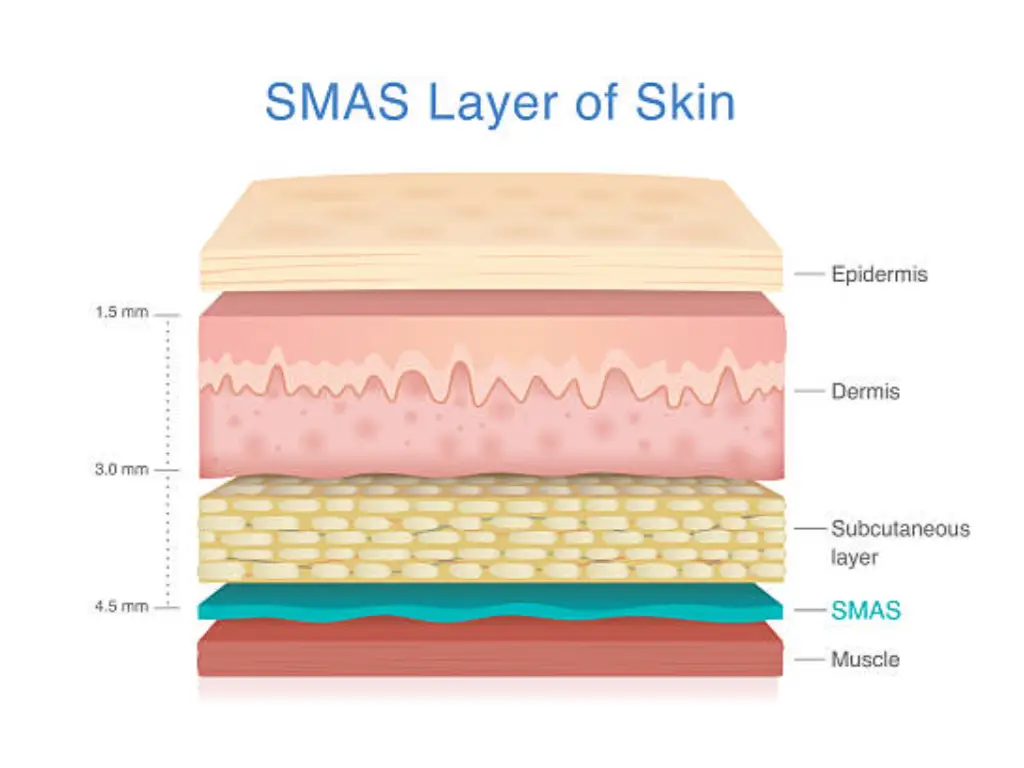
Ultherapy targets the deep SMAS layer, which supports your skin’s structure. This makes it more effective for lifting and tightening. RF microneedling focuses on the surface and middle layers, which helps with texture, scars, and fine lines. You will find that ultherapy is better for deep tissue lifting, while rf microneedling excels at improving the look and feel of your skin.
Who Should Choose Each Treatment?
You should choose ultherapy if you want to:
Lift sagging skin on your jawline, chin, neck, or brow
Tighten your décolletage
Avoid needles and want minimal downtime
You should choose rf microneedling if you want to:
Improve your skin’s texture and tone
Smooth out fine lines, wrinkles, or acne scars
Firm and tighten your face or neck with a gentle approach
If you have both sagging and surface issues, combining ultherapy and rf microneedling may give you the best results. This combination addresses both deep lifting and surface rejuvenation. Many providers recommend this for people who want a full-face refresh.
Tip: Always talk to a trained provider before starting any treatment. They can help you decide which option fits your skin type, age, and goals.
Ultherapy and RF Microneedling Overview
Ultherapy Overview
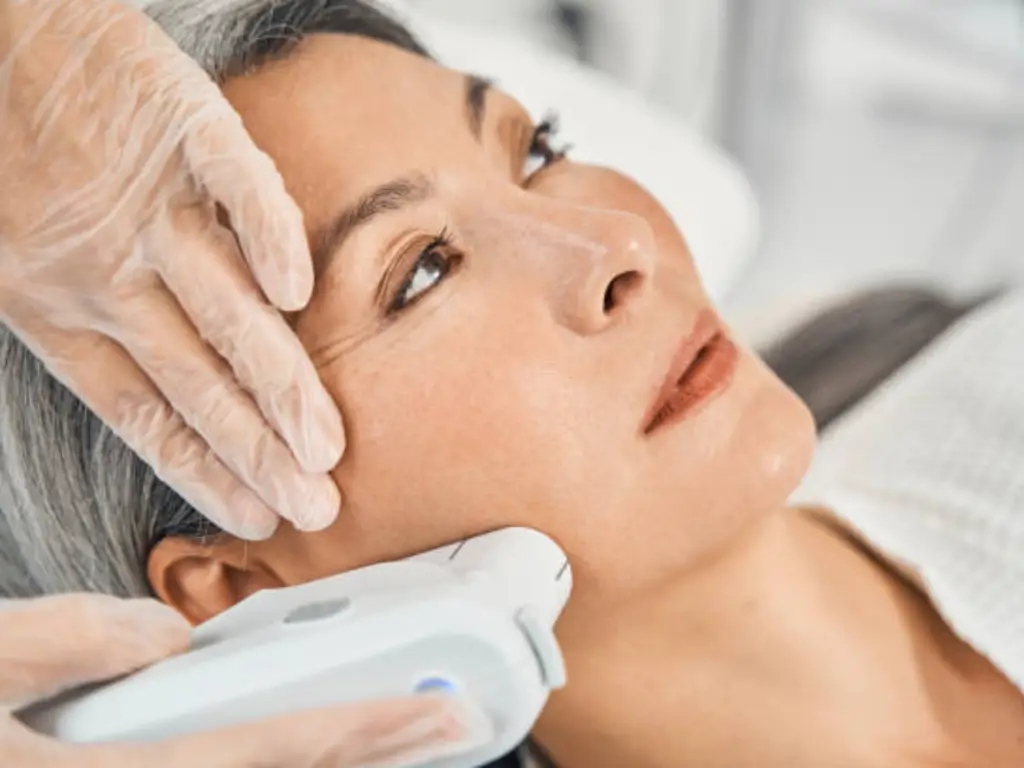
You may want to know what makes ultherapy stand out as a non-invasive option. This treatment uses micro-focused ultrasound energy to reach deep layers of your skin. It targets the SMAS layer, which supports your facial structure. Ultherapy has FDA approval for several uses. You can see the main indications and outcomes in the table below:
| Indication | Clinical Outcome |
| Periorbital improvement | Reduction in crow’s feet and under-eye skin laxity |
| Mid-face lifting | Significant improvements in cheek and mid-face sagging |
| Nasolabial fold softening | Diminished appearance of smile lines and marionette lines |
| Jawline definition | Enhanced jaw contour with reduced jowling |
| Neck tightening | 72.9% of neck-treated patients achieved visible tissue lift ≥20.0 mm² in the submental area |
| Patient Satisfaction | About 95% of people saw their skin get tighter and firmer within a year |
| 3-month satisfaction | Over 75% of patients express satisfaction with results |
| 6-month satisfaction | Satisfaction rates increase to over 80% |
| Treatment tolerance | High comfort levels compared to other energy-based treatments |
| Average duration of results | 12-18 months for most patients, with individual variation |
| Factors affecting longevity | Age, lifestyle factors, treatment intensity, maintenance treatments, skincare regimen |
You can expect gradual lifting and tightening after your session. Most people notice firmer skin within three months. Results often last up to 18 months.
RF Microneedling Overview
RF microneedling combines two powerful technologies. You get the benefits of microneedling and radiofrequency energy in one session. This approach works well for many skin concerns. You can use it for aging facial lines, acne scars, cellulite, stretch marks, rosacea, hair loss, and even excessive sweating. Devices like Morpheus8 and Genius RF use fractional microneedling with bipolar radiofrequency energy. These devices are FDA cleared for dermal remodeling and tissue coagulation.
MinXu’s rf microneedling devices use advanced technology. You will find models for both home and professional use. The design focuses on user comfort, with intuitive controls and ergonomic handles. Clinical studies show these machines also help with fat reduction and body contouring. High-quality materials make them durable and long-lasting.
Tip: If you want to improve your skin’s texture and firmness, rf microneedling offers a versatile solution.
How Each Treatment Works
Ultherapy and rf microneedling both boost collagen, but they work in different ways. Ultherapy uses ultrasound energy to heat deep layers of your skin. This process creates thermal coagulation points at a depth of up to 4.5mm. Your body responds by making new collagen, which lifts and tightens your skin over time.
Rf microneedling uses tiny needles to create micro-injuries in the surface and middle layers of your skin. The device sends radiofrequency energy through these needles. This dual action causes both physical and thermal stimulation. Your skin repairs itself by producing more collagen and elastin. You will see smoother texture and improved elasticity.
You can choose ultherapy for deep lifting and tightening. Rf microneedling works best for surface rejuvenation and improving texture. Both treatments offer effective ways to refresh your appearance without surgery.
Mechanism and Technology
Ultherapy: Ultrasound and SMAS Layer
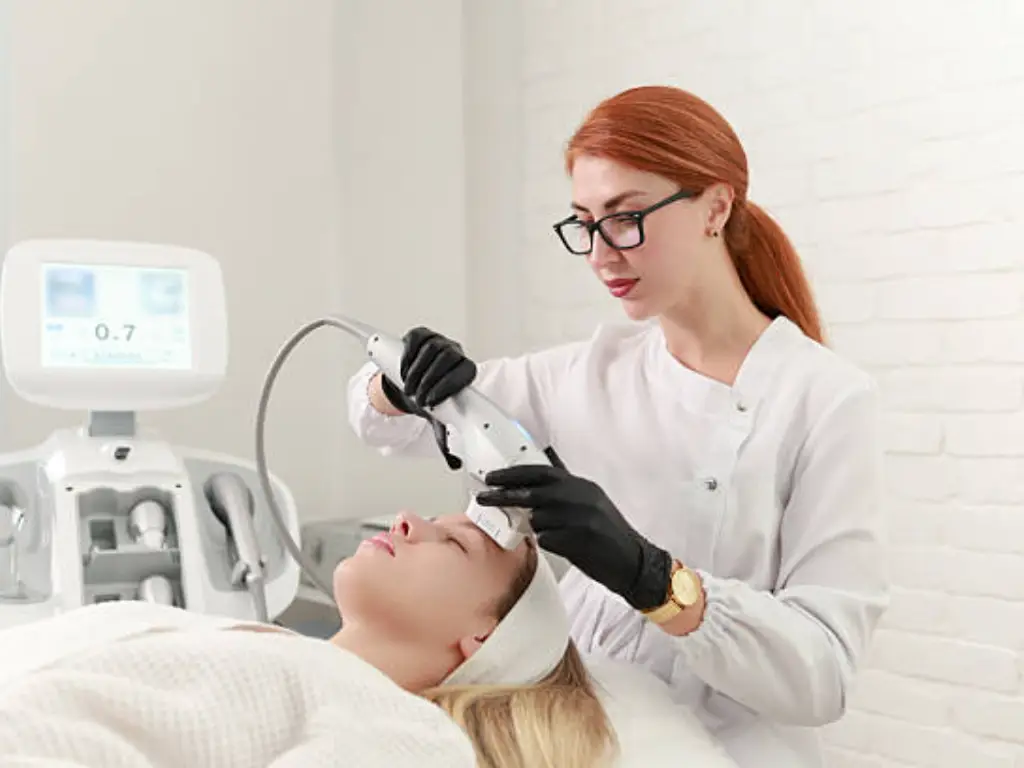
Ultherapy uses micro-focused ultrasound technology to target the Superficial Muscular Aponeurotic System (SMAS) layer. You experience a treatment that delivers energy at precise depths, reaching the structural foundation of your skin. This process creates thermal coagulation zones, which trigger your body’s natural healing response. As a result, you see gradual lifting and tightening.
You can review the scientific support for Ultherapy in the table below:
| Evidence Type | Details |
| Precision Depth Targeting | Delivers energy at depths of 1.5mm, 3.0mm, and 4.5mm, effectively reaching the SMAS layer. |
| Thermal Coagulation Zones | Creates heat points at 65-70°C, leading to tissue contraction and collagen stimulation. |
| Histological Evidence | Studies show a 42% increase in new collagen production at 4-12 weeks post-treatment. |
| Clinical Trial Results | 86% of subjects showed significant brow-lift after 90 days, indicating effective SMAS targeting. |
| Patient Satisfaction | 63.6% of patients reported visible improvement in skin laxity, supporting Ultherapy’s efficacy. |
Collagen Stimulation Process
Ultherapy stimulates collagen and elastin production by heating the SMAS layer. You benefit from thermal coagulation points that activate fibroblasts. These cells produce new collagen, which strengthens and lifts your skin. Over time, you notice firmer and tighter skin. The process also supports elastin, which improves flexibility and resilience. You see results that last up to 18 months.
RF Microneedling: Radiofrequency and Microneedles
RF Microneedling combines microneedles with radiofrequency energy. You receive treatment that penetrates the dermis, creating controlled micro-injuries. The device delivers radiofrequency energy through the needles, heating the deeper layers without harming the surface. This dual action boosts collagen and elastin production, improving texture and firmness.
You can see the clinical impact of RF Microneedling in the list below:
RF microneedling enhances dermal wound healing through thermal injury, leading to collagen production and skin tightening.
It initiates re-epithelialization and promotes angiogenesis and granulation tissue formation shortly after treatment.
Compared to traditional microneedling, RF microneedling minimizes epidermal injury, reducing risks of erythema and pigmentation changes.
Collagen and Elastin Remodeling
RF Microneedling triggers collagen and elastin production by stimulating the dermal layer. You notice smoother skin and improved elasticity. The radiofrequency energy remodels collagen fibers, making your skin firmer and more youthful. This process also helps reduce scars and fine lines. You achieve visible improvements in texture and tone after several sessions.
Note: Both Ultherapy and RF Microneedling use advanced technology to boost collagen and elastin production. You can choose the method that fits your skin goals and comfort level.
Benefits and Results

Ultherapy Benefits
Lifting and Tightening Effects
Ultherapy gives you a powerful option for lifting and tightening your skin. You can target areas like your jawline, neck, brow, and cheeks. The technology uses micro-focused ultrasound to reach deep layers, which supports your skin’s structure. You see improvements in sagging and definition. The following table shows the documented improvements from clinical trials:
| Benefit Category | Documented Improvements |
| Periorbital Improvement | Reduction in crow’s feet and under-eye skin laxity |
| Mid-Face Lifting | Significant improvements in cheek and mid-face sagging |
| Nasolabial Fold Softening | Diminished appearance of smile lines and marionette lines |
| Jawline Definition | Enhanced jaw contour with reduced jowling |
| Neck Tightening | 72.9% of neck-treated patients achieved visible tissue lift ≥20.0 mm² in the submental area |
| Skin Quality Enhancement | Increased elasticity, improved texture, tissue densification, pore size reduction, enhanced thickness |
| Patient Satisfaction Metrics | 95% of patients saw tighter skin; 75% satisfaction at 3 months, 80% at 6 months |
You experience lifting and tightening that improves your facial contours. Ultherapy also enhances skin quality, making your skin look firmer and smoother.
Longevity of Results
Ultherapy delivers long-lasting results. You notice gradual lifting over two to three months as your body produces new collagen. Most people enjoy visible improvements for up to 18 months. You benefit from a single treatment that continues to work beneath the surface. The effects last longer than many other non-invasive options, making ultherapy a top choice for skin tightening and rejuvenation.
RF Microneedling Benefits
Texture and Elasticity Improvement
RF microneedling stands out for its ability to improve skin texture and elasticity. You see immediate textural improvements after your sessions. The combination of microneedling and radiofrequency energy boosts collagen production, which strengthens your skin. You notice firmer, smoother skin and reduced fine lines. The treatment works well for most skin types and areas. It is minimally invasive, so you experience limited downtime.
Enhances collagen production
Utilizes radiofrequency energy for deeper impact
Suitable for most skin types and areas
Minimally invasive with limited downtime
Effective for multiple skin concerns
Surface Rejuvenation
RF microneedling provides surface rejuvenation by remodeling scar tissue and reducing sun damage. You see improvements in tone, firmness, and texture. The treatment stimulates lipids and proteins, which help your skin retain moisture and look more luminous. Microchannels created during microneedling allow deeper absorption of topical products, supporting collagen and elastin production. You also notice smaller pores and smoother skin. The rejuvenation process addresses pigmentation, scars, and stretch marks.
Results Timeline
You may wonder when you will see results from ultherapy or rf microneedling. Both treatments offer unique timelines for lifting and rejuvenation.
Ultherapy: You notice subtle tightening within a few weeks. Most visible results appear around two to three months as collagen rebuilds. Full effects continue to improve up to three to six months.
RF Microneedling: You see initial improvements in skin tone and texture within weeks. Significant tightening and lifting usually require multiple sessions over two to three months.
You achieve lifting and tightening with ultherapy and immediate textural improvements with rf microneedling. Both options support your skin rejuvenation goals and deliver results that last.
Ideal Candidates
Who Benefits Most from Ultherapy
You may benefit from ultherapy if you notice mild to moderate sagging in your skin. This treatment works well for lifting areas like your brow, chin, neck, and upper chest. Ultherapy targets deep layers and helps you achieve visible skin tightening without surgery. You see improvements in lines and wrinkles, especially if you want a non-invasive option. People in their 40s to 60s often choose ultherapy to restore firmness and definition. You get gradual results that last up to 18 months. If you want to avoid needles and prefer a single session, ultherapy fits your needs.
Ultherapy is ideal for those who want a natural lift and firmer skin. You experience skin rejuvenation with minimal downtime.
Who Benefits Most from RF Microneedling
You may find rf microneedling helpful if you want to improve your skin’s texture and address surface concerns. This treatment combines microneedling and radiofrequency energy to remodel your skin. You see dramatic improvements if you are in your 30s or 40s because your fibroblasts respond well. People with sun-damaged skin, acne scars, or mild to moderate laxity notice significant changes. If you have large pores or uneven tone, rf microneedling helps smooth and tighten your skin. You usually need several sessions for the best outcome.
| Demographic Group | Benefits |
| Individuals in their 30s and 40s | Dramatic improvements due to robust and responsive fibroblasts. |
| Those with sun-damaged skin | Remodeling addresses rough texture, uneven tone, and crepey appearance. |
| Individuals with acne scars | Significant improvement through breakdown of scar tissue and new collagen formation. |
| People with mild to moderate skin laxity | Noticeable tightening through collagen contraction and regeneration. |
| Those with large pores and uneven texture | Improvements in skin texture and tone through remodeling process. |
You get smoother, firmer skin and a refreshed look with rf microneedling. This option suits many skin types and concerns.
Suitability by Skin Type and Concern
You can choose the right treatment based on your skin type and goals. Ultherapy works best for people with mild to moderate skin laxity. You target sagging, jowls, and wrinkles in areas like the jawline and neck. RF microneedling suits you if you want to improve fine lines, wrinkles, acne scars, or enlarged pores. You see benefits if you have uneven texture or mild laxity.
| Treatment | Ideal For |
| Ultherapy | Skin laxity, sagging, mild jowls, wrinkles |
| RF Microneedling | Acne scars, skin texture, fine lines, enlarged pores |
You may use rf microneedling to address:
Fine lines
Wrinkles
Acne scars
Skin laxity
You achieve skin tightening and skin rejuvenation with both options. You select ultherapy for deep lifting and rf microneedling for surface improvements. Your provider helps you match the treatment to your skin type and concern.
Procedure and Experience

What to Expect: Ultherapy
When you choose ultherapy, you follow a series of simple steps during your session. Your provider will guide you through the process to ensure safety and comfort. Here is what you can expect:
Your provider cleanses your skin to remove any makeup or oils.
They draw guide marks on the target areas to help with precision.
A layer of ultrasound gel is applied to your skin for smooth contact.
The device delivers focused ultrasound energy into the deeper layers. You may feel brief warmth or tingling as the energy reaches the tissue.
You do not need needles for this treatment. Most sessions last between 30 and 90 minutes, depending on the area. You can return to your daily activities right after your appointment.
What to Expect: RF Microneedling
If you select rf microneedling, you will notice a different approach. The procedure uses both microneedling and radiofrequency energy to treat your skin. The table below shows each step:
| Step | Description |
| 1. Cleansing the Skin | The provider cleanses the area to keep it sterile. |
| 2. Applying Numbing Cream | A topical numbing cream is used to reduce sensitivity and make the session comfortable. |
| 3. Delivering RF Microneedling Energy | The device uses tiny needles to create microchannels while sending radiofrequency energy into the deeper layers. You may feel light pressure or warmth, but the numbing cream helps you stay comfortable. |
| 4. Final Cooling or Soothing Care | After the session, a calming product is applied to support comfort and hydration. |
During rf microneedling, you might notice mild pressure, slight heat, or a light prickling feeling. Some people also describe a sense of tightness as the energy is delivered. These sensations are normal and fade quickly after the session ends.
Tip: You can ask your provider about aftercare to keep your skin calm and hydrated.
Pain and Comfort Comparison
You may wonder how ultherapy and rf microneedling compare in terms of pain and comfort. The table below summarizes what most patients report:
| Treatment | Pain Level | Comfort Level |
| Ultherapy | More painful, may require oral sedation | Less comfortable during treatment |
| RF Microneedling | Greater patient comfort, uses topical anesthetic | More comfortable during treatment |
Ultherapy can feel more intense because it targets deeper layers. You might need oral sedation for extra comfort. In contrast, rf microneedling uses a numbing cream, so you feel less discomfort. Most people find rf microneedling easier to tolerate.
Note: Your comfort level depends on your pain tolerance and the area treated. Always share your concerns with your provider before starting any procedure.
Recovery and Downtime
Ultherapy Recovery
After your ultherapy session, you can expect a quick return to your daily routine. Most people experience only mild swelling or tenderness. These effects usually do not last long. You may notice some redness or tingling, but these symptoms fade quickly. The table below shows the typical recovery timeline for ultherapy:
| Recovery Aspect | Duration |
| Swelling | 1-2 weeks |
| Overall Recovery | Generally short |
You will likely see that the minimal downtime makes this treatment appealing. Most people do not need to take time off work or school. You can resume normal activities right away, but you should follow your provider’s advice for the best results.
RF Microneedling Recovery
RF microneedling offers a gentle approach to skin rejuvenation. You may notice redness, swelling, or mild sensitivity after your session. These symptoms are common and usually improve within a few days. Here is what you can expect during your recovery:
The average recovery time after rf microneedling is usually between one week to two weeks.
Most people return to normal activities within one to two days after treatment.
Redness and swelling often fade during the first week.
You may see tiny marks or feel a rough texture as your skin heals. These signs show that your skin is building new collagen. Compared to other procedures, rf microneedling provides a smooth recovery process. This makes it a popular choice for those who want visible results with little interruption to their routine.
Aftercare Tips
Proper aftercare helps you achieve the best outcome from both ultherapy and microneedling. You should follow your provider’s instructions closely. Dermatologists recommend these steps for a smooth recovery:
Keep the treated area moisturized as directed by your practitioner.
Follow the detailed aftercare plan provided by your practitioner, as it is crucial for optimal healing.
Use only gentle, approved products, such as a mild cleanser and specialized hydrating serums.
Avoid harsh or active ingredients and do not use makeup until your practitioner says it is safe.
Protect your skin from sun exposure by applying a broad-spectrum mineral sunscreen with SPF 30 or higher every day.
Avoid strenuous workouts, saunas, alcohol, and smoking for about a week to reduce inflammation.
Tip: Consistent aftercare supports faster healing and helps you enjoy the full benefits of your treatment.
When you compare the recovery comparison between ultherapy and rf microneedling, you will see that both options allow you to get back to your routine quickly. Each method offers unique benefits, but both focus on safety and comfort during the healing process. If you want a non-invasive solution with minimal downtime, these treatments provide excellent choices for skin rejuvenation.
Cost Comparison
Ultherapy Cost Factors
When you look at ultherapy, you will notice that prices can vary based on the area treated and your location. Larger cities often have higher prices. The experience of your provider and the type of device used can also affect the total cost. Here are some typical price ranges for ultherapy:
A single session usually costs between $1,500 and $3,500.
Full face and neck treatments often range from $2,300 to $2,800.
In big cities, you might see prices as high as $4,000 to $5,500 for a full face and neck session.
Smaller areas, such as the brow or under the chin, can start at about $400.
Treating larger areas like the full neck or entire face usually costs between $1,800 and $2,600.
You may only need one session each year, which can make ultherapy a convenient choice for long-term results.
RF Microneedling Cost Factors
The cost of rf microneedling depends on the number of sessions, the area treated, and the clinic’s reputation. Most people need several sessions for the best results. Here is a quick look at typical prices from leading providers:
| Provider | Cost Range |
| Premiere Concierge & Wellness | Starting at $499/session |
| Ageless MD | $500–$2,000/session |
You may find that microneedling costs less per session than ultherapy. However, you often need three to four sessions for the best outcome. The total cost can add up, especially if you treat larger areas or want to maintain your results over time.
Value for Money
When you compare the cost comparison between ultherapy and rf microneedling, you should think about your goals and how long you want your results to last. Ultherapy often requires just one session, and the effects can last up to 18 months. This makes it a good value if you want long-lasting lifting and tightening. Rf microneedling usually needs several sessions, but it works well for improving texture, scars, and fine lines. You may see faster changes in your skin’s surface with microneedling.
Both treatments offer strong results without surgery. Your choice depends on your budget, your skin concerns, and how quickly you want to see changes. Always talk to a trained provider to find the best plan for your needs.
Tip: Ask about package deals or maintenance plans. Some clinics offer discounts if you book multiple sessions at once.
Safety and Side Effects
Ultherapy Safety
You may want to know how safe ultherapy is before you schedule your treatment. Most people tolerate this procedure well, and serious side effects rarely happen. You can see the most common and rare side effects in the table below:
| Adverse Event | Rate (%) | Notes |
| Moderate bruising | N/A | Common side effect reported in studies. |
| Redness | N/A | Common side effect reported in studies. |
| Discomfort | N/A | Common side effect reported in studies. |
| Contact dermatitis | 2% | Uncommon adverse reaction. |
| Mandibular burns | N/A | Rare adverse event due to incorrect probe use. |
| Bruising and stinging | 2% | Uncommon adverse reaction. |
| Dysesthesia | 2% | Uncommon adverse reaction (numbness or hypersensitivity). |
| Significant adverse effects | 0% | No significant adverse effects observed in the studies. |
Most people notice mild redness or swelling right after their session. These effects usually fade within a few hours or days. You might feel some discomfort during the procedure, especially around sensitive areas like the jaw or eyes. The average pain score for ultherapy is 3.8 out of 10, which means most people find it tolerable. Rarely, you may see numbness or a burning sensation, but these symptoms usually go away on their own.
Note: Always choose a trained provider for your ultherapy session. This reduces the risk of rare side effects like burns or dermatitis.
Common and Rare Side Effects
You should expect some mild side effects after ultherapy. These include:
Temporary redness
Mild swelling
Tingling or tenderness
Uncommon reactions, such as bruising, stinging, or numbness, happen in about 2% of cases. Serious problems, like burns, are very rare and usually result from improper device use. You can lower your risk by following your provider’s aftercare instructions.
RF Microneedling Safety
RF microneedling also has a strong safety profile when performed by a skilled professional. You may notice some redness or swelling after your session. These effects are normal and show that your skin is healing. The table below lists the most common and rare side effects:
| Adverse Event | Description |
| Erythema | Most commonly reported effect across all device types. |
| Edema | More common with roller devices than pen or RF devices. |
| Pain or discomfort | More frequently reported with pen-type devices. |
| Post-inflammatory hyperpigmentation | More likely with roller and RF energy devices; higher risk in darker skin types. |
| Tram-track scarring | Persistent adverse effect associated with improper technique. |
| Granulomatous reactions | Rare but serious, linked to non-approved products applied during treatment. |
| Infection | Occurs when sterile technique is breached. |
| Lymphadenopathy | Reported in isolated cases. |
| Expected procedural events | Include transient erythema, mild edema, pinpoint bleeding, and dry skin post-treatment. |
You will likely see redness and mild swelling for a few days after rf microneedling. Some people experience pinpoint bleeding or dry skin, which usually resolves quickly. If you have darker skin, you may have a higher risk of temporary pigmentation changes. Rare side effects, such as scarring or infection, can occur if the procedure is not done correctly or if aftercare is not followed.
Tip: Always make sure your provider uses sterile equipment and follows proper technique. This helps prevent infection and other rare complications.
Common and Rare Side Effects
After microneedling, you may notice:
Redness and swelling
Mild discomfort or tenderness
Pinpoint bleeding or dry skin
Rare side effects include scarring, granulomatous reactions, or lymph node swelling. These problems usually happen when the procedure is not performed properly or when non-approved products are used. You can reduce your risk by choosing a reputable clinic and following all aftercare advice.
If you want safe and effective results from either ultherapy or rf microneedling, always consult a trained professional and follow their instructions closely.
Head-to-Head Comparison
Ultherapy vs RF Microneedling Table
You want to make the best choice for your skin. A head-to-head comparison helps you see the differences between ultherapy vs rf microneedling. You can use this table to understand how each treatment works, what results you can expect, and which option fits your needs.
| Feature | Ultherapy | RF Microneedling |
| Mechanism | Micro-focused ultrasound targets deep layers (SMAS) | Radiofrequency energy delivered through microneedles to dermis |
| Treatment Depth | Up to 4.5mm (deep structural layers) | 0.5-3.5mm (surface and mid dermis) |
| Primary Results | Lifting and tightening of sagging skin | Improved texture, firmness, and scar reduction |
| Results Timeline | Gradual improvement over 2-3 months; lasts up to 18 months | Initial results in weeks; full results in 3-6 months |
| Number of Sessions | Usually one session per year | 3-4 sessions, spaced 4-6 weeks apart |
| Recovery Time | Minimal downtime; mild swelling or redness | 1-3 days of redness, swelling, or sensitivity |
| Pain Level | Moderate discomfort; may need oral sedation | Mild discomfort; numbing cream used |
| Cost | $1,500-$3,500 per session; long-lasting | $500-$2,000 per session; multiple sessions needed |
| Ideal Candidates | 40s-60s, mild to moderate skin laxity | 30s-60s, texture issues, acne scars, mild laxity |
You can see that ultherapy vs rf microneedling offer unique benefits. Ultherapy gives you deep lifting and tightening. RF microneedling improves your skin’s texture and reduces scars. You should think about your main skin concern before you decide.
You may want to choose ultherapy if you notice sagging skin and want a natural lift. You may prefer rf microneedling if you want smoother skin and fewer scars. Both treatments help you achieve visible results without surgery.
If you want a full-face transformation, you can combine both treatments. Many providers recommend this approach for the best results. You get deep lifting from ultherapy and surface rejuvenation from microneedling.
Tip: Always ask your provider for a head-to-head comparison based on your skin type and goals. This helps you make an informed decision.
Choose the Right Treatment
Decision Factors
You want the best results for your skin. To choose the right treatment, you should think about your main goals, your skin type, and your budget. Each option works best for different concerns.
If you want to lift and tighten sagging skin, Ultherapy gives you a non-invasive way to see visible results. This method works well for the jawline, neck, and brow.
If you want to improve texture, reduce acne scars, or address mild laxity, RF microneedling may fit your needs. You will notice smoother skin and fewer surface imperfections.
Ultherapy often requires only one session, but the cost per session is higher. RF microneedling usually needs several sessions, but each session costs less.
Your skin type matters. Ultherapy suits most skin types, while RF microneedling works well for many concerns, including uneven tone and enlarged pores.
You should match your choice to your main concern. If you want lifting, Ultherapy is a strong option. If you want better texture, RF microneedling is a good choice.
When to Combine Treatments
Sometimes, you may want both lifting and surface improvements. Many providers suggest combining Ultherapy and RF microneedling for a complete result. You can get the lifting effect from Ultherapy and the texture benefits from RF microneedling. This approach helps you address multiple concerns at once.
You may start with Ultherapy for deep tightening.
You can follow with RF microneedling to smooth the surface and boost elasticity.
Combining both can give you a refreshed, youthful look.
Ask your provider if a combination plan fits your goals. Many people see the best results when they use both methods together.
Consulting a Professional
You should always talk to a trained provider before you choose the right treatment. A professional can look at your skin, listen to your goals, and suggest the best plan. They know how to match the right technology to your needs.
A consultation helps you understand what to expect.
Your provider can explain the benefits and answer your questions.
Advanced devices, like those from MinXu, give you safe and effective options for non-invasive skin tightening.
You deserve a plan that fits your unique skin. Trust a skilled professional to guide you. With the right advice, you can feel confident in your choice and enjoy healthy, beautiful skin.
You now know the key differences between Ultherapy and RF Microneedling. Ultherapy works best for lifting and tightening sagging skin. RF Microneedling improves texture and reduces scars. Think about your skin goals, type, and budget before you decide. Always talk with a qualified provider for the safest results. For advanced technology and trusted devices, consider MinXu. Ready to take the next step? Research more or schedule a consultation today!
FAQ
How long do Ultherapy and RF Microneedling results last?
Ultherapy results can last up to 18 months. RF Microneedling results usually last 6 to 12 months. You may need maintenance treatments to keep your skin looking firm and smooth.
Is there any downtime after Ultherapy or RF Microneedling?
You can return to daily activities after Ultherapy. RF Microneedling may cause redness or swelling for a few days. Most people resume normal routines quickly.
Can you combine Ultherapy and RF Microneedling?
Yes, you can combine both treatments. Ultherapy lifts deeper layers. RF Microneedling improves surface texture. Many providers recommend this approach for full-face rejuvenation.
Are these treatments safe for all skin types?
Ultherapy suits most skin types. RF Microneedling works well for many, but darker skin may need extra care to avoid pigmentation changes. Always consult your provider.
How painful are Ultherapy and RF Microneedling?
Ultherapy may cause discomfort or warmth. RF Microneedling uses numbing cream, so you feel less pain. Most people tolerate both treatments well.
What areas can you treat with Ultherapy and RF Microneedling?
You can treat the face, neck, and décolletage with Ultherapy. RF Microneedling targets the face, neck, scars, and stretch marks. Both methods offer flexible options.
How soon will you see results?
You see Ultherapy results in two to three months. RF Microneedling shows improvements within weeks. Full results appear after several sessions.
Do you need multiple sessions?
Ultherapy usually needs one session each year. RF Microneedling requires three to four sessions for best results. Your provider will create a plan for you.
Discover more from Minxu
Subscribe to get the latest posts sent to your email.